8 Warning Signs of Ovarian Cancer Women Should Never Ignore
Health 12/12/2025 01:41

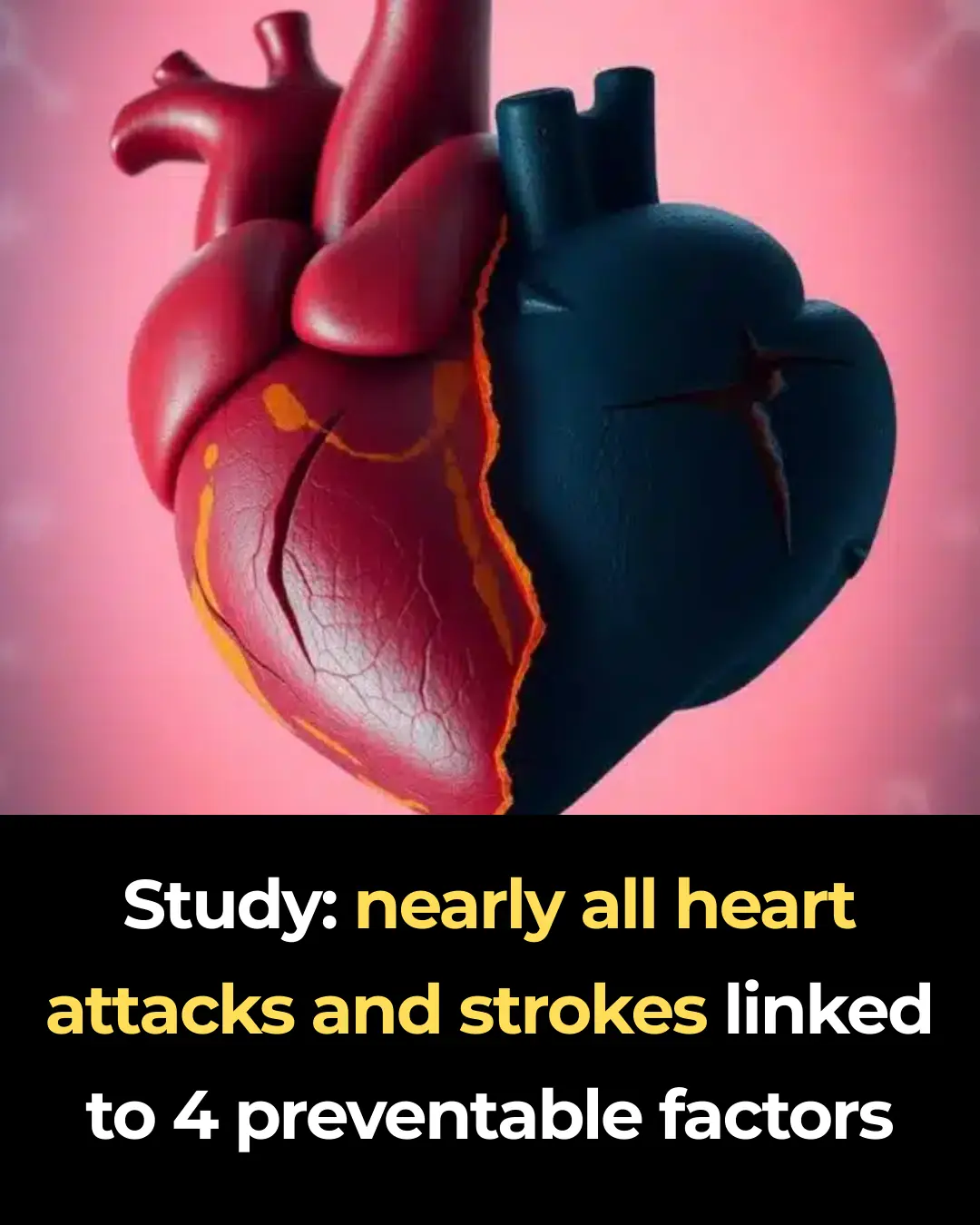
Aspirin, a small pill with a monumental impact, saves an estimated 100,000 lives each year by proactively preventing the blood clots that are the precursors to devastating heart attacks and strokes. While its power is undeniable, recent shifts in major medical guidelines have introduced significant confusion regarding its appropriate usage. This article aims to clarify the science behind aspirin, outline the critical distinctions in its application, and explore both prescribed and natural alternatives for comprehensive cardiovascular health, drawing upon established medical expertise.
Aspirin effectively prevents platelet aggregation (blood clots), drastically lowering the risk of acute cardiovascular events.
Current medical guidelines increasingly recommend aspirin use primarily for secondary prevention—individuals with existing heart issues or confirmed plaque—rather than universal primary prevention.
For specific conditions like Atrial Fibrillation (AFib), aspirin is deemed ineffective for stroke prevention, necessitating alternative anticoagulant therapies.
While natural anti-platelet and anti-inflammatory alternatives exist, their efficacy is generally less potent and reliable than prescribed medications for established heart disease.
Aspirin, chemically known as acetylsalicylic acid, is a pharmaceutical triumph with roots stretching back to 1897, when chemist Felix Hoffman at Bayer synthesized a more palatable and effective pain reliever derived from willow bark. The natural salicylates in willow bark had been used for centuries to combat pain and inflammation.
Aspirin's life-saving ability stems from its unique action as an anti-platelet agent. It works by irreversibly inhibiting the enzyme cyclooxygenase (COX) in platelets. This inhibition prevents platelets—tiny blood cells critical for clotting—from releasing substances that cause them to become sticky and clump together. This inhibition of platelet activation is crucial because it interrupts the formation of harmful thrombi (clots) that can obstruct blood flow in narrowed arteries, leading directly to myocardial infarction (heart attack) or ischemic stroke. This mechanism is distinct from other classes of blood thinners, such as warfarin, which target clotting factors in the liver.
Despite its over-the-counter availability, aspirin is a powerful drug that carries measurable risks. The primary concern is its potential to cause bleeding, as its anti-clotting mechanism can be a double-edged sword. Common side effects include:
Gastrointestinal distress and stomach ulcers.
Significant gastrointestinal bleeding.
Rare but critical bleeding events, such as hemorrhagic stroke (bleeding in the brain).
Allergic reactions.
The risk of major bleeding, especially in older adults without existing heart disease, has been the central reason for the conservative shift in modern medical recommendations.
In 2022, the U.S. Preventive Services Task Force (USPSTF) delivered updated guidelines that underscored a major paradigm shift. The previous broad recommendation for aspirin in adults aged 60 and older for general prevention has been retired. The focus is now sharply on individuals with existing cardiovascular disease (CVD) or confirmed evidence of arterial plaque.
Understanding these two terms is paramount for both patients and clinicians:
Primary Prevention: The use of aspirin in individuals who have no prior history of a heart attack, stroke, or clinically confirmed heart disease. For this group, the risk of bleeding often outweighs the potential benefit of preventing a first-time event.
Secondary Prevention: The use of aspirin in individuals after they have experienced a cardiovascular event or have clear, demonstrable signs of heart disease (e.g., confirmed plaque on imaging). In this high-risk group, the benefit of preventing a recurrence drastically outweighs the bleeding risk.
The new guidelines are clear: aspirin is now primarily advocated for secondary prevention, offering maximum benefit to those who have already shown vulnerability to heart disease.
According to experts like Dr. Ford Brewer, if you have any objective evidence of cardiovascular plaque, regardless of your age, you should discuss initiating a daily low-dose or "baby" aspirin (81 mg) regimen with your healthcare provider, assuming no allergies or significant bleeding history. The presence of plaque is a potent indicator of active disease, making aspirin an essential defensive measure.
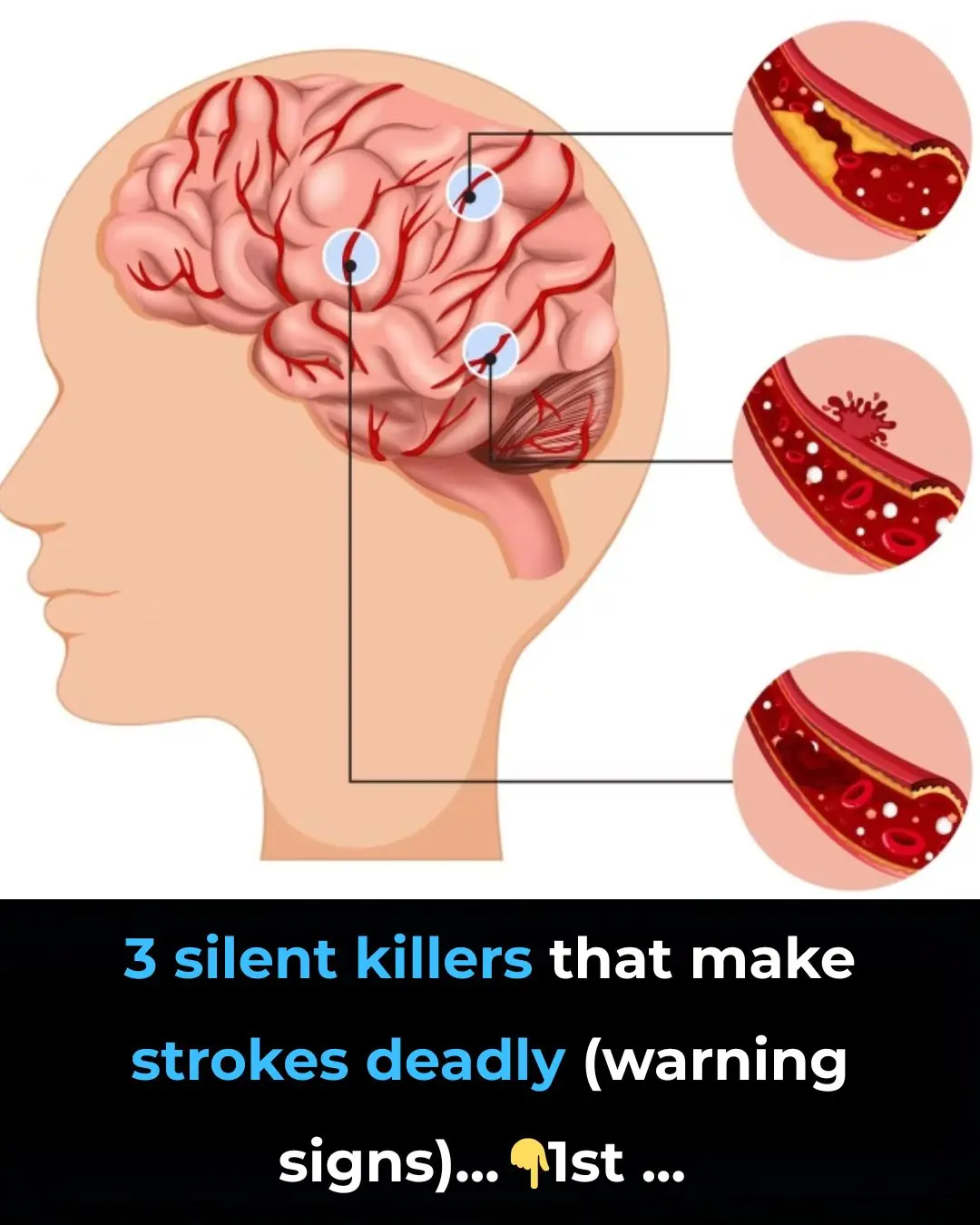
Plaque is frequently misunderstood as a simple, waxy blockage. In reality, it is a complex, dynamic accumulation composed of cholesterol, fatty substances, cellular waste products, calcium, and inflammatory cells. It is this inflammation within the arterial wall that makes the plaque unstable and prone to rupture. When unstable plaque ruptures, it is the inflammatory contents that violently trigger the platelet aggregation and clot formation, leading to an acute cardiovascular event. Crucially, a dangerous plaque does not need to cause a 50% blockage to rupture; even a small, highly inflamed plaque can be lethal.
A key scenario where aspirin is specifically ineffective is in the prevention of stroke associated with Atrial Fibrillation (AFib). AFib is an arrhythmia where the heart's upper chambers (atria) quiver inefficiently. This chaotic motion causes blood to pool and form clots.
The strokes associated with AFib are caused by clots forming in the heart itself, not typically by the platelet-driven clots that aspirin targets. Therefore, AFib-related strokes require stronger anticoagulant medications, such as NOACs (Novel Oral Anticoagulants) like Xarelto or Eliquis. Individuals with AFib must prioritize consultation with their cardiologist for the appropriate and effective anti-clotting strategy, as relying on aspirin alone can be tragically inadequate.
While no natural substance can reliably replace the potent, measured efficacy of aspirin or prescribed anticoagulants for high-risk patients, several natural options possess anti-platelet and anti-inflammatory properties that can support overall heart health:
Fish Oil (Omega-3 Fatty Acids): Known to reduce platelet stickiness and lower overall inflammation.
Ginger and Garlic: Both have documented anti-platelet and fibrinolytic properties that can help thin the blood naturally.
Turmeric (Curcumin): A powerful anti-inflammatory agent that addresses the root cause of plaque instability.
These natural supplements are best utilized as adjunctive support within a broader healthy lifestyle, never as replacements for critical prescribed medical treatments.
Ultimately, while medication is crucial for managing existing disease, lifestyle choices remain the most powerful preventive measure. A comprehensive approach to heart health must include:
Maintaining a healthy weight.
Adopting a balanced, anti-inflammatory diet (rich in fruits, vegetables, and whole grains).
Engaging in regular aerobic and resistance exercise.
Aggressively managing blood pressure, cholesterol, and blood sugar levels.
Aspirin remains a potent, life-saving medication, but its use must be guided by personalized medical advice and current clinical evidence. It is not a universal prophylactic. Understanding the distinction between primary and secondary prevention, recognizing the signs of plaque, and knowing when stronger medications are necessary (such as with AFib) are vital steps for ensuring optimal cardiovascular health. When in doubt, always consult a healthcare professional to tailor a preventative and treatment plan based on your unique health profile and risk factors. Making informed choices is the bedrock of a healthier, longer life.