Study: nearly all heart attacks and strokes linked to 4 preventable factors

A groundbreaking study has revealed that an overwhelming majority of heart attacks, strokes, and heart failure cases are linked to at least one of four major, yet preventable, risk factors. This research underscores the critical importance of proactive health management and early detection in combating cardiovascular diseases, which remain a leading cause of death globally.
Key Takeaways
- Over 99% of individuals experiencing heart attacks, strokes, or heart failure had at least one major cardiovascular risk factor above healthy levels prior to their event.
- High blood pressure was identified as the most prevalent risk factor across the studied populations.
- These findings emphasize that cardiovascular events are largely preventable through lifestyle modifications and consistent health monitoring.
The Four Major Risk Factors
A comprehensive study analyzing data from millions of adults in South Korea and the United States has identified four primary risk factors that contribute to cardiovascular disease. These factors, when not within ideal healthy ranges, are present in nearly all cases of heart attack, stroke, and heart failure. The four key risk factors are:
- High blood pressure
- High cholesterol
- High fasting glucose (or diabetes)
- Tobacco use
The study defined “non-ideal” levels based on the American Heart Association’s ideal cardiovascular health definitions. For instance, blood pressure at or above 120/80 mm Hg, fasting glucose at or above 100 mg/dL, total cholesterol of 200 mg/dL or over, or any past or current tobacco use were considered suboptimal.
High Blood Pressure: The Biggest Culprit
Among the four identified risk factors, high blood pressure emerged as the most common issue. The research indicated that over 95% of South Korean participants and more than 93% of U.S. participants had elevated blood pressure before experiencing a cardiovascular event. Experts highlight that high blood pressure is often asymptomatic, making regular monitoring and management crucial.
Prevention is Key
These findings challenge the notion that heart disease strikes randomly or without warning. The study strongly suggests that cardiovascular events are largely preventable by addressing these modifiable risk factors. Even individuals considered to be at lower risk, such as women under 60, frequently had at least one non-optimal risk factor before experiencing a stroke or heart failure.
Cardiologists emphasize the importance of aggressive screening and management of these risk factors. They advocate for patients to ensure these four factors are assessed at every medical visit and for prompt treatment of even slight elevations. Implementing known prevention strategies and promoting public health screenings are seen as vital next steps in reducing the burden of cardiovascular disease.
News in the same category


The Hidden Causes of Bloating — And the Fastest Way to Fix It Naturally

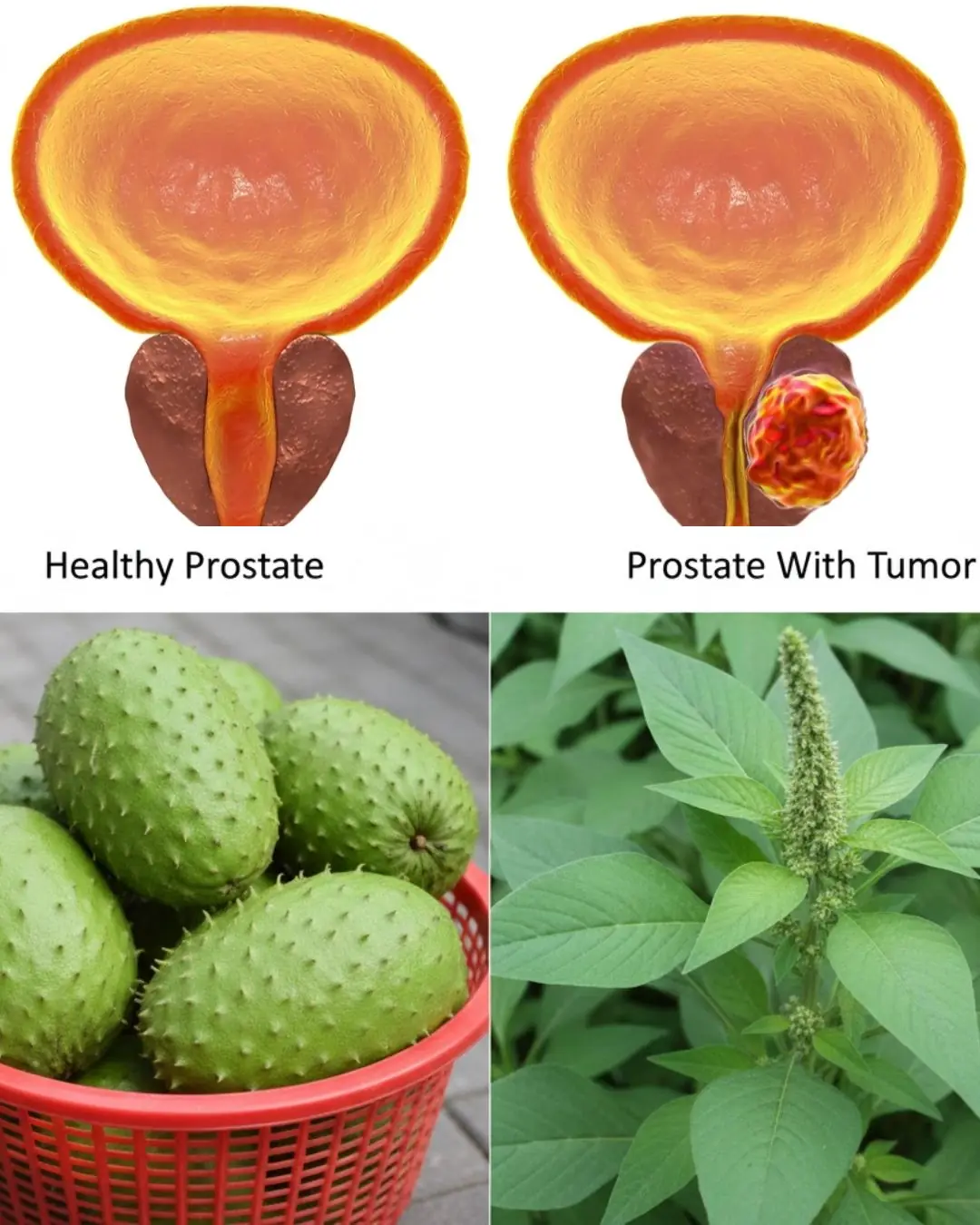
No Man Should Die From Prostate Cancer: The Natural Remedy Every Man Should Know

⚠️ Toxic If Improperly Prepared: The Hidden Risk of Cassava

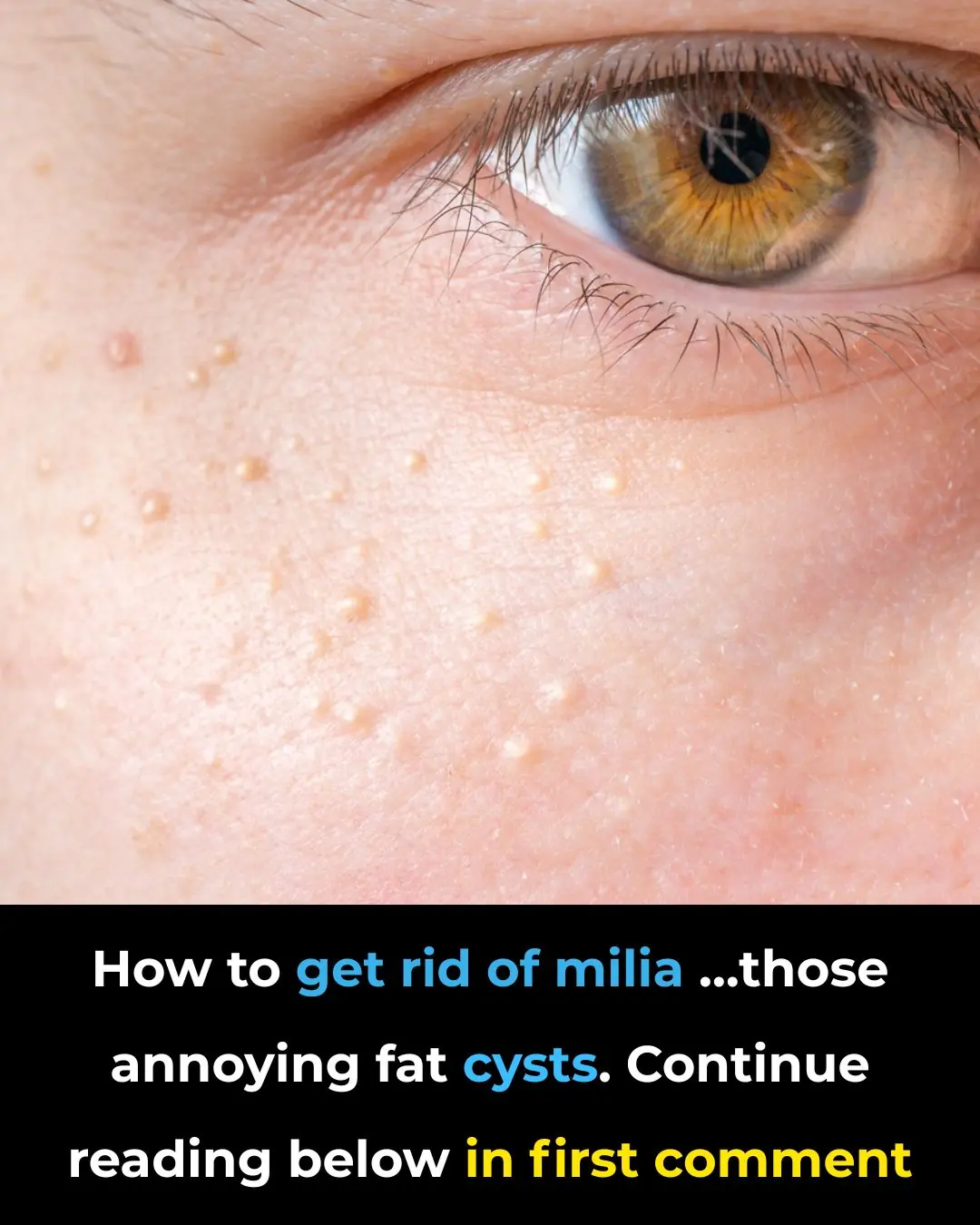
How to Get Rid of Milia

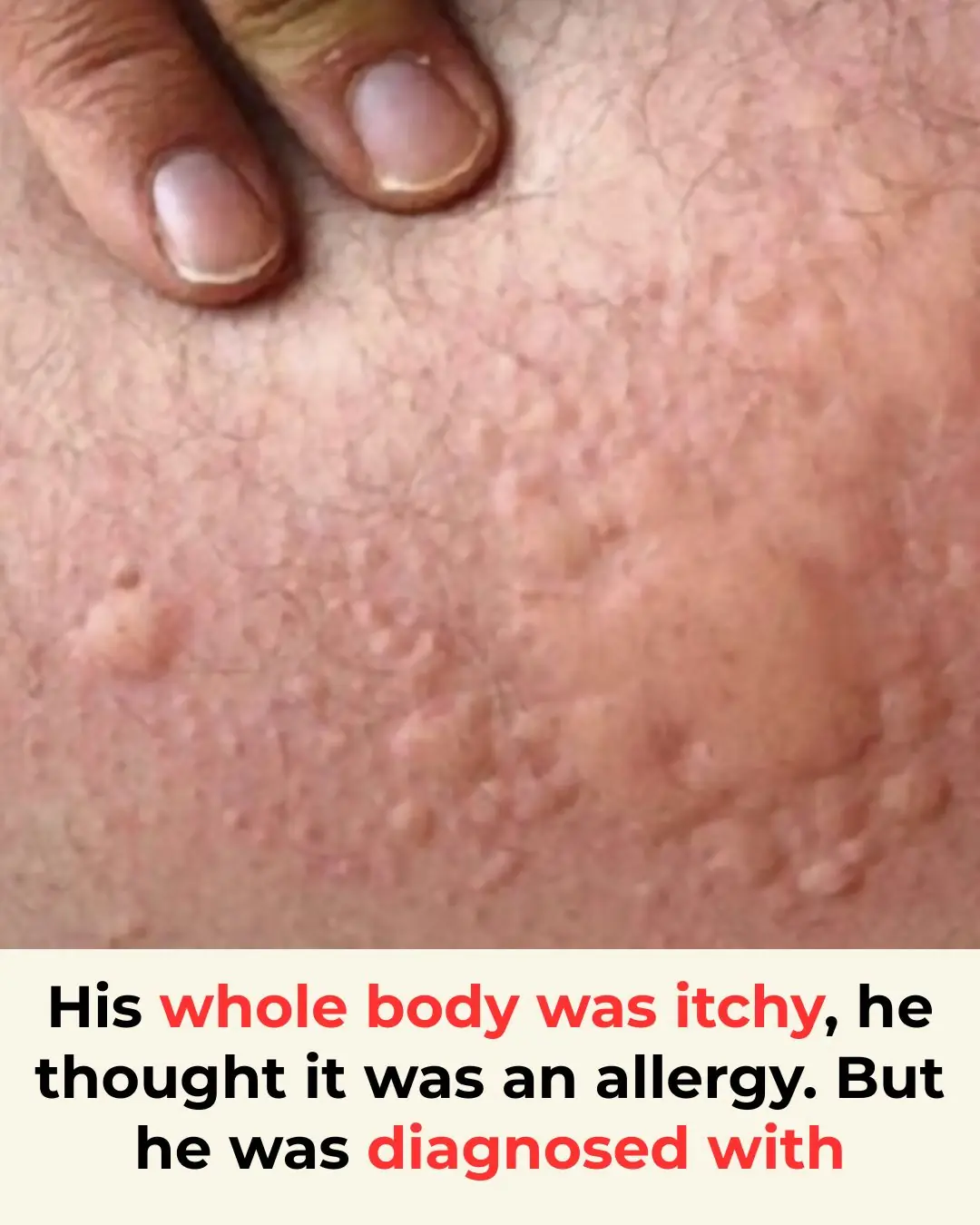
His whole body was itchy, he thought it was an allergy but then he was diagnosed

Panic Attacks And Anxiety Linked To Low Vitamin B6 And Iron levels

10 Immediate Ways To Detox Your Lymph Nodes And Clear Out Toxins That Make You Sick

The #1 seed flour people over 60 use for steady energy and strength

Top 10 Foods to Control Diabetes

How aspirin can help unclog arteries and prevent heart issues

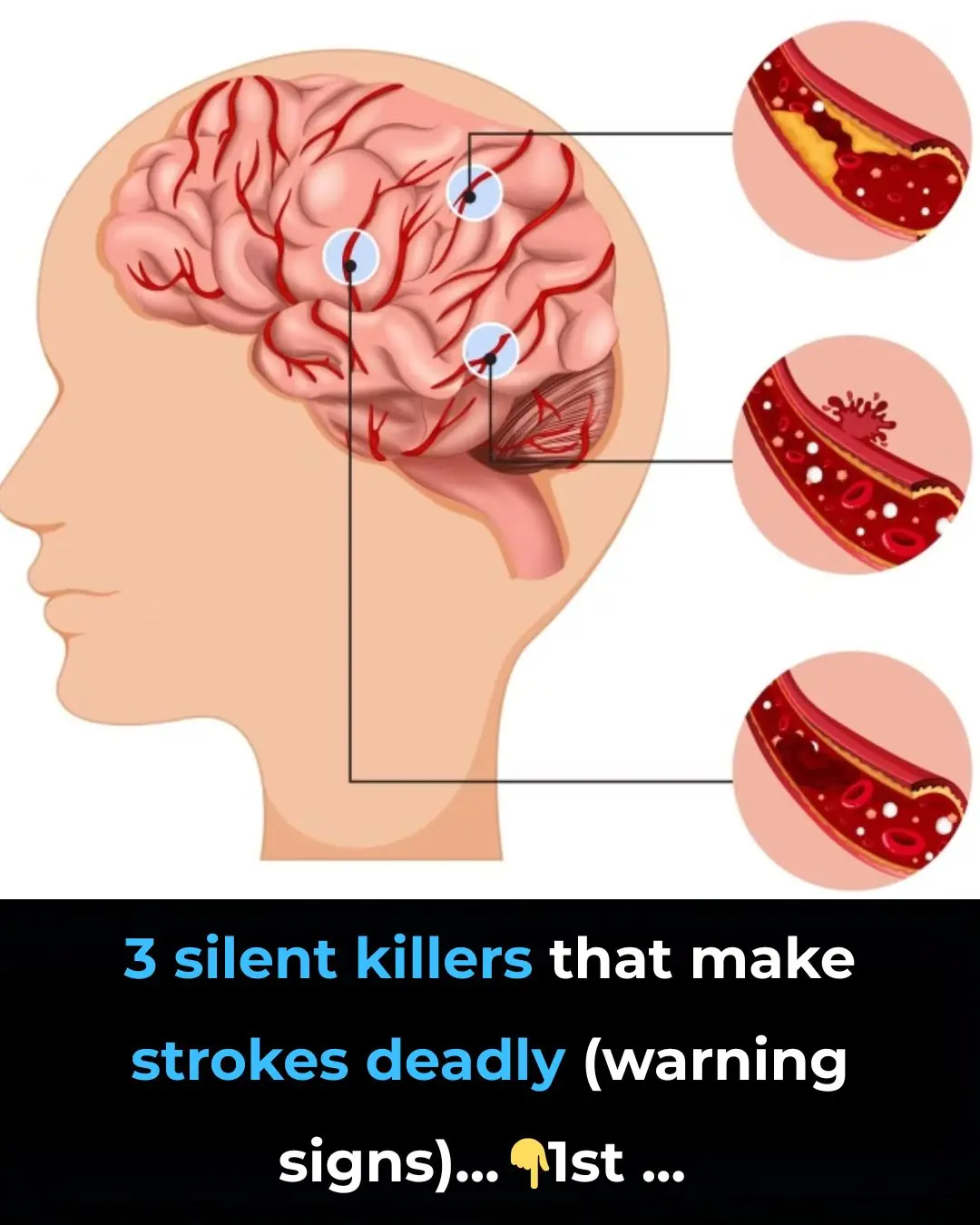
3 silent killers that make strokes deadly (warning signs)

17 worst foods for diabetics

Forget calcium — doctors say this is the #1 exercise for the strongest bones

Women over 40 are loving this ‘happy hormone’ food — here’s why it works

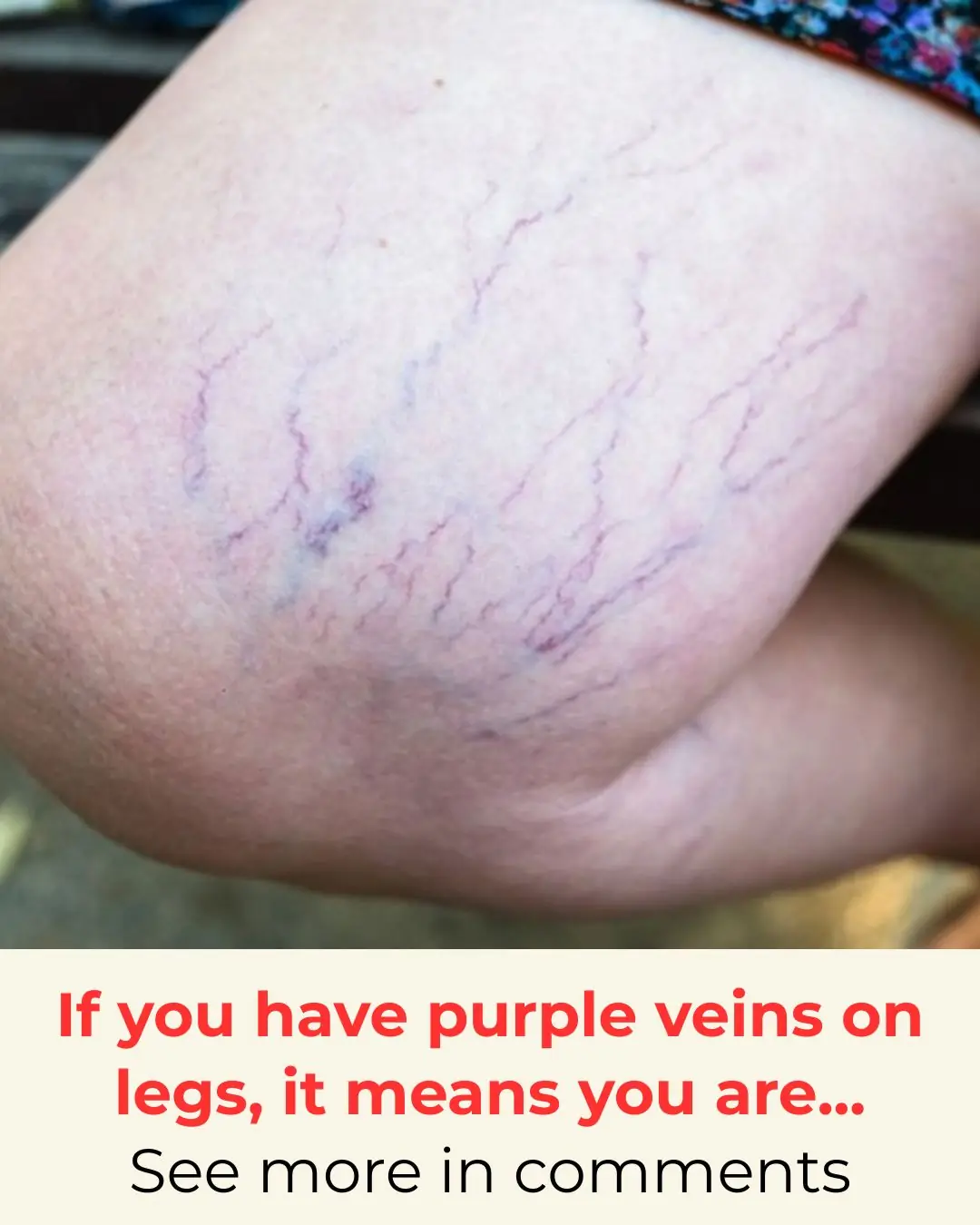
Purple Veins on Your Legs

Foods That Are Beneficial For Strengthening Muscles In Old Age

Symptoms of Vitamin B12 Deficiency

Stretch Your Ring Finger With Your Thumb
News Post

8 Warning Signs of Ovarian Cancer Women Should Never Ignore

The Hidden Causes of Bloating — And the Fastest Way to Fix It Naturally

No Man Should Die From Prostate Cancer: The Natural Remedy Every Man Should Know

Jessica Cox: The World’s First Licensed Armless Pilot and Her Journey to Inspire the Impossible

How Carmel, Indiana Transformed Its Streets with Roundabouts, Boosting Safety, Reducing Costs, and Cutting Emissions

China Discovers the First Plant Capable of Forming Rare-Earth Minerals Inside Its Tissues

James Webb Telescope Captures Stunning Einstein Ring, Unlocking Secrets of the Early Universe

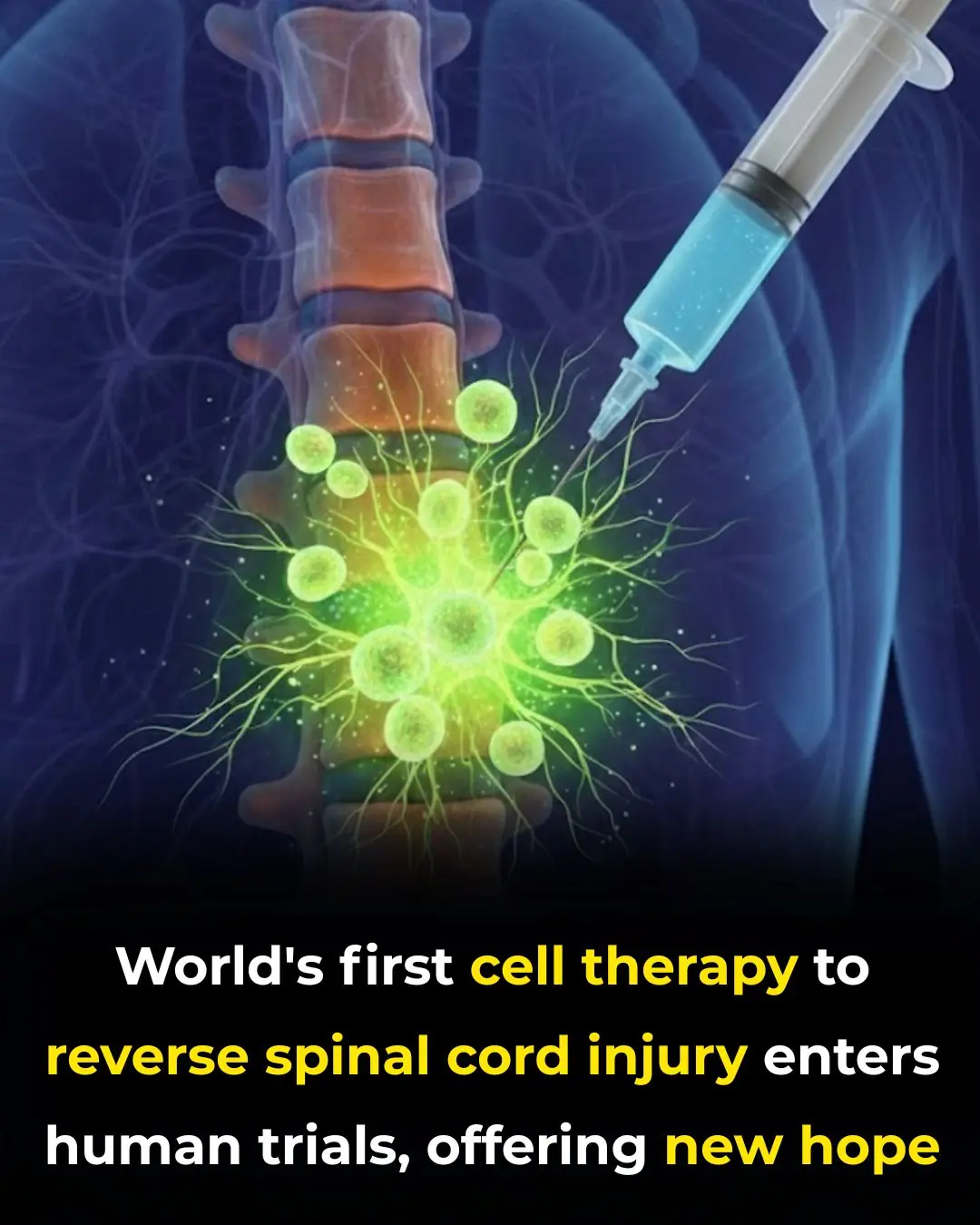
Groundbreaking Cell Therapy Offers New Hope for Spinal Cord Injury Recovery

A Soldier’s Heartfelt Moment: A Birth Across Distance and Strangers’ Applause

Japan's Groundbreaking Tsunami Wall Combines Engineering and Environmental Resilience

Revolutionary Contact Lenses with Night Vision Unveiled by Japanese Researchers

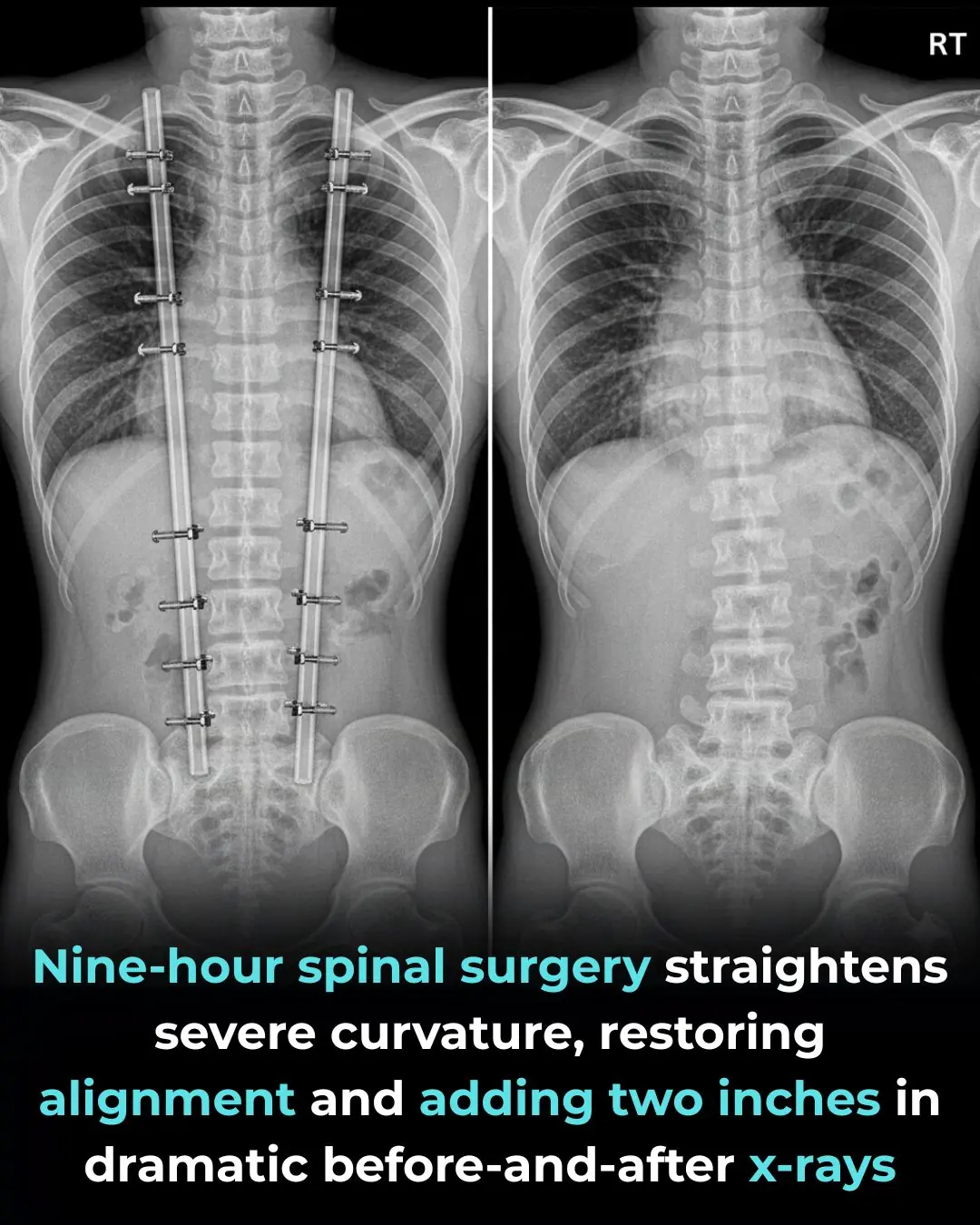
A Life-Changing Spinal Surgery Restores Health and Confidence

The Lost Human Species: A Glimpse Into Our Shared Past

The Swedish Oak Forest: A Symbol of Foresight and the Unpredictability of Progress

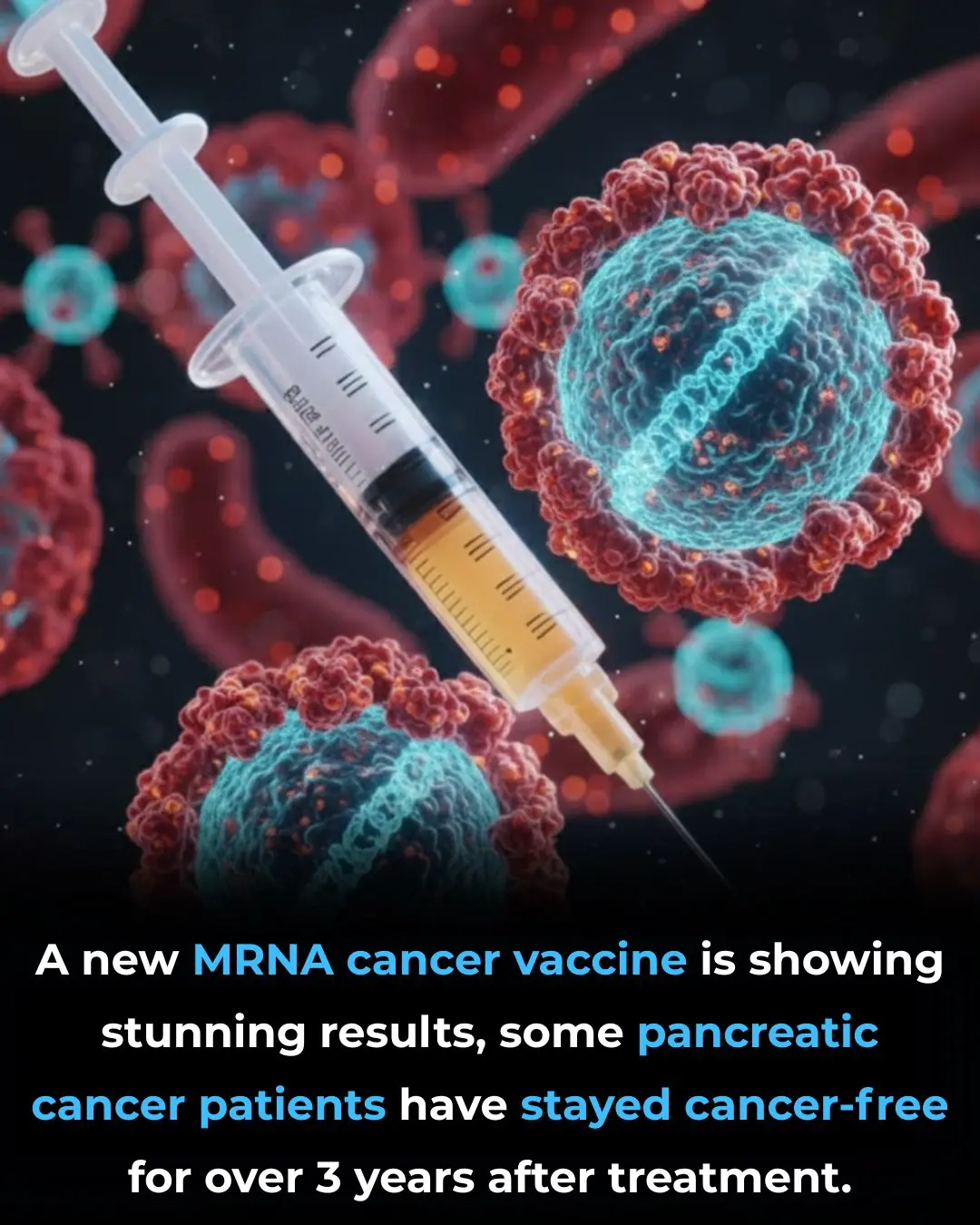
Promising New mRNA Vaccine Shows Potential to Combat Pancreatic Cancer

⚠️ Toxic If Improperly Prepared: The Hidden Risk of Cassava

How to Get Rid of Milia

His whole body was itchy, he thought it was an allergy but then he was diagnosed

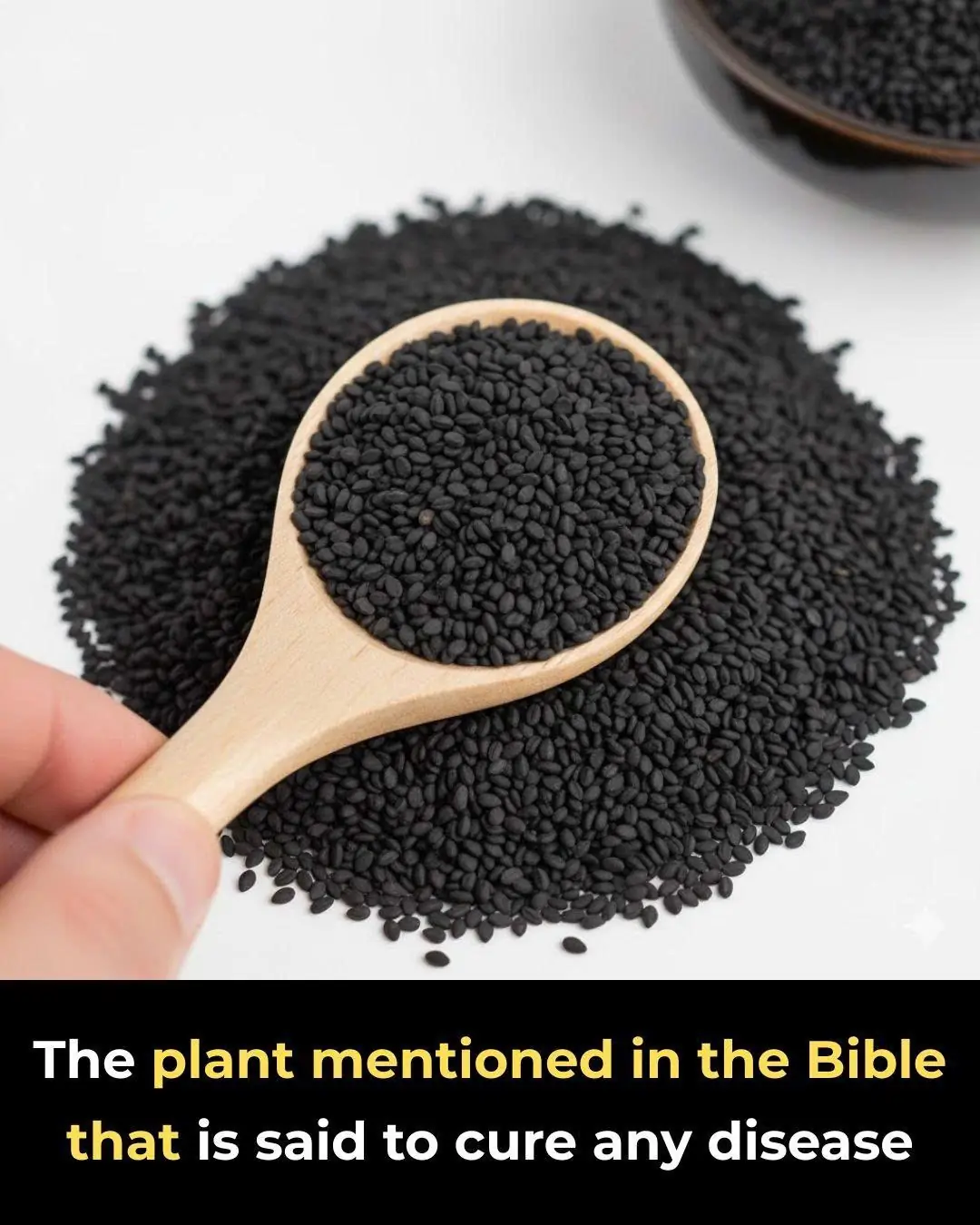
Plant in the Bible Said to Heal All Ailments