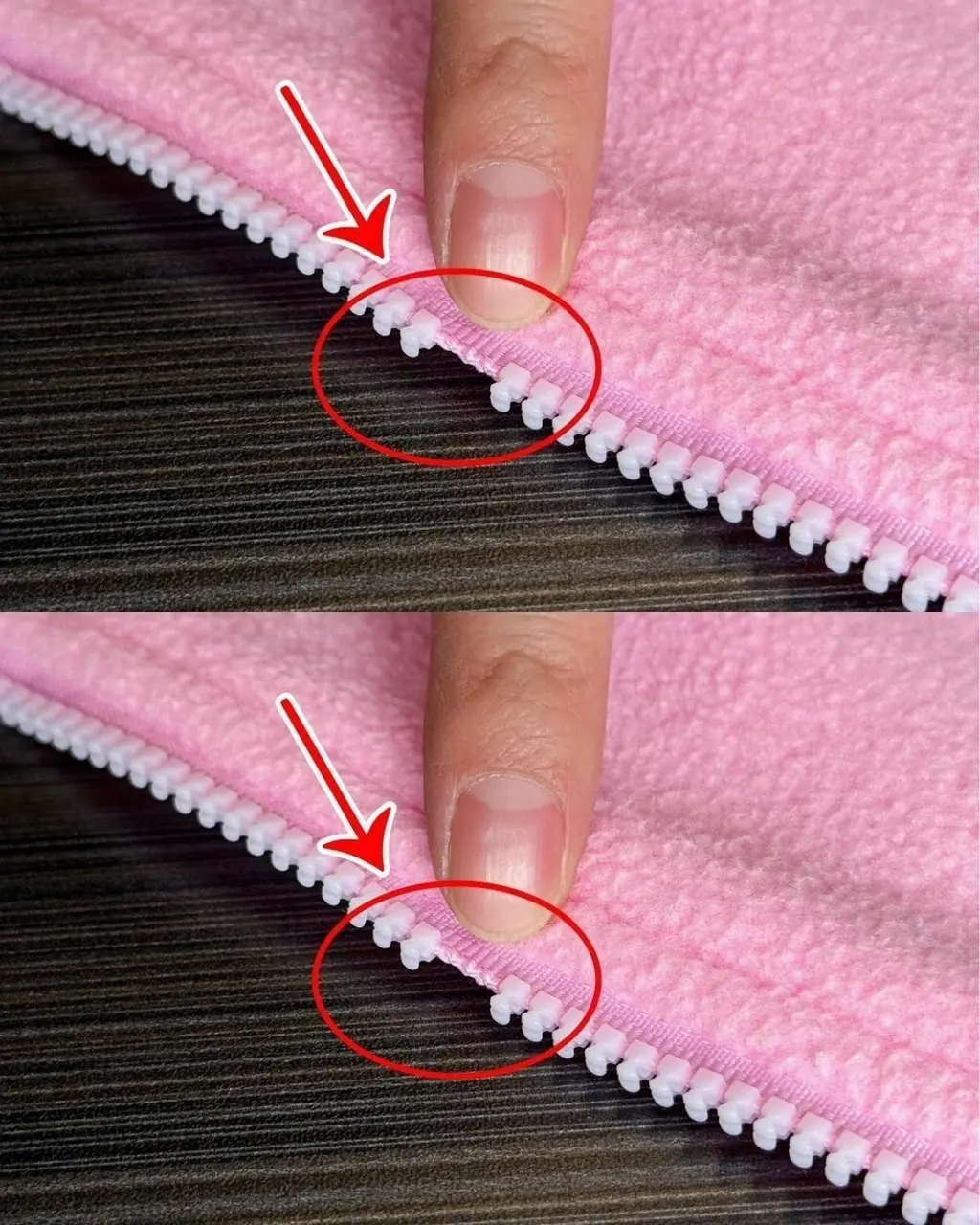
How to Fix a Broken Zipper in Under a Minute
Tips 26/04/2026 09:05
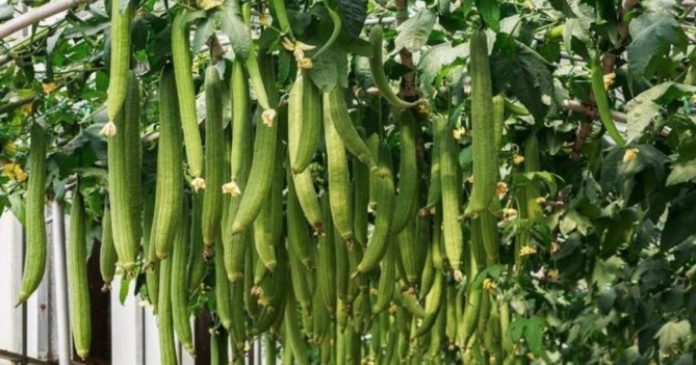
Luffa (loofah) is a familiar ingredient in many Vietnamese family meals. It can be boiled, stir-fried, cooked in soups, or used in various nutritious dishes. When the fruit becomes old and fibrous, it can even be dried and used as a natural bath sponge or a biodegradable scrubber for washing dishes.
Luffa is usually planted in spring, and nowadays many households grow it in pots, foam boxes, balconies, or rooftop gardens. This plant is generally easy to grow and care for. However, many gardeners encounter a common issue: the leaves grow lush and vibrant, but the plant bears very few fruits.
If you face this problem, try the following simple but highly effective technique to stimulate your luffa plant to produce more fruits.
Use a sharp knife to pierce the stem vertically, about 10 cm above the root. After that, insert a small piece of tile or thin stick into the cut to keep it slightly open.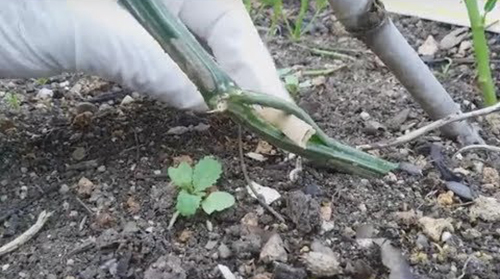
After around 1–2 weeks, you will begin to notice changes in the plant.
Agricultural experts explain that this method helps balance the growth between the roots and the vegetative parts (stems and leaves). When the plant no longer focuses excessively on leaf production, it directs more nutrients toward flower and fruit development.
This technique is not only effective for luffa but can also be applied to gourds and pumpkins.
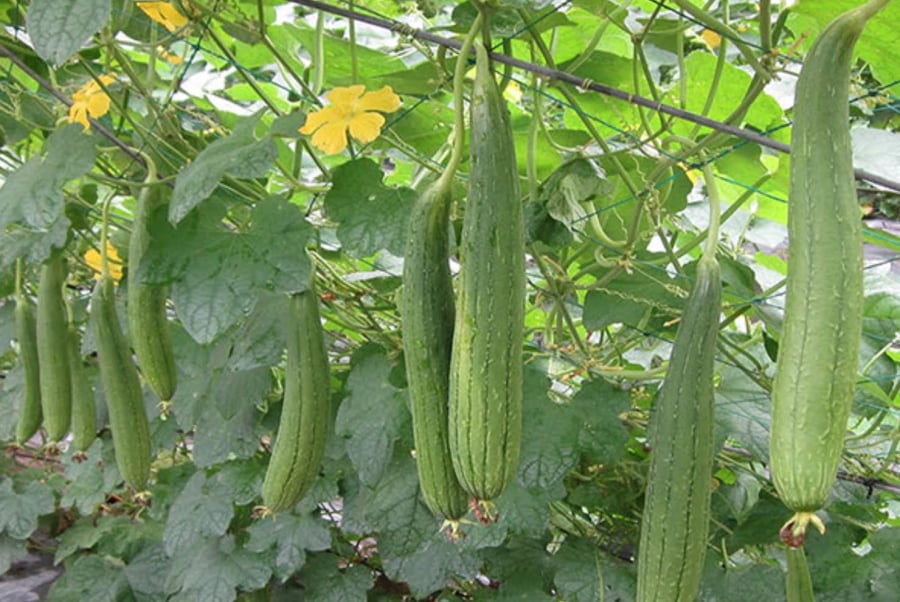
As with any crop, choosing the right seed variety is crucial. Different varieties offer different productivity levels. Older varieties often produce fewer fruits, even if you take excellent care of them.
For higher yields, consider selecting new hybrid or high-performing varieties that are known for stable productivity and stronger disease resistance. This small step can significantly improve your harvest later.
Fertilizing plays a vital role in helping the plant grow strong and bear abundant fruit. Incorrect or poorly timed fertilization can cause the plant to grow plenty of leaves but very few fruits.
Before planting:
Dig a hole under the planting spot and add chicken manure, soybean residue, or pig manure. Cover it with a 5-cm layer of soil before planting seeds or seedlings. This prevents root burn and helps the roots develop healthily before absorbing nutrients.
Before flowering:
Mix potassium dihydrogen phosphate with micronutrient Boron. Dilute with water and spray once every 7 days, for a total of three applications. This significantly improves flower development and overall fruit quality.
After fruit set:
Apply diluted organic fertilizer or mixed fertilizer. Dig a shallow trench about 20 cm from the plant base, water with the diluted fertilizer, then cover with soil.
Stop applying nitrogen fertilizers 7–10 days before harvest to prevent excess chemical residue in the fruit.
(Additional note: Using organic compost or fermented kitchen waste can also improve soil structure and sustain long-term plant health.)
Luffa, gourds, and pumpkins have strong branching ability. If left unpruned, the plant becomes too dense, wasting nutrients on unnecessary vines.
Remove all side branches within the first 50 cm above the base to ensure the upper portion receives enough nutrients.
When the main vine climbs 2–3 meters onto the trellis, pinch the growing tip. This encourages the plant to produce more lateral branches, which typically bear more female flowers—the flowers that turn into fruits.
The tips of the new side branches can be left to grow naturally. This promotes better nutrient distribution for flowering and fruiting.
(Extra advice: Regularly remove old, yellowing leaves to improve air circulation and reduce the risk of fungal diseases. Healthy foliage helps the plant photosynthesize more efficiently, indirectly boosting fruit production.)
By applying the simple stem-piercing technique alongside proper variety selection, strategic fertilization, and consistent pruning, your luffa plants can produce significantly more fruits. Even gardeners growing luffa in small balcony or rooftop spaces can achieve abundant harvests with the right care.