McDermitt Caldera in Oregon Emerges as a Potential Lithium Powerhouse, Sparking Debate
The McDermitt Caldera, a vast volcanic formation straddling southeastern Oregon and northern Nevada, has recently drawn national attention for what could be one of the largest lithium deposits ever identified in the United States. As demand for lithium surges worldwide, the discovery is being hailed by some as a strategic opportunity to strengthen domestic battery production. At the same time, it has ignited intense debate among local residents, environmental advocates, and Indigenous communities concerned about long-term ecological and cultural impacts.
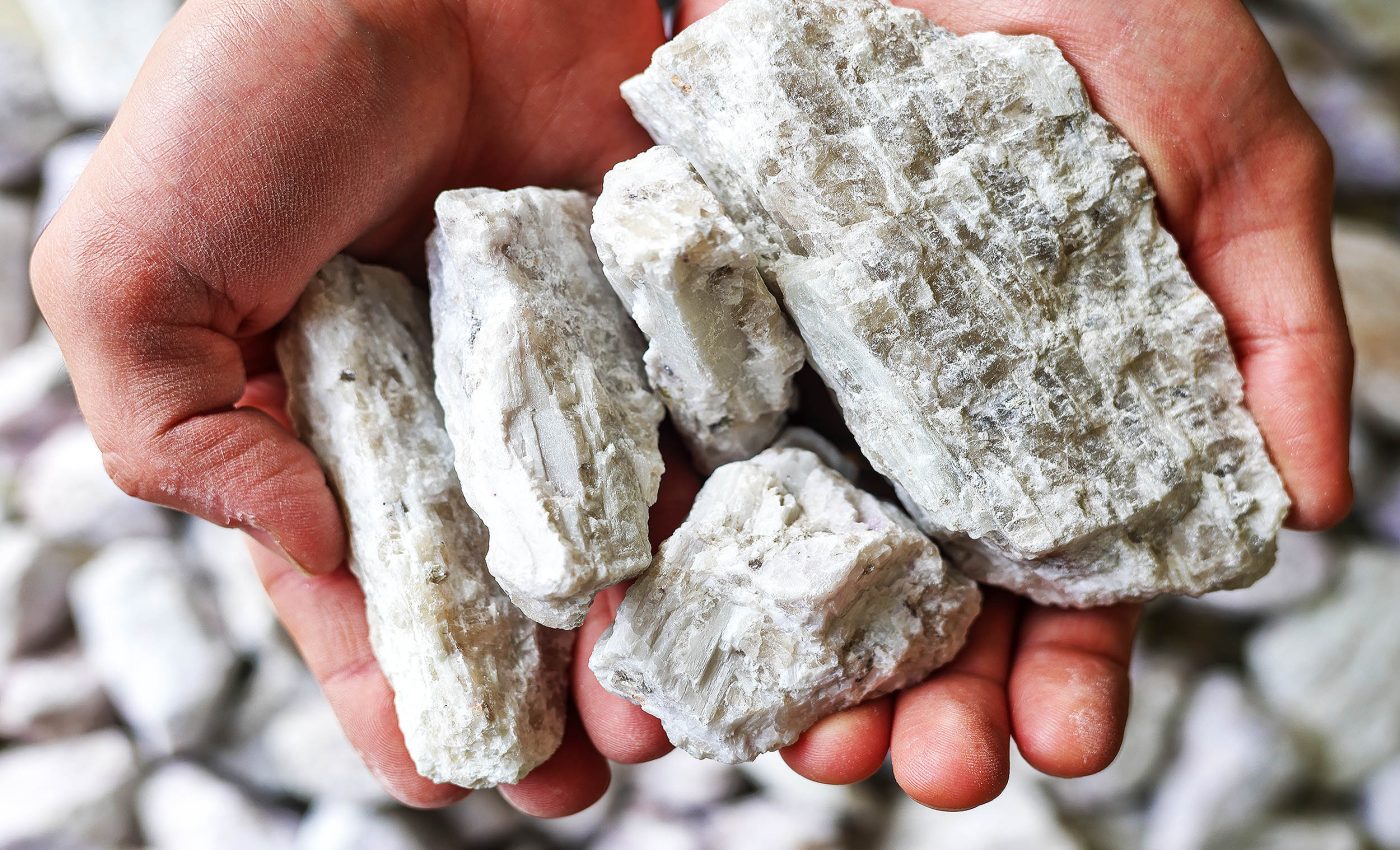
The excitement surrounding the caldera stems from estimates valuing the lithium deposit at roughly $1.5 trillion. According to some geologists, the ancient volcanic sediments beneath the region may contain between 20 and 40 million metric tons of lithium, a scale that could place the U.S. among the world’s leading suppliers if extraction proves viable.
A discovery that exposes competing priorities
“This feature is 16 million years old, and we’re making decisions in a matter of years,” said Sammy Castonguay, a geologist at Treasure Valley Community College. His remark has resonated across the region, highlighting concerns that rapid development could permanently reshape Oregon’s high desert landscape.
Industry supporters argue that tapping into the McDermitt deposit could help meet the rapidly growing demand for lithium-ion batteries used in electric vehicles, renewable energy storage systems, and consumer electronics. From their perspective, domestic sourcing could reduce reliance on overseas supply chains and strengthen national energy security.
However, residents living near the caldera worry that large-scale extraction could disrupt an ecosystem that supports pronghorn antelope, sage-grouse, and other sensitive species. The high desert, while seemingly sparse, is finely balanced and vulnerable to industrial disturbance.
Environmental and regulatory challenges
A proposal from HiTech Minerals Inc. seeks approval to build new access roads and drill hundreds of exploratory wells in Malheur County to assess the full extent of the lithium resource. The plan has drawn scrutiny, particularly after the Bureau of Land Management (BLM) provided only a limited window for public comment.
Environmental groups argue that such a short review period is inadequate for evaluating changes that could last generations. The Oregon Chapter of the Sierra Club has stated that while it supports the transition to cleaner energy, lithium drilling should not come at the cost of fragile habitats and biodiversity.
Some activists see parallels to similar disputes in Nevada, where lithium projects have faced resistance over concerns about water depletion and contamination. These comparisons have fueled fears that Oregon could face the same challenges if development proceeds too quickly.
Economic hopes in a struggling region
Malheur County is among the poorest counties in Oregon, and for some residents, the lithium project represents a rare chance for economic revival. New jobs, infrastructure investment, and tax revenue could significantly improve local living conditions.
“We need to do this the Oregon way – with full accountability and shared benefits,” said Greg Smith, director of economic development for Malheur County. His statement reflects a broader desire to ensure that economic gains do not bypass the very communities most affected by mining activity.
Why lithium has become so valuable
The global push toward cleaner transportation and renewable energy has dramatically increased demand for lithium. Its light weight and exceptional electrochemical properties make it indispensable in modern battery technology. As automakers rapidly transition to electric vehicles, securing a stable lithium supply has become a top priority.
However, lithium mining often involves large-scale excavation, chemical processing, and significant water use. Early studies and company statements have acknowledged concerns about dust pollution, increased vehicle emissions, and the potential leakage of industrial byproducts into soil and water systems.
While economists highlight lithium’s high market value as a catalyst for rural development, critics caution that environmental costs may outweigh short-term financial gains if not carefully managed.
Unique volcanic origins and technical hurdles
The McDermitt Caldera was formed by massive volcanic eruptions millions of years ago, leaving behind mineral-rich clay deposits across a broad basin. Over time, the area evolved into a semi-arid environment that now serves as an important corridor for migrating wildlife.
Scientific studies have found unusually high concentrations of lithium within these clay sediments. Analysts note that if extraction methods are refined and proven efficient, the deposit could significantly alter the global lithium market.
Unlike the salt brine lithium operations common in South America, claystone deposits require more complex processing techniques, often involving acid leaching. This has raised additional questions about waste disposal, water safety, and long-term environmental monitoring.
Wildlife, water, and cultural concerns
Habitat loss has already placed pressure on species such as the sage-grouse, and conservationists fear that further land disturbance could accelerate their decline. Additionally, the region holds deep cultural and spiritual significance for several Indigenous tribes.
Tribal leaders have previously opposed lithium projects, citing threats to sacred sites and traditional practices tied to the land. As interest in the McDermitt deposit grows, Indigenous groups are calling for meaningful consultation and respect for cultural heritage.
Some environmental organizations also warn that groundwater levels could be affected by extensive drilling, referencing past high-desert mining projects. Industry representatives counter that modern technology and strict oversight can reduce many of these risks, though skepticism remains.
An uncertain path forward
Experts agree that the McDermitt Caldera could give the United States a competitive edge in battery supply at a critical moment in the global energy transition. Yet many argue that short-term profits should not overshadow the ecological and historical value of Oregon’s high desert.
Mining companies maintain that they intend to meet federal standards and engage with local communities, but disagreements persist over how transparent and inclusive that process truly is. Some environmental groups suggest investing more heavily in battery recycling and alternative materials to ease pressure on new mining sites.
As proposals move forward, investors remain confident that lithium demand will continue to rise. Local communities, however, want assurances that they will not be left dealing with environmental damage once the initial excitement fades.
The study examining the McDermitt Caldera lithium deposit was published in the journal Minerals.