Preventing Stroke At Any Age: 3 “Don’ts” After Meals—And 4 “Don’ts” Before Bed
Health 22/07/2026 20:55
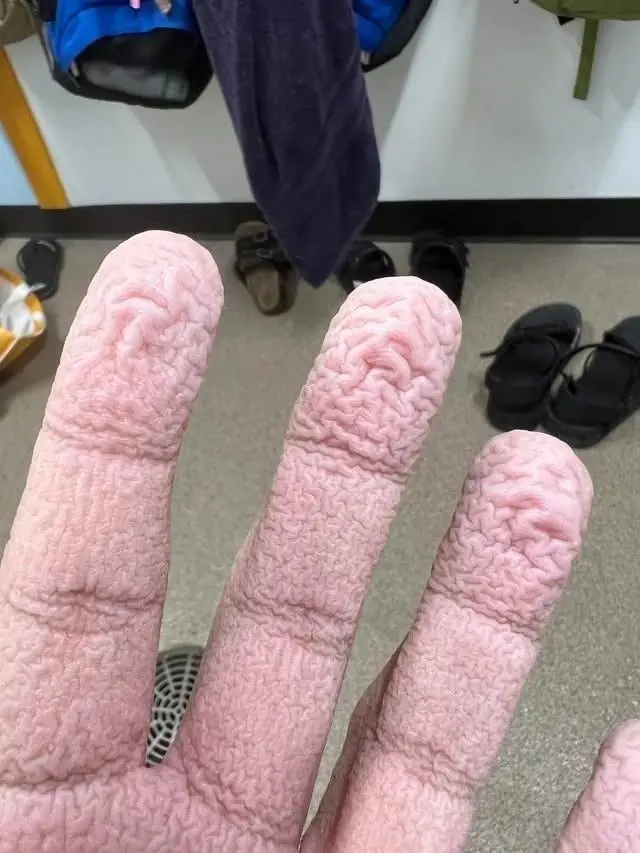
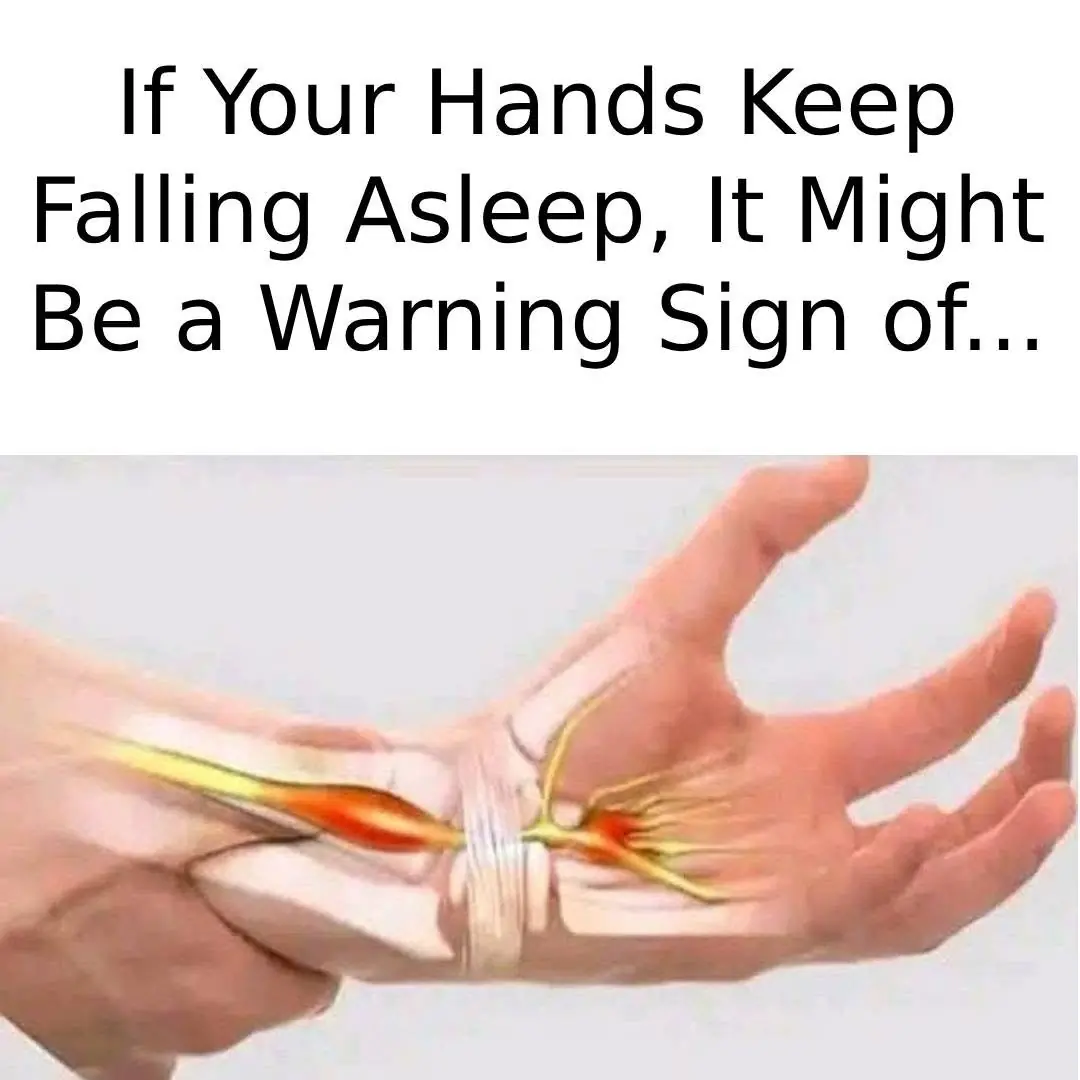
Peripheral neuropathy affects millions of people worldwide and can significantly impact daily life. The condition occurs when nerves outside the brain and spinal cord become damaged, disrupting communication between the nervous system and the rest of the body.
People living with peripheral neuropathy may experience symptoms such as numbness, tingling, burning sensations, weakness, or pain - most commonly in the hands and feet. While treatment depends on the underlying cause, many individuals find that certain lifestyle adjustments and home-based strategies can help improve comfort and support overall nerve health.
Although no home remedy can cure peripheral neuropathy, combining medical care with healthy habits may help manage symptoms and improve quality of life.
Here are six approaches that many healthcare professionals and patients consider helpful.
Peripheral nerves carry signals between the brain, spinal cord, muscles, skin, and internal organs.
Communication may be disrupted.
Tingling
Numbness
Burning sensations
Sharp pain
Muscle weakness
Loss of coordination
Increased sensitivity to touch
Symptoms often begin gradually and may worsen over time.
Many different conditions can contribute to nerve damage.
Diabetes
Vitamin deficiencies
Alcohol misuse
Autoimmune disorders
Certain infections
Kidney disease
Medication side effects
Physical injuries
Identifying the underlying cause is an important step in treatment.
Exercise is one of the most frequently recommended lifestyle strategies for people with neuropathy.
Physical activity supports:
Circulation
Muscle strength
Balance
Mobility
Regular movement may also help reduce stiffness and improve overall function.
Low-Impact Exercises
Walking
Swimming
Cycling
Water aerobics
Flexibility Exercises
Stretching
Gentle yoga
Balance Training
Tai chi
Stability exercises
Always consult a healthcare provider before starting a new exercise program.
For individuals with diabetic neuropathy, blood sugar control plays a critical role.
Persistently elevated blood glucose levels can damage nerves over time.
Slow progression
Improve overall health
Support nerve function
Following medical advice regarding diet, medications, and monitoring is essential.
Many neuropathy symptoms affect the feet.
Cuts
Blisters
Burns
Infections
Check Your Feet Every Day Look for:
Redness
Swelling
Injuries
Skin changes
Wear Comfortable Footwear Properly fitted shoes may help reduce pressure and injury risk.
Keep Feet Clean and Dry Good hygiene supports skin health.
Foot care is especially important for individuals with diabetes.
Nutrition plays a key role in nerve health.
Important Examples Include:
Vitamin B12
Vitamin B6
Folate
Vitamin D
Omega-3 fatty acids
Protein Sources
Fish
Poultry
Eggs
Legumes
Fruits and Vegetables
Berries
Leafy greens
Citrus fruits
Healthy Fats
Nuts
Seeds
Fatty fish
A balanced diet supports overall wellness and may help address nutritional deficiencies.
Chronic discomfort can interfere with sleep. At the same time, poor sleep may increase the perception of pain.
Quality sleep supports:
Nervous system function
Recovery processes
Emotional well-being
Maintain a Consistent Schedule Go to bed and wake up at similar times each day.
Limit Screen Exposure Before Bed Electronic devices may interfere with sleep quality.
Create a Comfortable Sleep Environment A cool, dark, and quiet room may support better rest.
Living with chronic symptoms can be emotionally challenging.
Pain perception
Sleep quality
Overall well-being
Deep Breathing Exercises Slow breathing may encourage relaxation.
Meditation Many people find mindfulness practices beneficial.
Gentle Massage Some individuals report temporary relief and relaxation.
Yoga and Tai Chi These activities combine movement with stress reduction.
Many people with neuropathy find warm baths soothing.
Muscle relaxation
Temporary comfort
Stress reduction
However, individuals with reduced sensation should check water temperature carefully to avoid burns.
Various supplements are marketed for nerve health.
Vitamin B12
Alpha-lipoic acid
Acetyl-L-carnitine
Supplements should only be used under the guidance of a healthcare professional. Not every supplement is appropriate for every individual.
Certain lifestyle factors may contribute to worsening symptoms.
Smoking: Smoking may impair circulation.
Excessive Alcohol Consumption: Alcohol can contribute to nerve damage.
Poor Blood Sugar Control: Especially important for people with diabetes.
Physical Inactivity: A sedentary lifestyle may worsen overall health and mobility.
Neuropathy symptoms should never be ignored.
New numbness
Progressive weakness
Loss of balance
Severe pain
Rapid symptom progression
Early diagnosis may improve treatment outcomes.
Myth 1: Neuropathy Only Affects Older Adults
People of various ages can develop neuropathy.
Myth 2: Numbness Is Harmless
Persistent numbness should be evaluated.
Myth 3: Home Remedies Can Cure Nerve Damage
Home strategies may support symptom management but are not cures.
Myth 4: Nothing Can Be Done
Many treatment options and supportive measures are available.
The most effective approach often combines:
Diagnosis
Monitoring
Treatment
Exercise
Nutrition
Sleep
Stress management
Working with healthcare professionals helps create a personalized plan.