UK’s Military Readiness Under Scrutiny: Could It Survive a Major Conflict with Russia?
Facts 12/12/2025 22:07
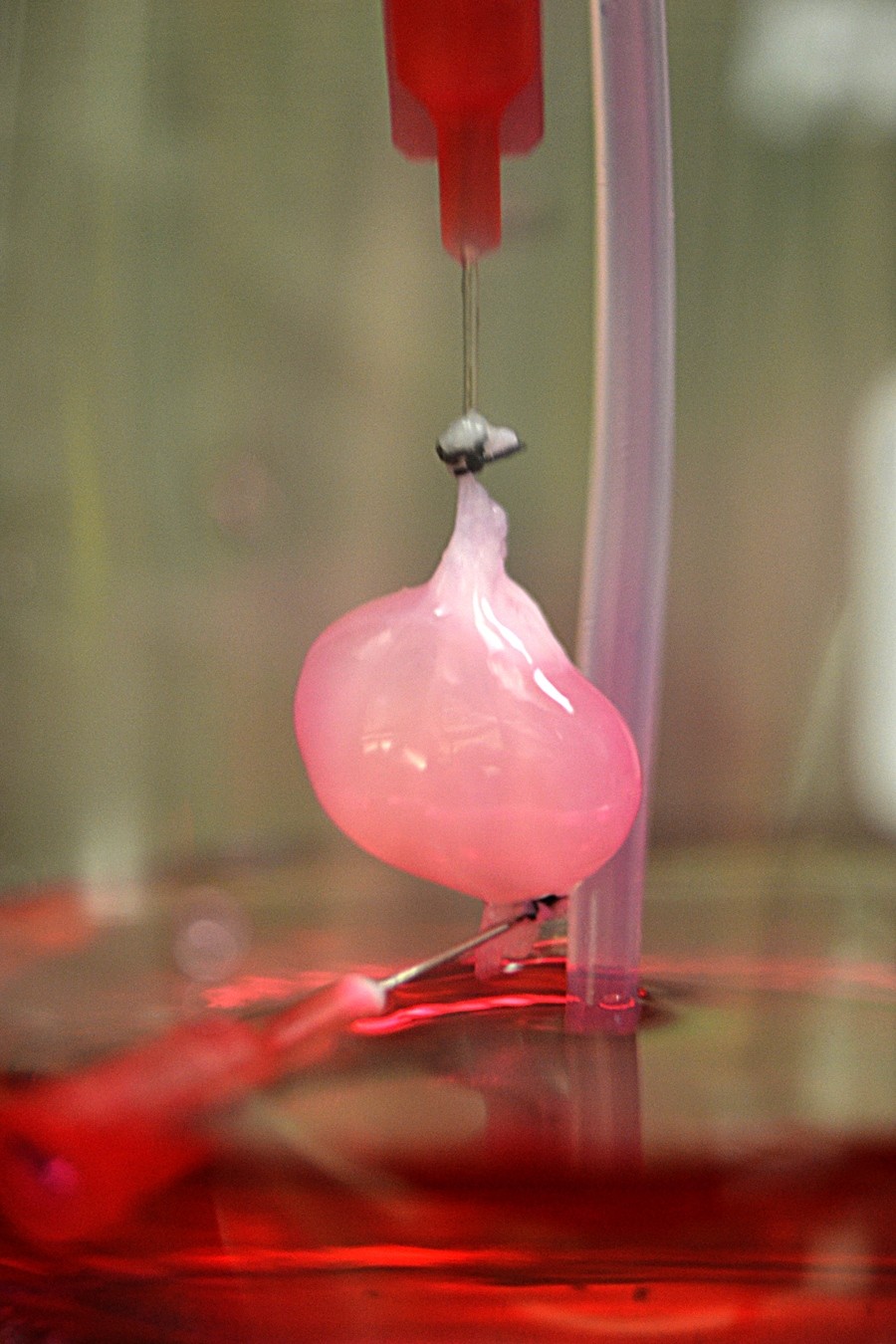
In a groundbreaking development for modern medical science, researchers — including a leading team from the University of Manchester — have successfully grown kidney tissue that can carry out the two essential roles of a real human kidney: filtering blood and producing urine. This breakthrough represents a major advance in regenerative medicine and brings scientists one step closer to creating lab-grown organs for patients suffering from kidney failure.
The research team began by using human embryonic stem cells to develop the kidney’s key filtering structures: glomeruli and nephrons. These tiny units are responsible for separating waste from the bloodstream and producing urine in a normal kidney. In laboratory conditions, the scientists guided the stem cells to form early versions of these structures, creating tissue that resembled the fundamental building blocks of a human kidney.
To help the tissue develop more naturally, the researchers embedded the forming structures into a gel-like matrix that mimicked real connective tissue found in the body. This mixture was then carefully implanted under the skin of laboratory mice. Over the course of three months, the implanted cells continued to grow and mature. Impressively, the developing tissue formed most of the microscopic parts seen in human nephrons — including the Bowman’s capsule and the Loop of Henle, which play central roles in blood filtration and urine concentration.
One of the most significant findings was the development of a functional capillary network. The mouse’s own blood vessels connected to the implanted tissue, allowing blood to flow through it. Once this circulation was established, the mini-kidneys began performing real kidney functions: filtering the mouse’s blood and creating a fluid strongly resembling natural urine. According to Kidney Research UK, this is the first time kidney tissue grown entirely from stem cells has successfully filtered blood inside a living organism.
Despite these promising results, scientists emphasize that the lab-grown structures are still far from forming a complete replacement organ. A full human kidney contains around one million glomeruli, while the engineered tissues contained only a few hundred. In addition, the mini-kidneys lacked a large artery to supply high-volume blood flow, which limits their ability to function at the scale required for human health.
Even with these limitations, the study marks a major step toward future therapies for end-stage kidney disease, a condition that affects millions of patients worldwide. Current treatments rely heavily on dialysis or transplant surgery, and both options come with serious challenges — including organ shortages and long-term complications. As noted in research published in Nature and supported by the National Institutes of Health (NIH), advancements in organ regeneration could eventually reduce dependence on donor kidneys and transform the way kidney failure is treated.
This pioneering achievement demonstrates that lab-grown kidney tissue can not only develop complex microscopic structures but also function inside a living organism. Although more research is needed before full-scale artificial kidneys become a medical reality, this study offers real hope for the future of regenerative medicine and for patients awaiting life-saving kidney treatments.