What It Really Means When Your Partner Starts Kissing You With Their Tongue More Often
Health 15/01/2026 17:31
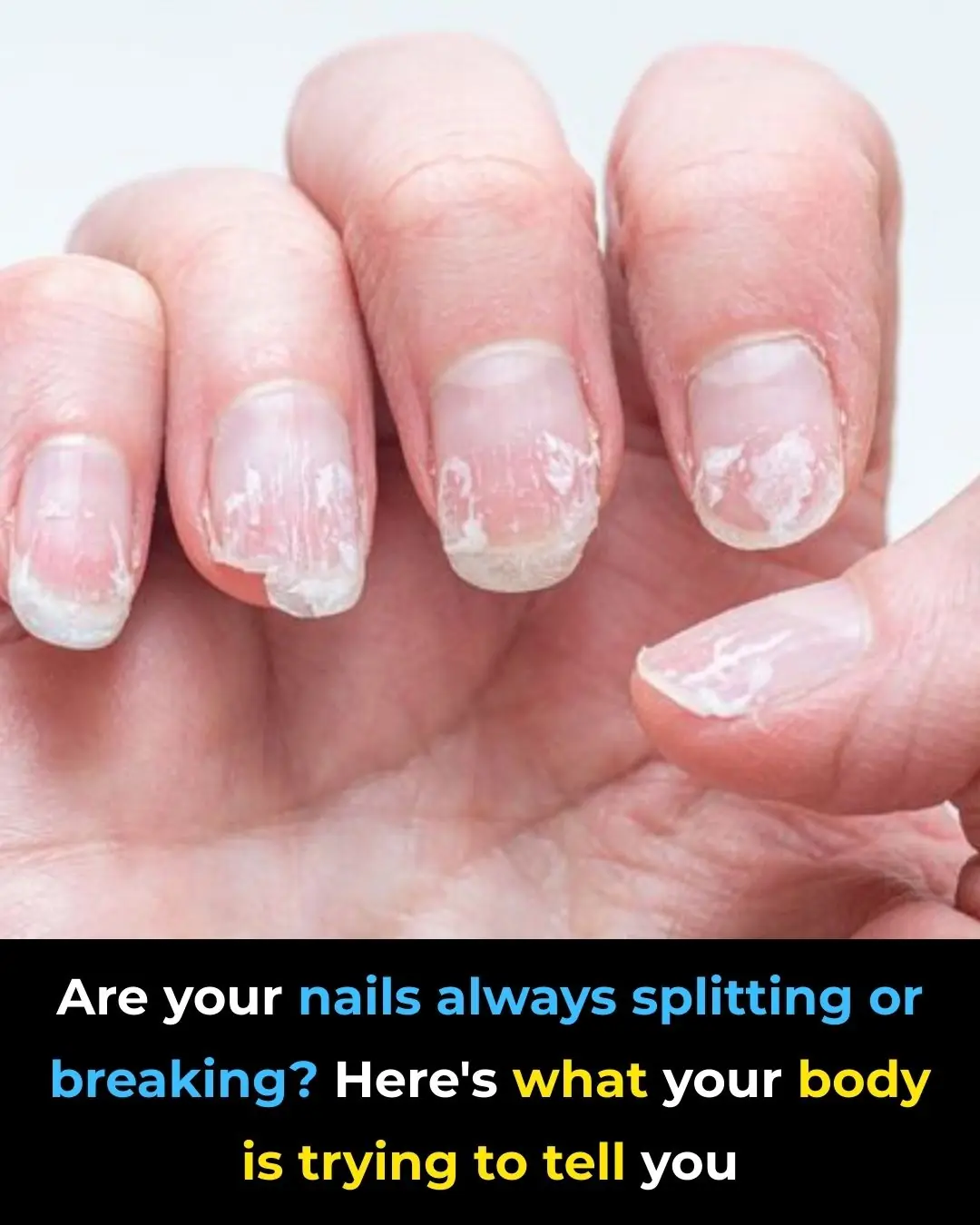
Most people think of nails as something to paint, trim, or show off—but they’re far more than decoration. Your nails are like tiny health reporters, quietly reflecting what’s happening inside your body, sometimes even before you notice any symptoms. Once you start paying attention, it’s hard not to get curious.

Nails grow from a small factory called the nail matrix, where new cells are constantly produced. If stress, illness, or nutrient deficiencies interfere with this process, the evidence often shows up right on the surface. Surprisingly, conditions you wouldn’t normally connect to nails—like thyroid problems, anemia, or diabetes—can reveal themselves there first. It’s your body’s subtle way of saying, “Something’s off.”
Healthy nails also serve a practical purpose: they protect your fingertips from infections and everyday bumps you barely notice. That’s why changes such as discoloration, ridges, or white spots aren’t just cosmetic quirks. Sometimes, they’re early warning signs worth paying attention to.

Tiny white specks, known as leukonychia, often appear after minor trauma—like bumping or pressing your nail without realizing it. Usually harmless, they fade as the nail grows. But if they keep showing up, they may signal a zinc deficiency or other nutritional gaps. If these spots appear alongside fatigue, brittle nails, or hair changes, it’s wise to get checked.

Vertical brown or black streaks, called melanonychia, can stretch from the nail base to the tip. For people with darker skin, these lines are often normal. But they can also result from trauma, friction, medications, hormonal changes, or infections. Sometimes pigment cells simply become more active; other times, their number increases. While often harmless, new or irregular dark lines should be evaluated to rule out serious causes.


A hangnail is that small flap of skin near the nail edge—tiny but surprisingly irritating. Dry air, frequent handwashing, nail-biting, or aggressive cuticle trimming make them more likely. While usually harmless, hangnails can let bacteria or fungi slip in, leading to infection (paronychia). The safest fix: wash your hands, sanitize your clippers, and gently trim the loose skin. Avoid biting or ripping it. Warm-water soaks and antibacterial ointment help with irritation, but if swelling or pain persists, seek medical care.

Persistent yellowing is more than a cosmetic issue. It can signal fungal infections, yellow nail syndrome, or underlying conditions like thyroid or respiratory problems. Yellow nails may also grow slower or become thicker. Because the causes vary, ongoing yellowing should be checked by a professional to pinpoint the root and restore nail health.
Your nails are storytellers. They record stress, illness, and nutrient gaps, often before you notice other symptoms. While most changes are harmless, unusual or persistent ones are worth investigating. Caring for your nails—moisturizing, trimming safely, avoiding biting—does more than keep them looking good. It helps you catch your body’s whispers before they turn into shouts.