Why Some Men Prefer Slim Women (Real Explanation)
Facts 23/04/2026 08:49
For decades, the battle against Alzheimer’s disease has focused almost exclusively on one target: beta-amyloid plaques - the sticky clumps of protein believed to choke brain cells and sabotage memory. But now, a groundbreaking study is flipping that theory on its head.
In a stunning discovery, neuroscientists from the Federal University of Rio de Janeiro and the University of São Paulo have found a way to reverse memory loss in mice with Alzheimer’s - without removing a single plaque. Instead, they used a naturally occurring brain protein called hevin, and the results could revolutionize how we understand - and treat - this devastating disease.
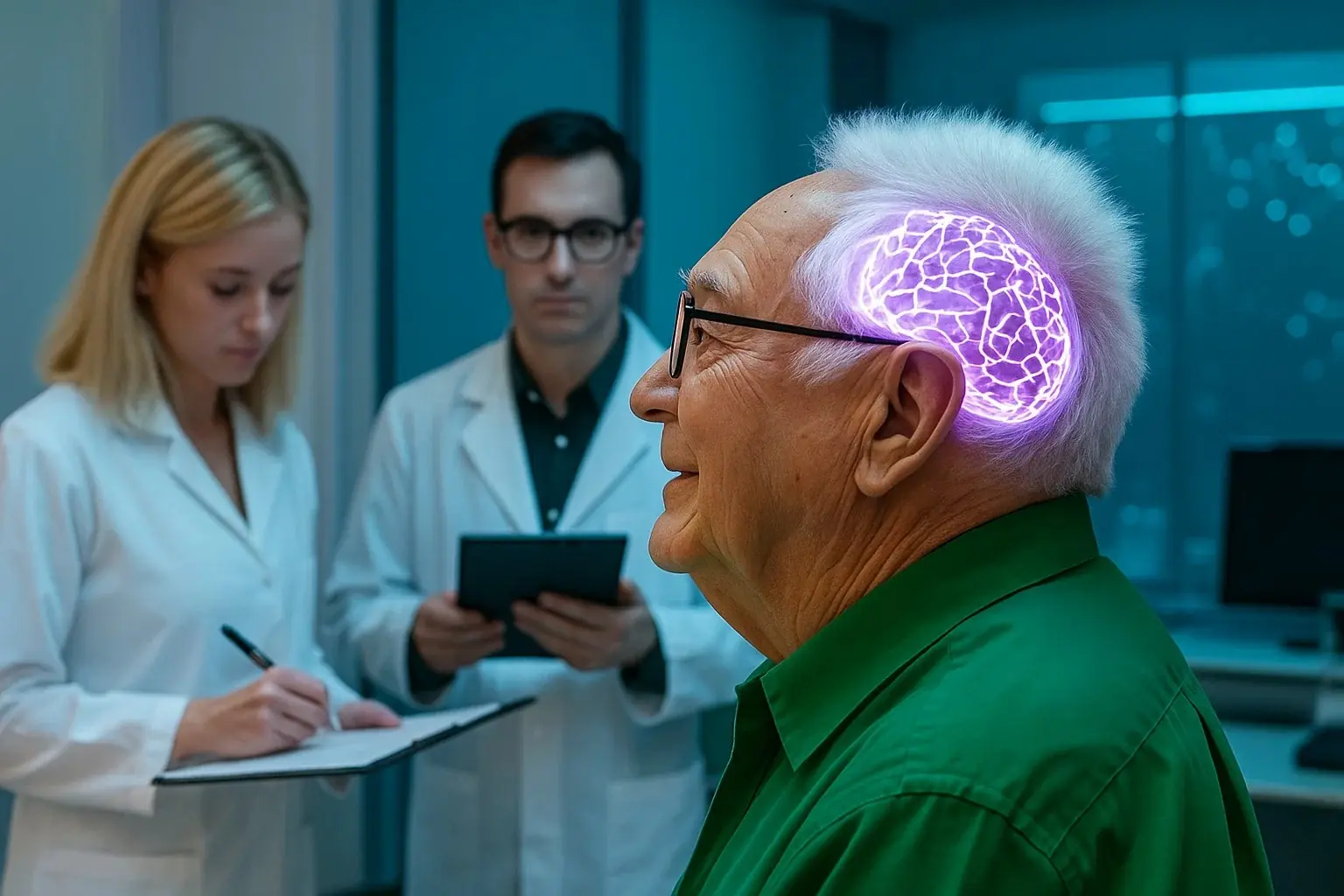
Beyond Plaques: A Radical Rethink in Alzheimer’s Treatment
Traditional Alzheimer’s treatments have long focused on clearing beta-amyloid deposits, with drugs like Aducanumab and Lecanemab targeting these plaques directly. Yet frustratingly, most of these drugs show little improvement in memory or cognitive function, and often come with serious side effects such as brain swelling (ARIA).
This disconnect has left researchers wondering: what if the real culprit isn’t the plaque at all?
That’s where hevin comes in.
Meet Hevin: The Brain’s Hidden Repair Tool
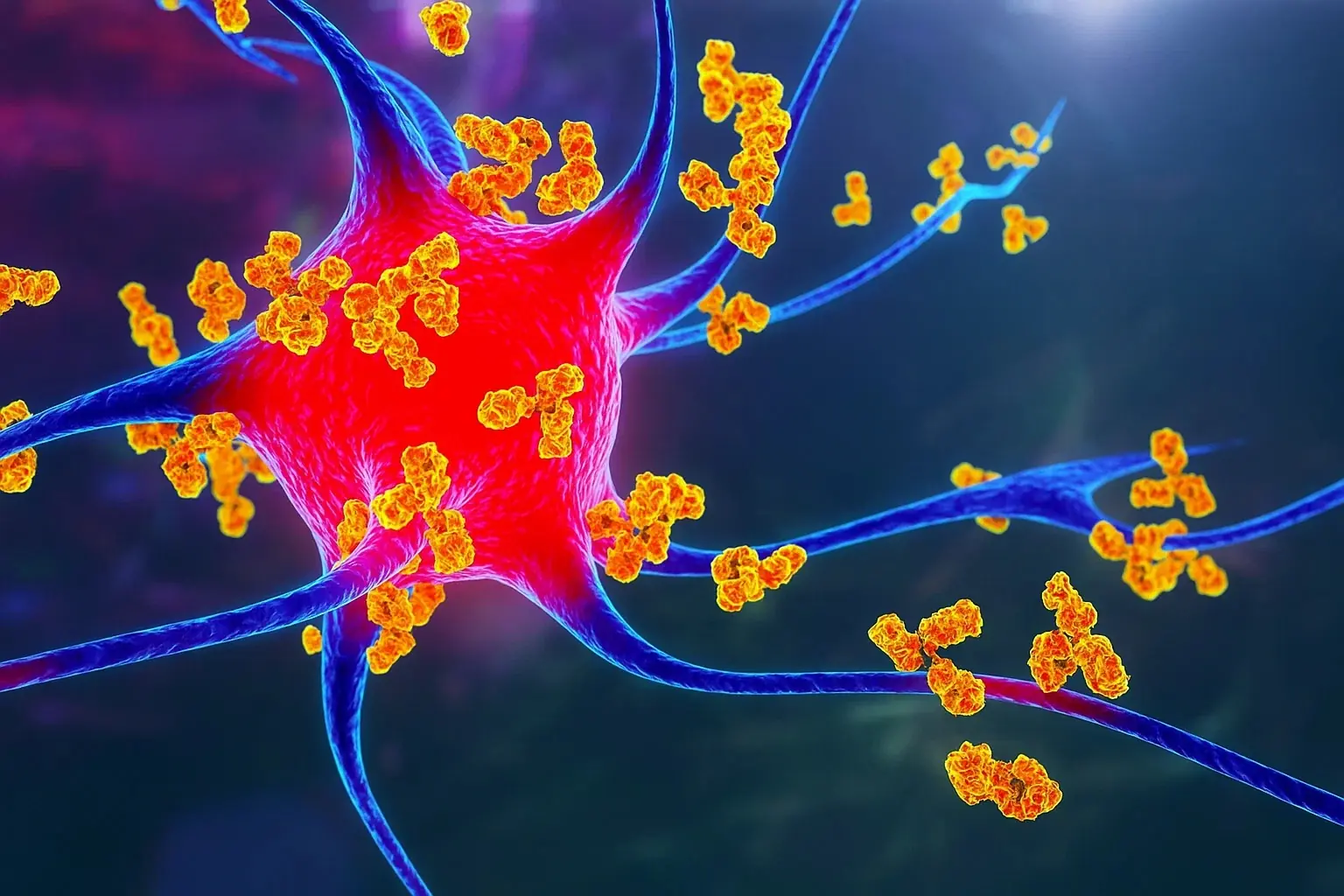
Hevin - also known as SPARCL1 - is a protein secreted by astrocytes, the star-shaped support cells in the brain. While once thought to merely nourish neurons, astrocytes are now emerging as key players in brain function.
“Hevin is like a matchmaker for neurons,” explains Dr. Claudia da Silveira, co-author of the study. “It helps brain cells form long-lasting, stable connections, even in challenging environments like the Alzheimer’s-affected brain.”
Hevin plays a vital role in synaptogenesis - the process of forming and maintaining synapses, the communication points between neurons. It acts like molecular glue, helping cells connect, talk, and adapt.
The Breakthrough Experiment: Restoring Memory in Diseased Brains
In the 2023 Nature Communications study titled “Astrocyte-secreted hevin rescues memory deficits in Alzheimer’s disease models without altering amyloid pathology,” researchers delivered viral vectors to increase hevin levels in the hippocampus - the brain’s memory center.
They tested this approach in two groups of mice:
After treatment, the mice underwent memory tests like the Morris water maze and novel object recognition, and the results were jaw-dropping.
Key Findings That Could Change Everything
🔹 Memory Returned - Despite Plaques Staying Put
Even though beta-amyloid plaques remained unchanged, the mice performed significantly better on memory tests.
“This suggests that cognitive decline is more tightly linked to synaptic dysfunction than to the amount of plaque,” said lead researcher Dr. Alexandre Takaki.
🔹 Synaptic Connections Regenerated
Advanced imaging showed:
🔹 Massive Protein-Level Changes
Using mass spectrometry, scientists identified hundreds of proteins whose expression was altered by hevin - including those linked to:
Why This Discovery Matters
Hevin represents a radical shift in treatment philosophy. Instead of fighting disease by removing damage, scientists are now exploring how to enhance the brain’s ability to heal and function despite the damage.
And it’s not just promising - it’s biologically elegant. Hevin is produced naturally in the brain, offering a non-invasive, biologically compatible pathway to repair.
“Astrocytes are no longer seen as passive support cells,” says glial cell expert Dr. Letícia Fernandes. “They’re active architects of cognition - and may hold the key to reversing brain decline.”
Implications for the Future of Alzheimer’s Care
If these findings translate to humans, hevin-based therapies could:
Even more significantly, this research could shift the global Alzheimer’s research agenda from simply clearing brain gunk to rebuilding brain function - a far more hopeful direction for patients and families.
A New Era of Alzheimer’s Treatment May Be Just Beginning
The study’s central revelation - that memory can be restored without clearing plaques - challenges the very foundation of Alzheimer’s research over the past 30 years. It forces us to ask: Have we been chasing the wrong target all along?
Thanks to hevin, scientists are now exploring treatments that work with the brain’s biology rather than against it - treatments that restore, regenerate, and reconnect.
The age of plaque-clearing might be giving way to the era of brain-building.