Hercules: The Starving Puppy Who Found Love and Life Again
Life stories 31/12/2025 11:33
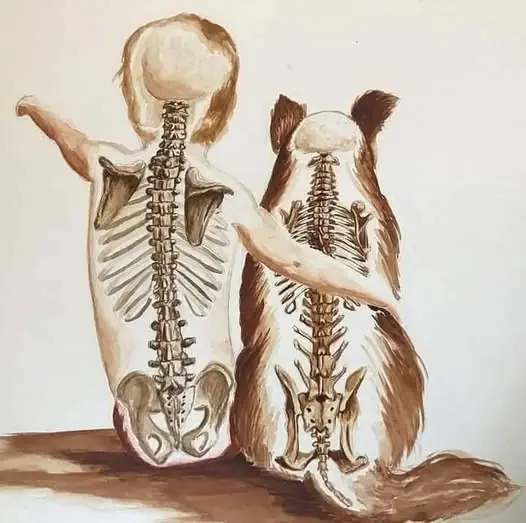
Imagine a scenario where a dog and a human stand side by side, both in urgent need of help, but only one can be saved. For many people, that choice is far more difficult than it seems. Recent sociological and psychological studies suggest that when it comes to empathy, dogs often receive more compassion than adult humans. This surprising finding sheds light on the deep emotional bonds people form with animals and the way society perceives vulnerability.
Researchers from Northeastern University and the University of Colorado conducted experiments to measure empathy responses among undergraduate students. Their results revealed that participants consistently expressed stronger feelings of concern for dogs compared to adult humans. Interestingly, empathy levels were also high for human children, puppies, and fully grown dogs, but significantly lower for adult human victims. The study concluded that age influences empathy toward human victims, but not toward dogs, who are universally perceived as vulnerable beings.
This phenomenon is not isolated. A British charity conducted a fundraising campaign with two versions of the same advertisement. Both asked donors to contribute £5 to save “Harrison from a slow, painful death.” One ad featured a real eight‑year‑old boy suffering from Duchenne muscular dystrophy, while the other showed a stock photo of a dog. When the ads ran on MSN UK, the dog version attracted twice as many clicks (230 compared to 111). This striking difference highlights how dogs are often viewed as more deserving of help than humans, even children.
Psychologists suggest that dogs are perceived as innocent and blameless, much like human infants. Justin Lioi, a licensed psychotherapist, explained that people are more likely to empathize with those who “didn’t ask for their circumstances.” Dogs, like babies, embody innocence and helplessness, which triggers a stronger protective instinct in humans.
Similarly, Dr. Kathrine McAleese, a sociologist and systemic psychotherapist, has observed this pattern among her clients. Many pet owners willingly invest in their dog’s health, nutrition, and fitness, while neglecting their own well‑being. When asked why, the common response is: “Because my dog deserves it.” McAleese notes that trainers often show endless patience with dogs but struggle to empathize with owners, reinforcing the idea that animals are seen as pure and voiceless beings needing advocacy.
Certified behaviorist and trainer Russell Hartstein agrees that dogs provide unconditional love, which often leads people to form deeper bonds with their pets than with other humans. He compares the care many owners give their dogs—through training, wellness programs, and enrichment activities—to the way parents nurture their children. This level of devotion underscores the intimate role dogs play in human lives.
The findings align with broader cultural trends. Surveys by Gallup and reports from the American Psychological Association show rising public concern for animal welfare, with many people ranking animal protection as a moral priority. Meanwhile, organizations such as the World Health Organization (WHO) and UNESCO have emphasized the importance of recognizing the human‑animal bond in promoting mental health and social well‑being. Dogs, in particular, are increasingly seen not just as pets, but as family members and emotional companions.
The growing body of research suggests that empathy toward dogs often surpasses empathy toward humans, especially adults. Whether due to perceptions of innocence, vulnerability, or unconditional love, dogs occupy a unique place in human hearts. These studies challenge us to reflect on our moral priorities and the ways we allocate compassion. As society continues to evolve, the human‑dog bond remains one of the most powerful examples of cross‑species empathy.
Sources for further reading:
Northeastern University & University of Colorado empathy studies (2017)
Anthrozoös Journal – “Empathy toward animals vs. humans”
Gallup Poll on animal welfare priorities (2023)
American Psychological Association – Human‑animal bond research (2024)
WHO & UNESCO reports on pets and mental health (2022–2024)