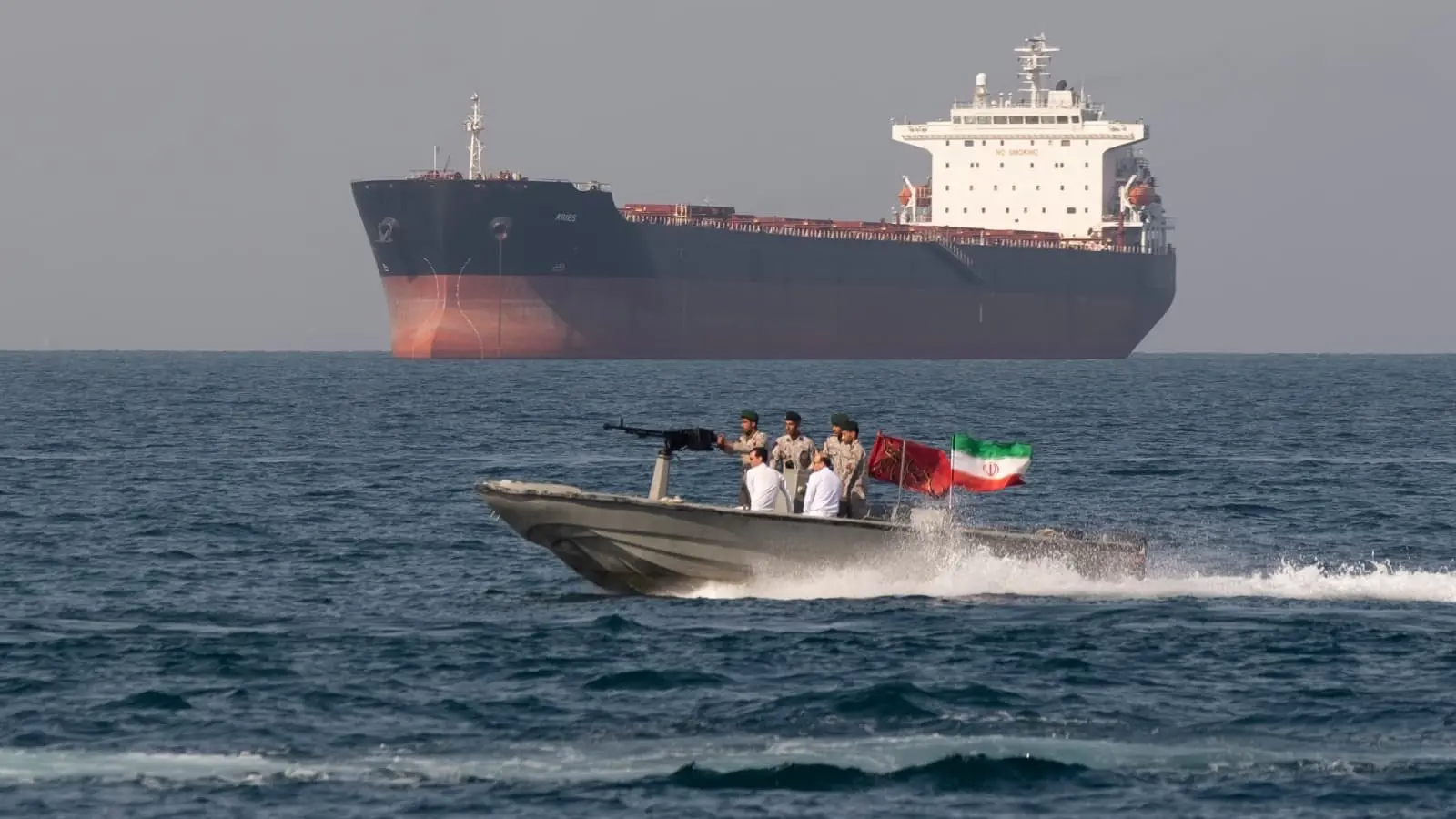
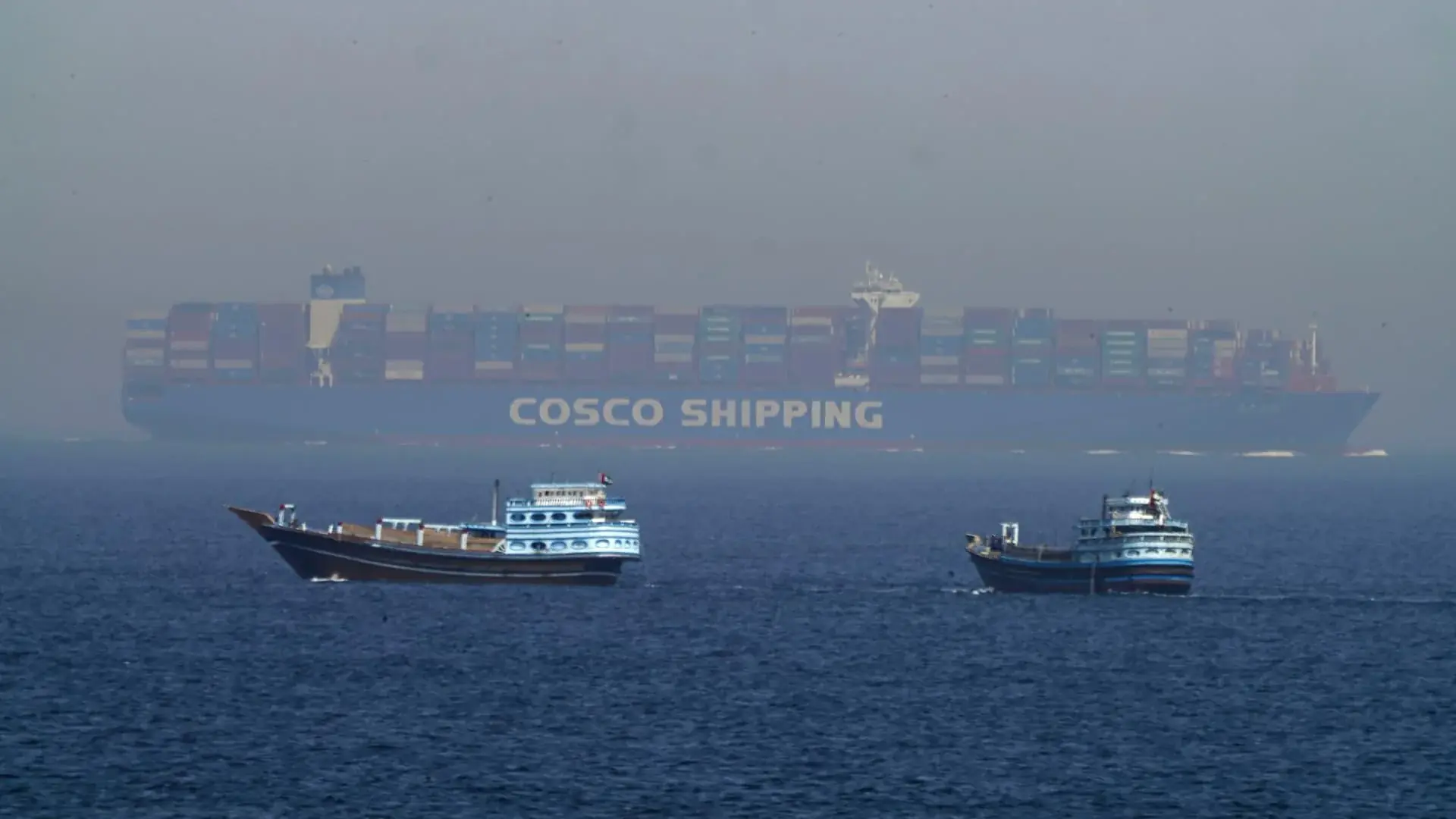
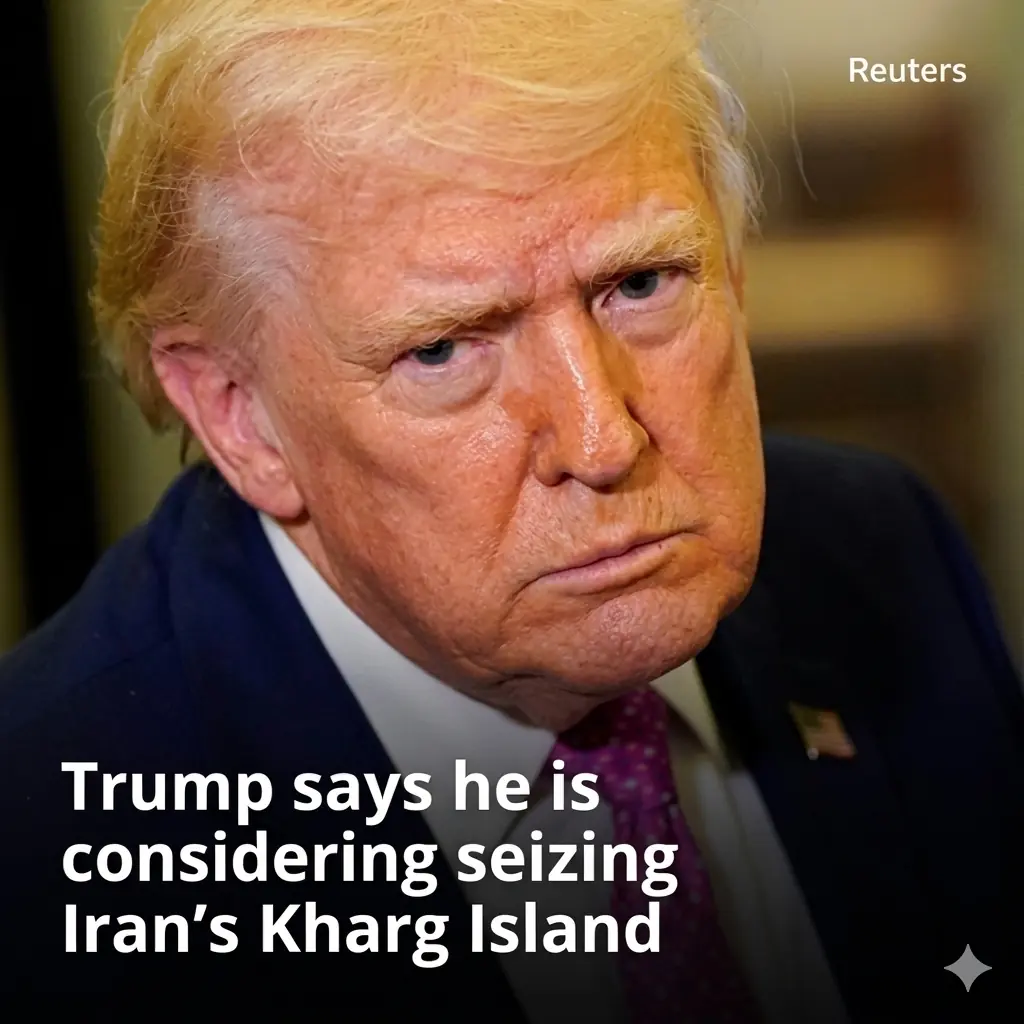
The Middle East conflict, now in its fifth week, is pushing tens of thousands of sailors into unprecedented danger. Trapped in the Strait of Hormuz amidst a blockade and military threats, they face shortages of food and water and virtually no escape.
Around 2,000 ships with nearly 20,000 sailors are trapped in the Strait of Hormuz as the Middle East conflict escalates, turning the world's most vital shipping lane into a "life-or-death choke point."
A plea for help
According to AFP, the International Transport Workers' Union (ITF) hotlines are overwhelmed with calls for help from isolated ships in the Persian Gulf. Many sailors report severe shortages of food, water, and basic necessities.
"We need immediate supplies of food, water, and basic necessities to sustain the crew," one message sent to the ITF read.
"We've been bombed. We don't want to die. Please get us out of here," a panicked sailor called the ITF during the night.
Mohamed Arrachedi, the ITF's regional coordinator, said the current situation is "unusual and extremely tense," with distress calls coming in at any time, even in the early morning.
Unable to leave the ship in the middle of the conflict
After the conflict broke out, the Strait of Hormuz was designated a conflict zone. In such a situation, sailors are allowed to return home at the company's expense and receive double pay for those currently working. However, the reality is quite different.
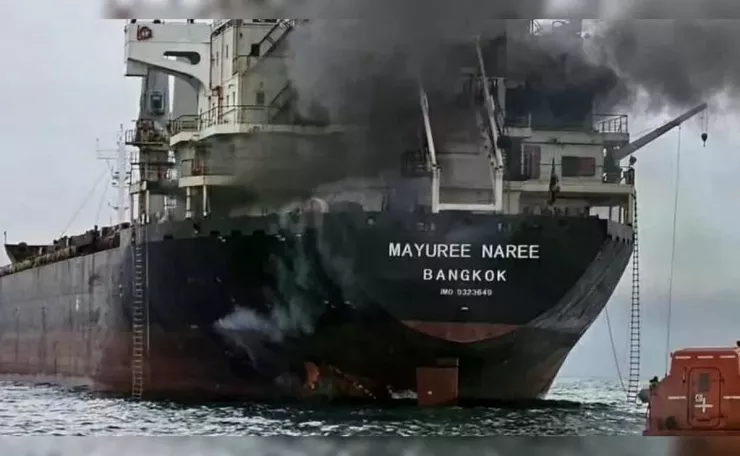
Many sailors working on ships do not have these arrangements, and the blockade of the Strait of Hormuz prevents them from leaving.
In an email dated March 18, a sailor stated that the ship's owner was ignoring the crew's requests to leave the vessel. "They are forcing us to continue carrying out cargo and intership transport operations, even when we raise concerns about our safety and we are in a war zone. They are keeping us in a position where we have no other choice."
Accepting danger to earn a living
Lucian Craciun, one of five members of the ITF support team handling requests from sailors, said that about 50% of the emails they receive are about wages. He said many sailors choose to stay on board despite the danger because they cannot afford to leave.
AFP reported that in one email, a sailor asked for confirmation of whether his salary would increase from $16/day to $32/day because he was working in a war zone. According to the ITF, such low wages indicate that shipowners lack labor agreements to guarantee decent pay.
AFP also noted that sailors working under such agreements are particularly at risk because their contracts often do not cover operations in conflict zones.
'Legal Labyrinth,' No One Accountable
According to a report in Wired, the modern shipping industry operates across multiple jurisdictions, meaning a ship can be owned by one country, registered in another, managed by a third party, and actually operating in different waters.
Under normal circumstances, this facilitates global trade. But in times of crisis like the present, no single authority is clearly responsible for the fate of the sailors. Any chance of return depends on the cooperation of all relevant authorities.
Wired reports that organizations like the ITF believe intervention is possible, but depends on coordination between jurisdictions and cooperation from shipowners.
Rising casualties, risk of a global energy crisis
According to the International Maritime Organization, there have been 19 confirmed incidents involving ships since the conflict began, and 10 sailors have died in these incidents.
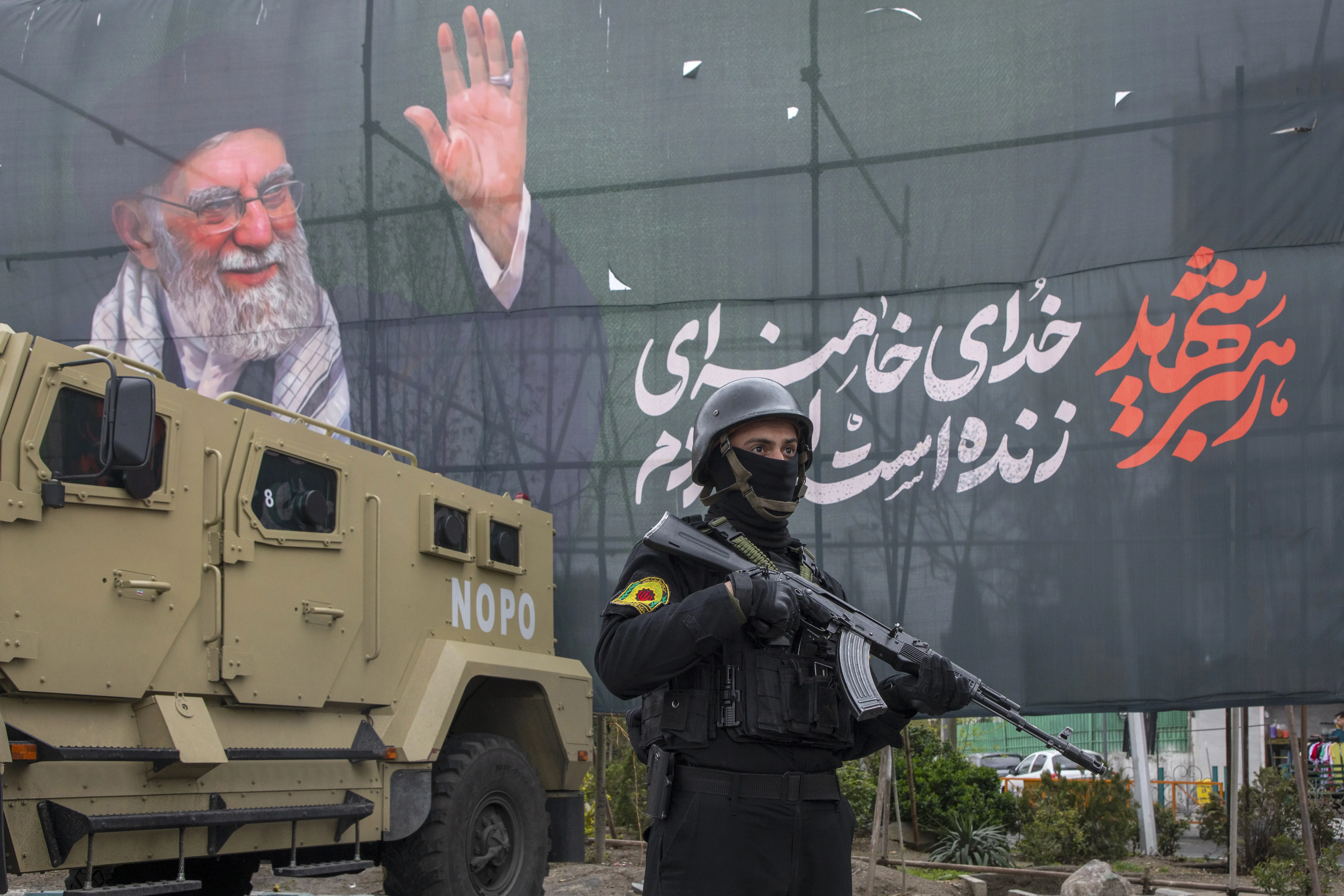
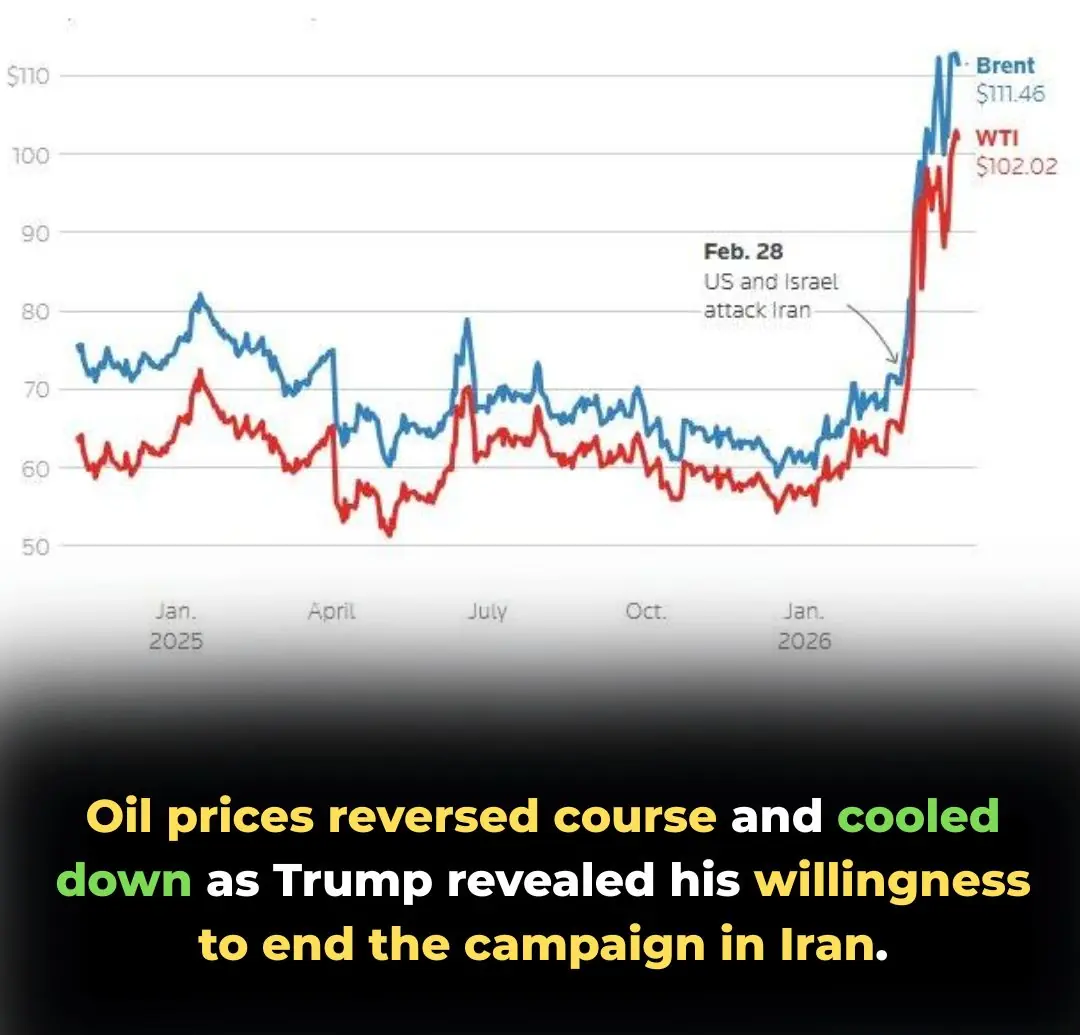
Iran has repeatedly threatened to attack ships attempting to pass through the Strait of Hormuz – a shipping lane carrying approximately 20% of the world's oil and gas supply. This raises serious concerns about energy security.
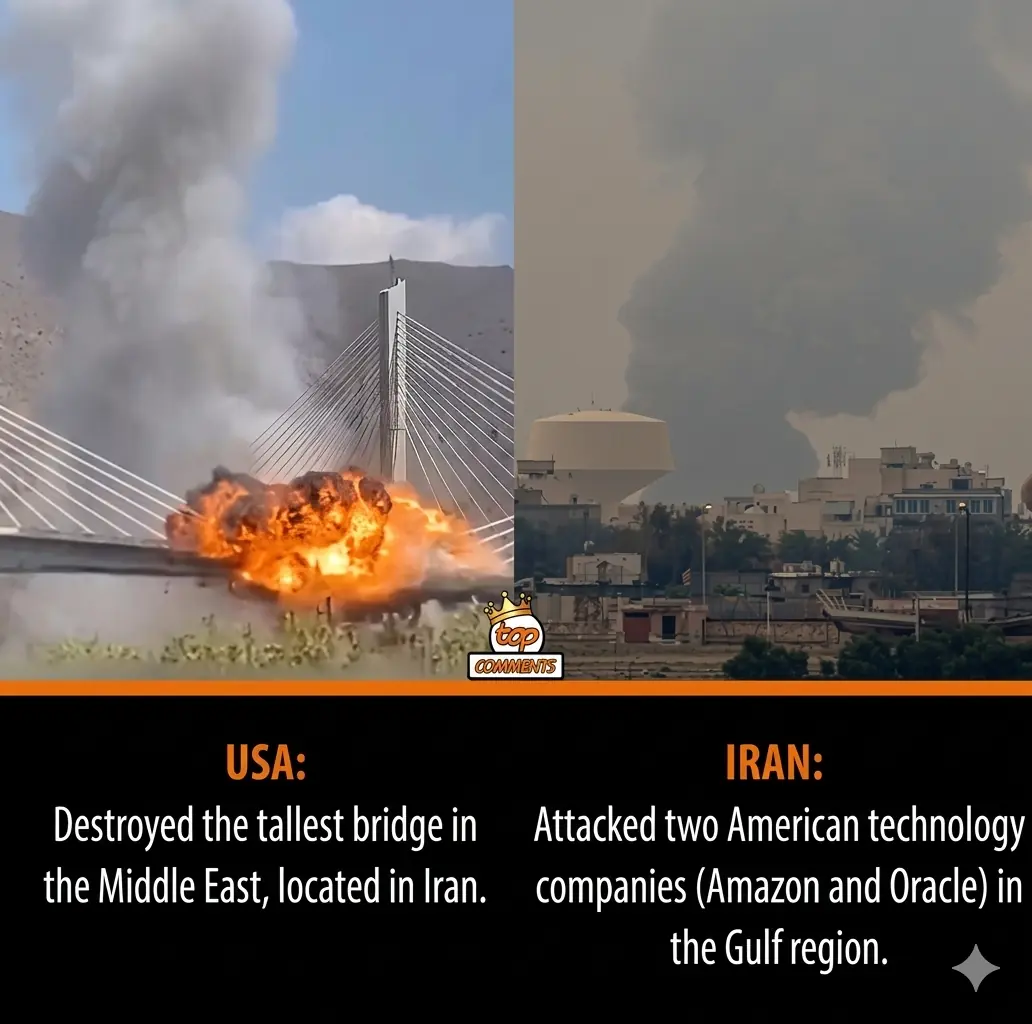
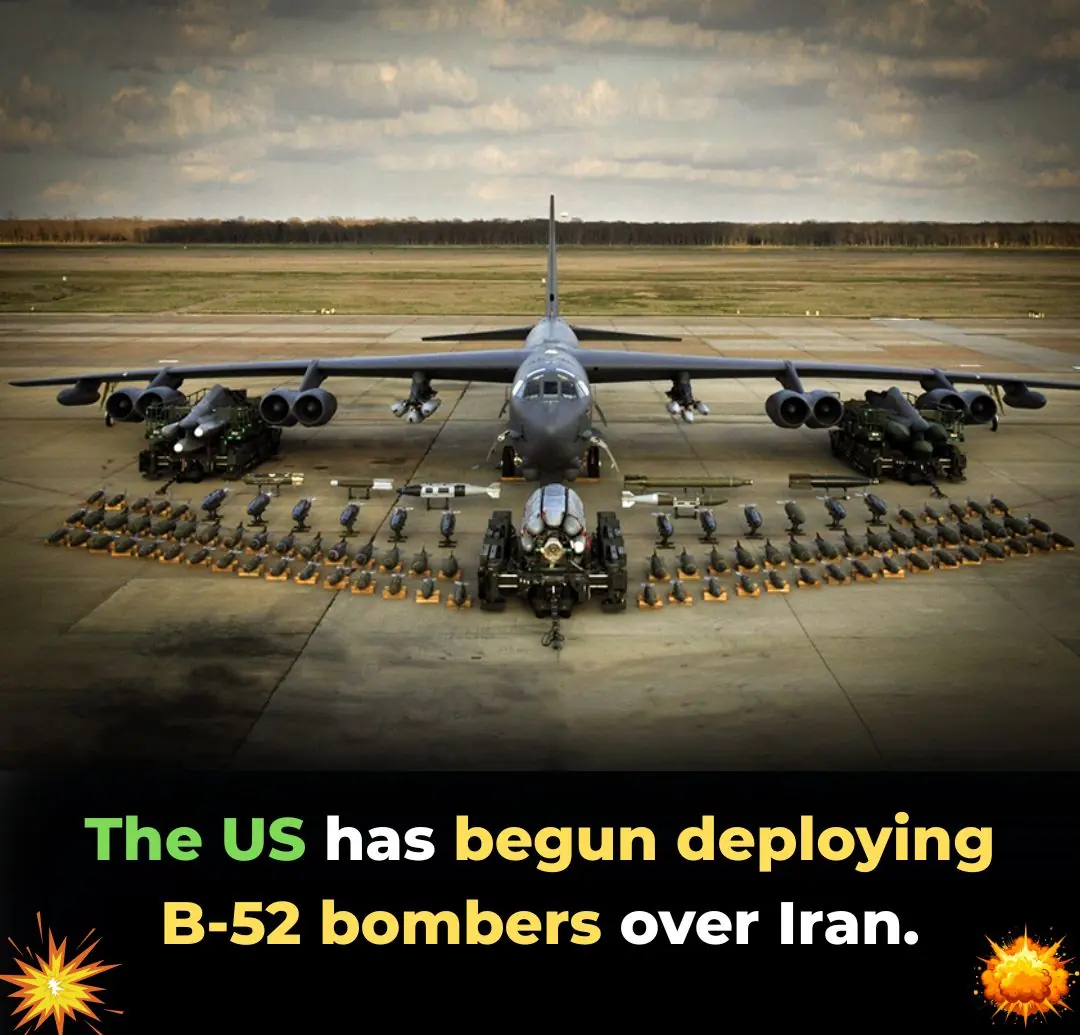
Disruptions to shipping through this vital waterway are also putting significant pressure on global inflation and increasing pressure on the US – which has been conducting joint attacks with Israel against Iran since late February.