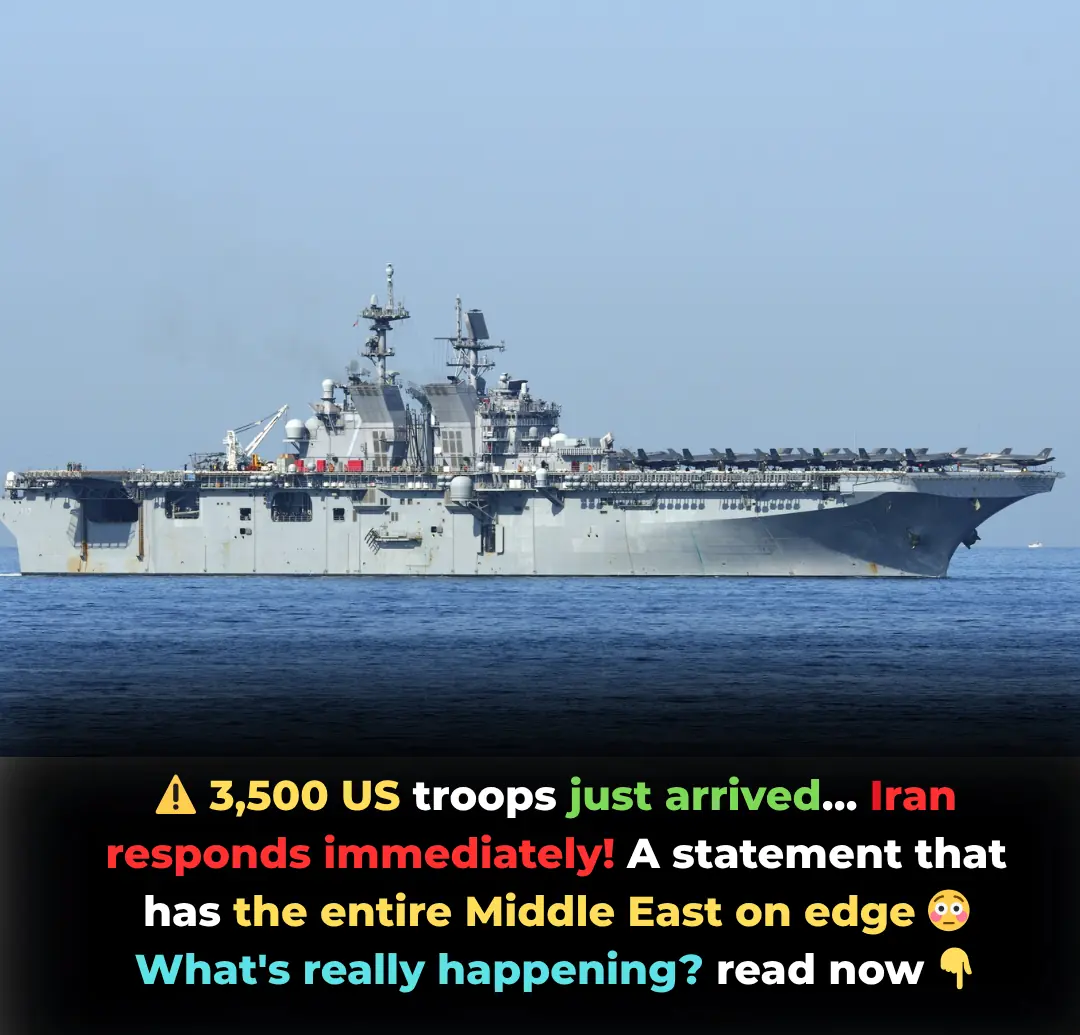
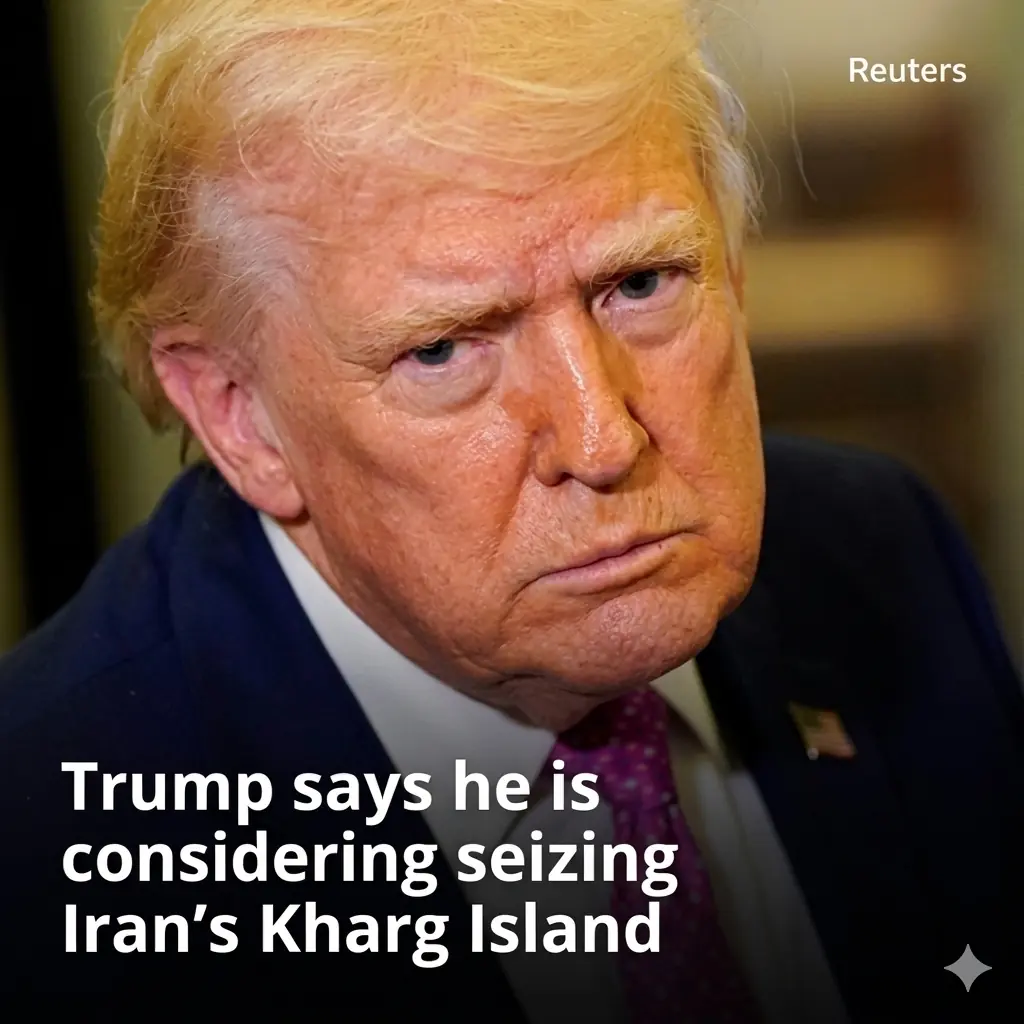
Iran Blockade the Strait of Hormuz in Retaliation for US and Israeli Attacks.
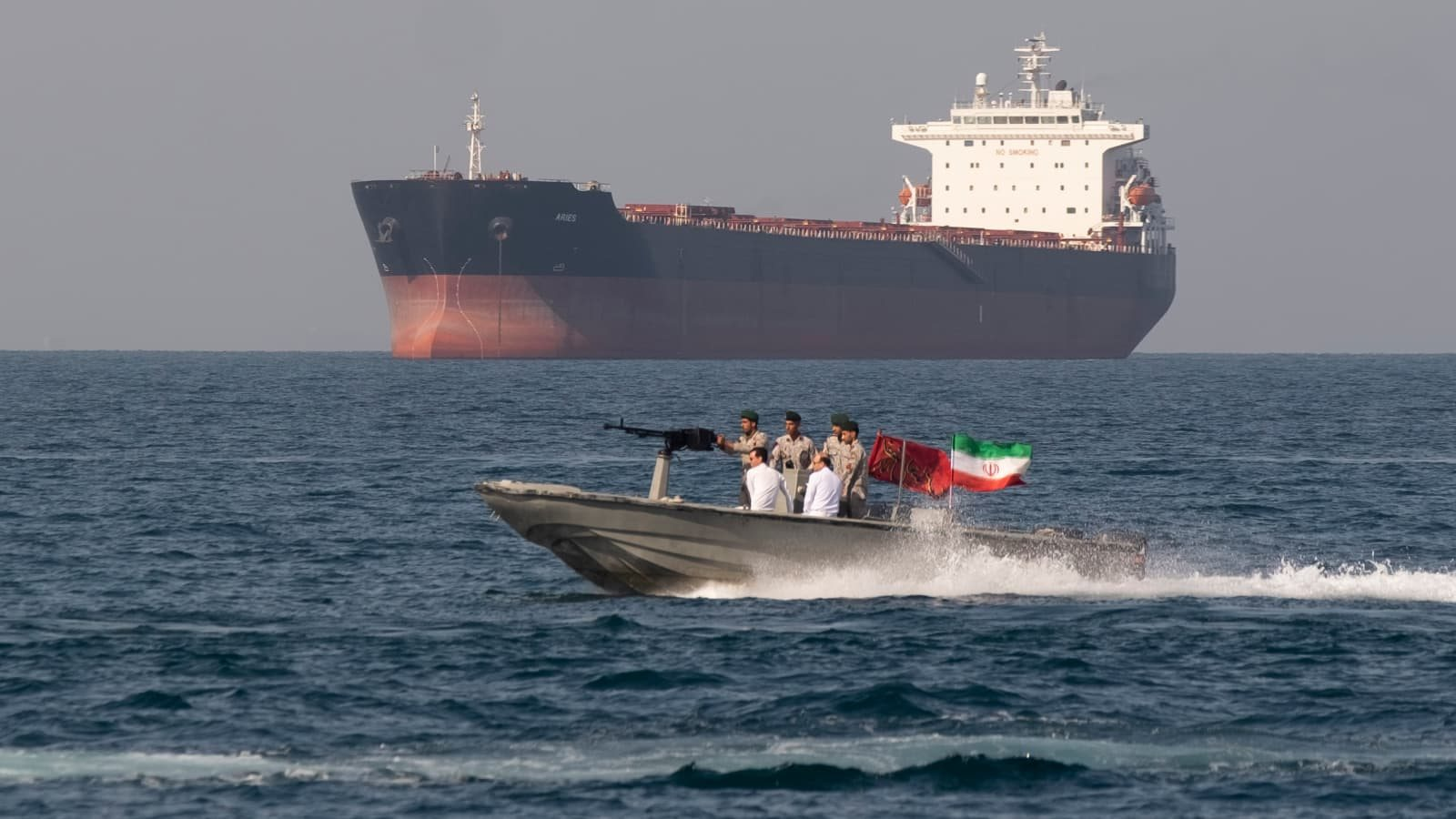
The Strait of Hormuz will be closed to the US and Israel for a very long time, declared Abolfazl Shekarchi, spokesman for the Iranian armed forces.
“The Strait of Hormuz will be closed to the US and Israel for a long time. They will not be allowed access to it under any circumstances,” Shekarchi said on state television.
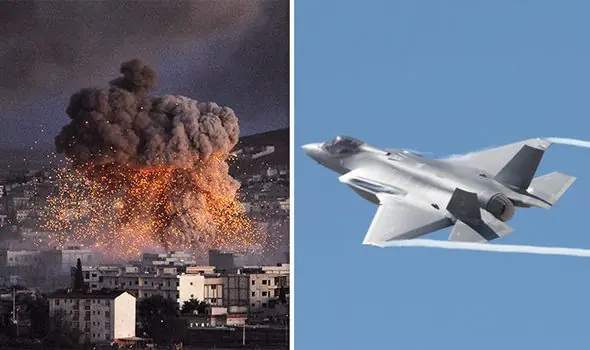
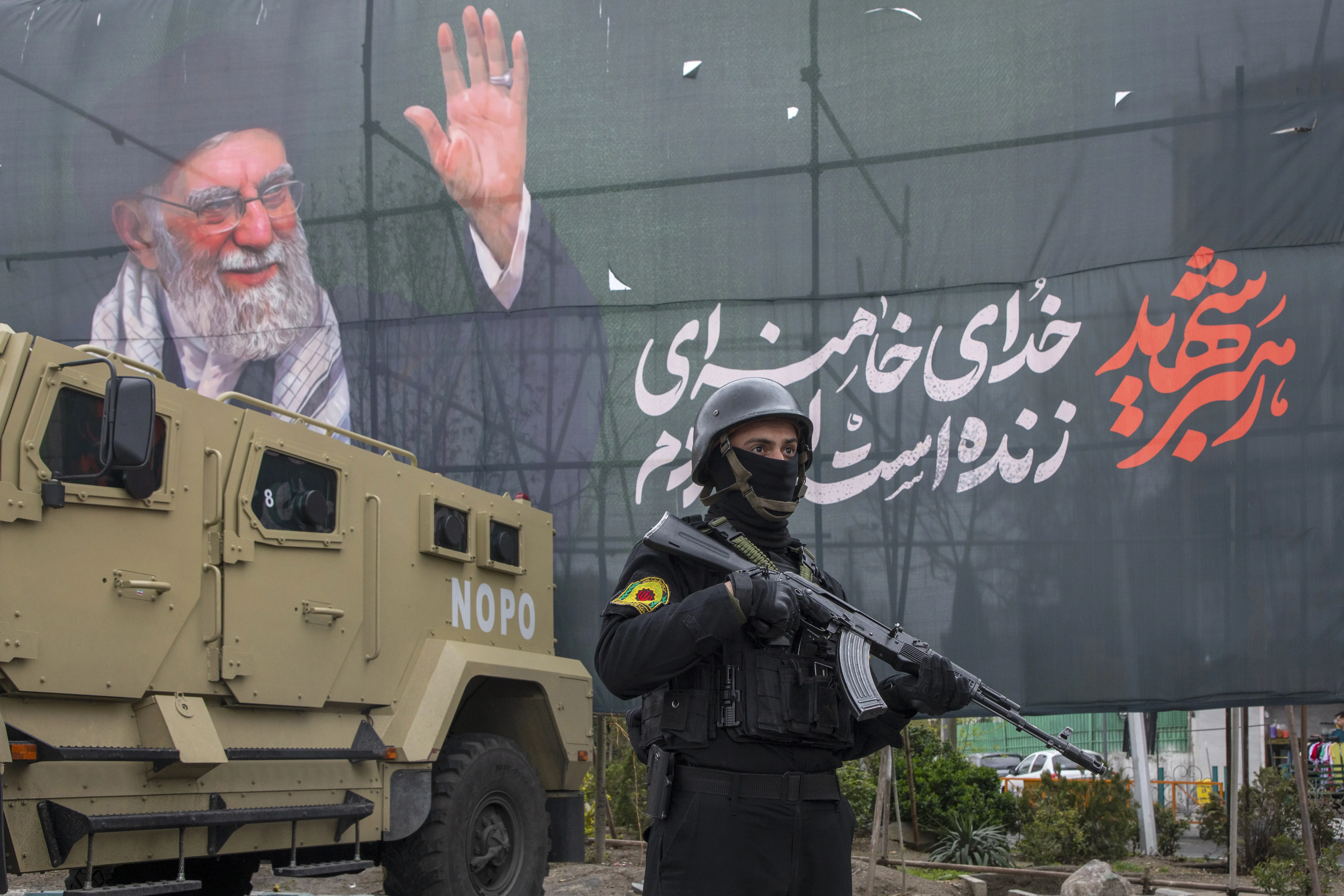
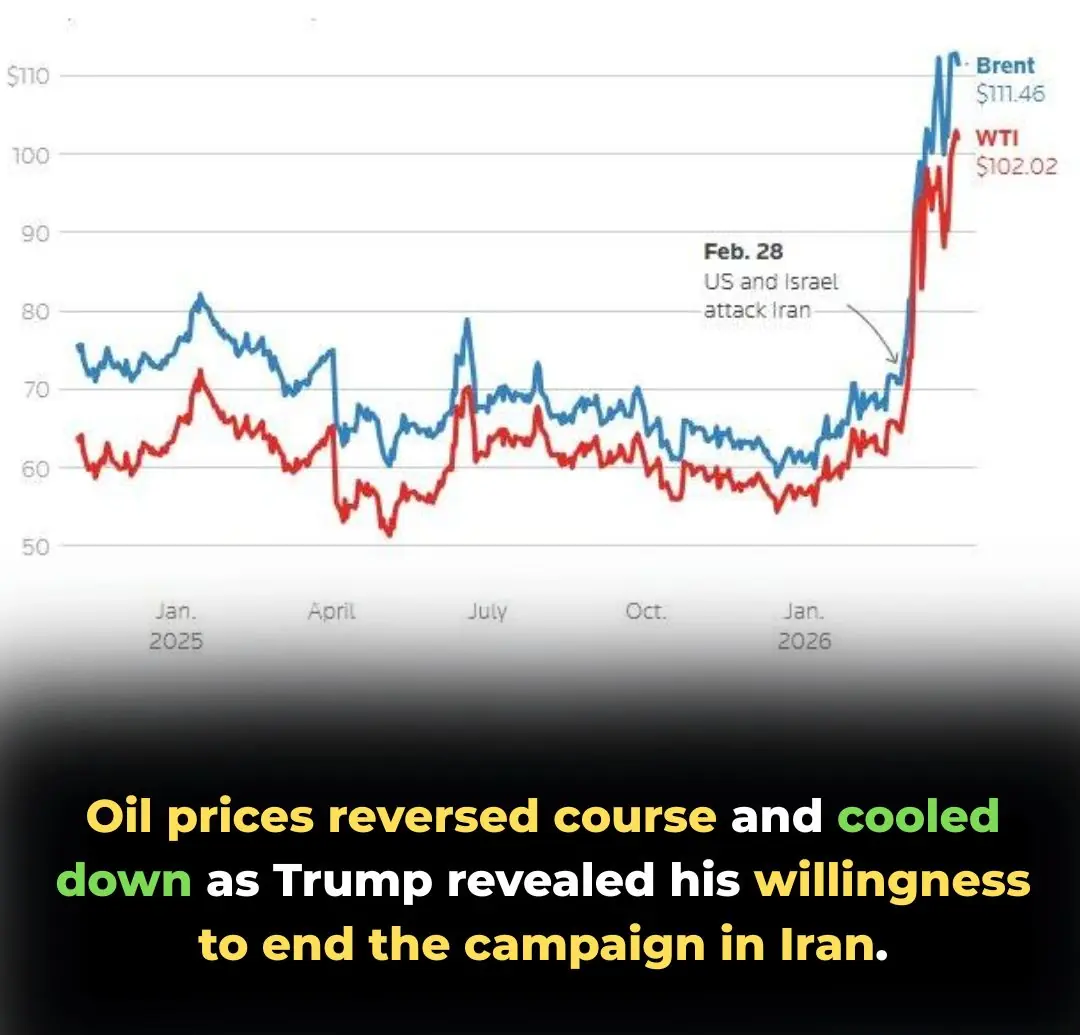
On February 28, the US and Israel officially launched a large-scale military operation against Iran. A number of key cities, including the capital Tehran, suffered intense airstrikes.
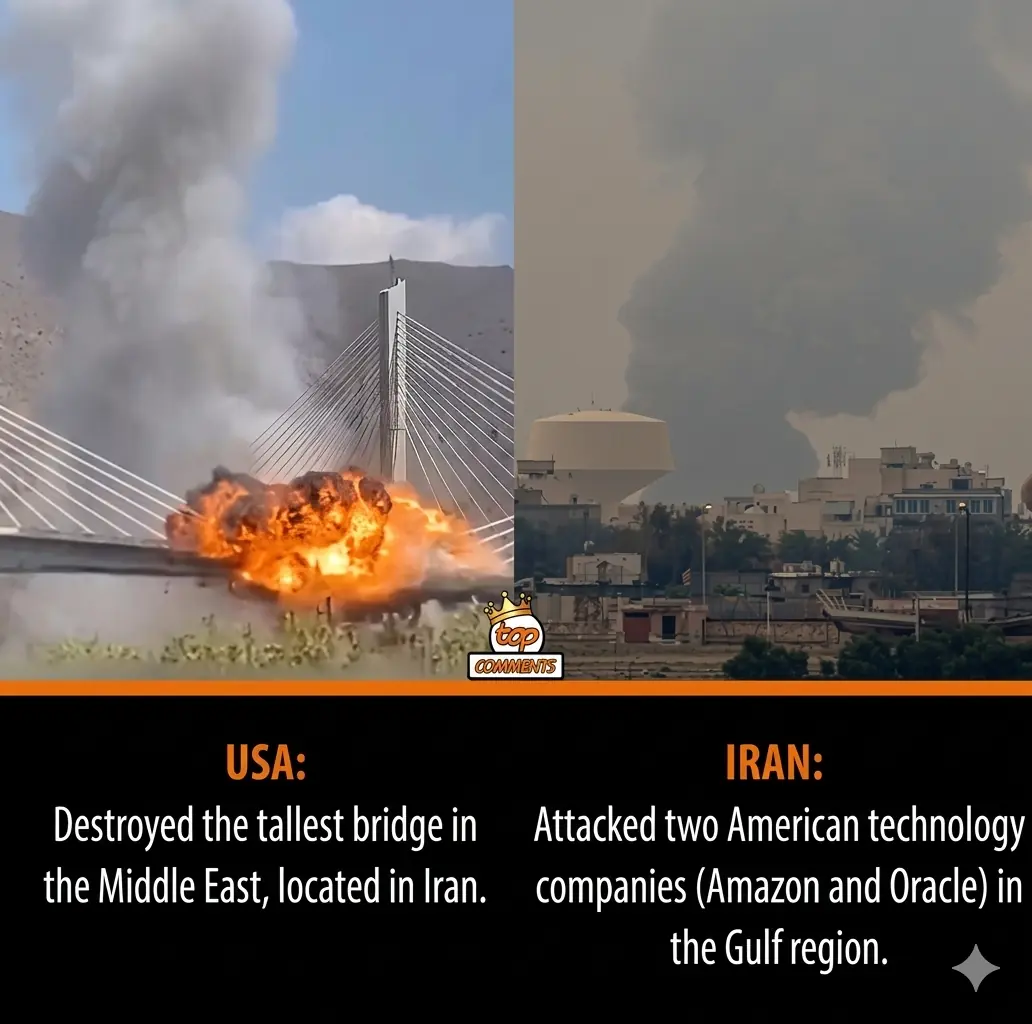
In response, the Iranian Islamic Revolutionary Guard Corps (IRGC) launched large-scale attacks targeting Israeli territory as well as US military bases in Bahrain, Jordan, Iraq, Qatar, Kuwait, and the United Arab Emirates (UAE).
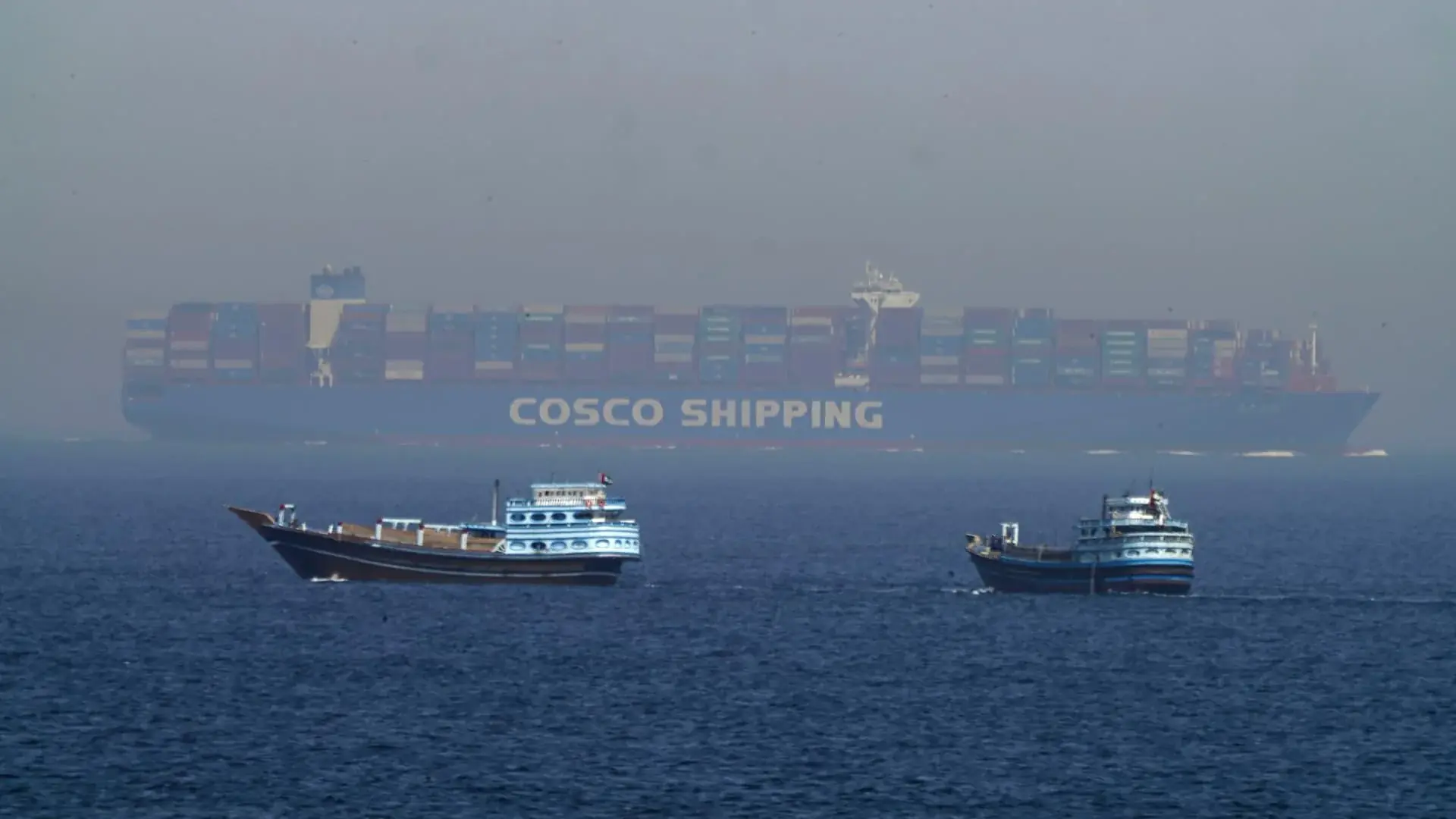
Furthermore, the Tehran government has decided to completely close the Strait of Hormuz to ships linked to the US, Israel, and other countries supporting the campaign against Iran.
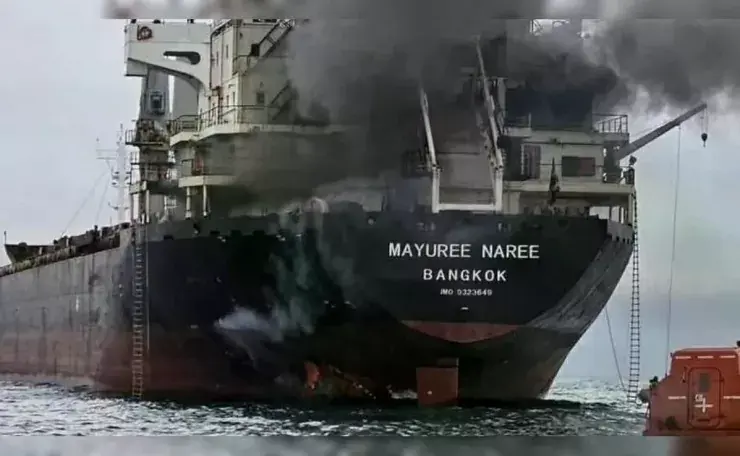
Throughout the recent conflict, many oil tankers have been attacked for attempting to cross the strait without Iran's permission.
The Strait of Hormuz carries 20% of the world's oil flow, so a prolonged blockade directly threatens the global oil supply chain.
However, Iran has left some exceptions open for "friendly" countries. On March 25, Iranian Foreign Minister Abbas Araghchi confirmed that the country has allowed ships from friendly nations, including Russia, India, Iraq, China, and Pakistan, to pass through the Strait of Hormuz.
Despite these preferences, the shortage of supply from other markets is still pushing energy prices to record highs, significantly impacting the global economy.