Not Just the Fruit! Fascinating Facts About Carambola Leaves You’ll Wish You Knew Sooner
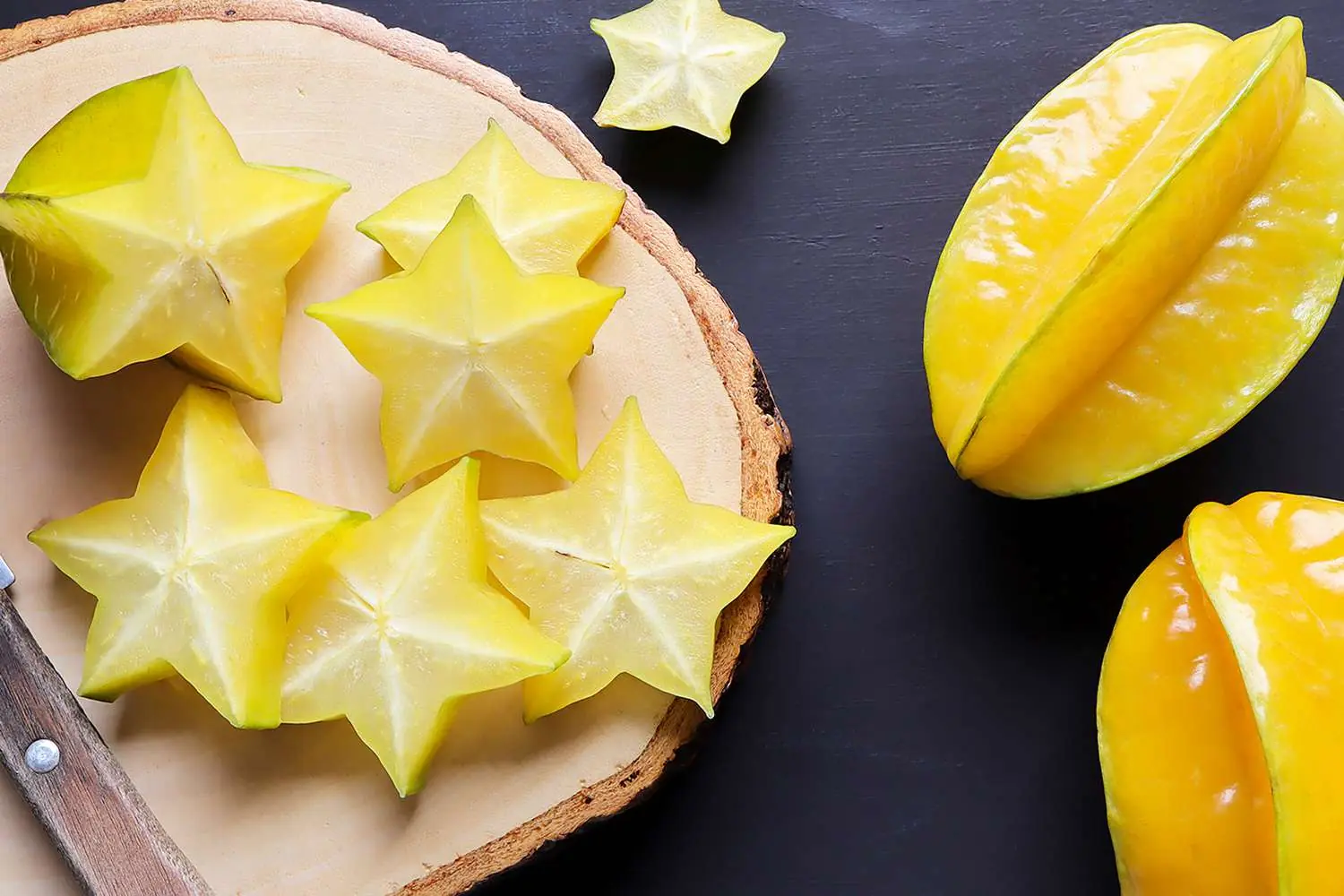
Carambola, commonly known as star fruit (Averrhoa carambola), is widely admired for its unique star-shaped slices and refreshing sweet-and-sour taste. While the fruit itself is popular in culinary use, far fewer people are aware that carambola leaves have long been valued in traditional medicine for their potential health-supporting properties.
For generations across Asia and tropical regions, carambola leaves have been used as a natural remedy to ease muscle discomfort, support digestive health, and complement cardiovascular well-being. Emerging scientific observations suggest that these leaves contain antioxidants, vitamin C, flavonoids, and bioactive compounds with mild anti-inflammatory and analgesic effects.
Traditional Benefits of Carambola Leaves
In traditional herbal practices, carambola leaves are primarily used in three key areas:
1. Relief from Muscle Pain and Inflammation
(back, neck, shoulders, and joints)
Carambola leaves are believed to contain compounds that provide:
- Mild analgesic (pain-relieving) effects
- Anti-inflammatory support
When used externally as a warm bath or poultice, they are traditionally applied to:
- Relax tense or overworked muscles
- Reduce stiffness and fatigue
- Alleviate discomfort after physical activity or long working hours
This makes them a popular folk option for people experiencing minor back pain, neck tension, or joint soreness.
2. Digestive and Stomach Support
In several traditional systems, carambola leaf extracts or decoctions are consumed to help relieve:
- Mild stomach discomfort
- Indigestion and bloating
- Occasional diarrhea or constipation
It is believed that the tannins and natural fiber in the leaves may help:
- Regulate intestinal movement
- Soothe the stomach lining
- Support smoother digestion
When used responsibly, the leaves are considered a gentle digestive aid rather than a harsh laxative.
3. Complementary Support for Cardiovascular Health
Under proper guidance, carambola leaves have also been used as a supportive herbal option for cardiovascular wellness. Traditionally, they are believed to help with:
- Promoting healthy blood circulation
- Reducing overall body tension
- Providing antioxidants that protect cells from oxidative stress
While carambola leaves do not replace medical treatment, some people incorporate them into a balanced lifestyle focused on heart health, stress management, and nutrition.
Main Recipe: Carambola Leaf Decoction
The most common way to use carambola leaves is by preparing a decoction, which involves simmering the leaves to extract their beneficial compounds.
Ingredients
- 10–15 fresh carambola leaves, thoroughly washed
- 1 liter of clean water
Preparation Steps
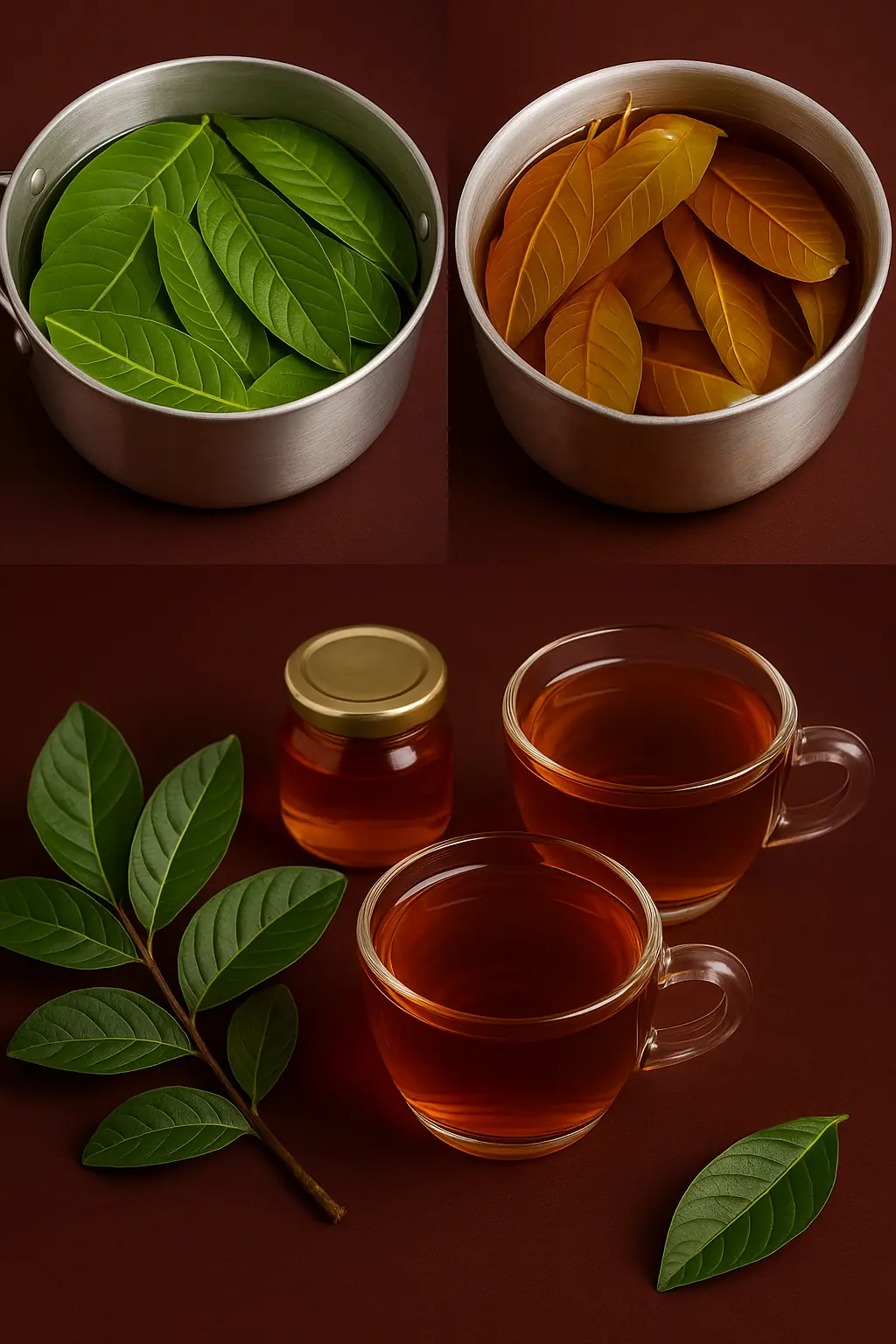
- Boil the Water
Bring 1 liter of water to a rolling boil. - Add the Leaves
Once boiling, add the washed carambola leaves to the pot. - Simmer Slowly
Reduce the heat to medium-low and simmer gently for 20–30 minutes.
You will notice the water gradually turning a dark green, indicating a concentrated infusion. - Strain and Cool
Remove from heat, strain out the leaves, and allow the liquid to cool slightly.
Internal Consumption Guidelines
- Drink 1 warm cup, up to 2 times per day
- Use for short periods only, and carefully observe how your body responds
Recipe #2: Soothing Bath and Anti-Inflammatory Poultice
Carambola leaves can also be used externally to relieve localized discomfort.
Ingredients
- The prepared decoction
- The strained, cooked leaves
Soothing Herbal Bath
- Pour the decoction into a tub of warm water
- Soak for 15–20 minutes, focusing on relaxing the back, neck, and legs
This method is commonly used to relieve stress and muscle fatigue.
Poultice for Localized Pain
- Take the cooked, still-warm leaves
- Crush or mash them into a smooth paste
- Place the paste onto a clean cloth or gauze
- Apply to the affected area for 15–20 minutes
Traditionally, this method is used to:
- Ease minor muscle pain
- Reduce localized inflammation
- Relax muscles strained by physical exertion or prolonged sitting
Important Warning: Kidney Health Considerations
Star fruit and its leaves contain oxalic acid and related compounds that may pose risks for individuals with:
- Chronic kidney disease
- Kidney failure
- A history of kidney stones
If you fall into any of these categories:
- Do not consume carambola fruit or leaves without consulting a healthcare professional
- Oxalates may worsen kidney function in sensitive individuals
Additionally:

- Do not use carambola leaves as a replacement for prescribed medication
- Seek medical attention if you experience severe pain, swelling, urinary changes, or unusual fatigue
News in the same category


Banana Blossom: Health Benefits, Recipes, and Traditional Uses

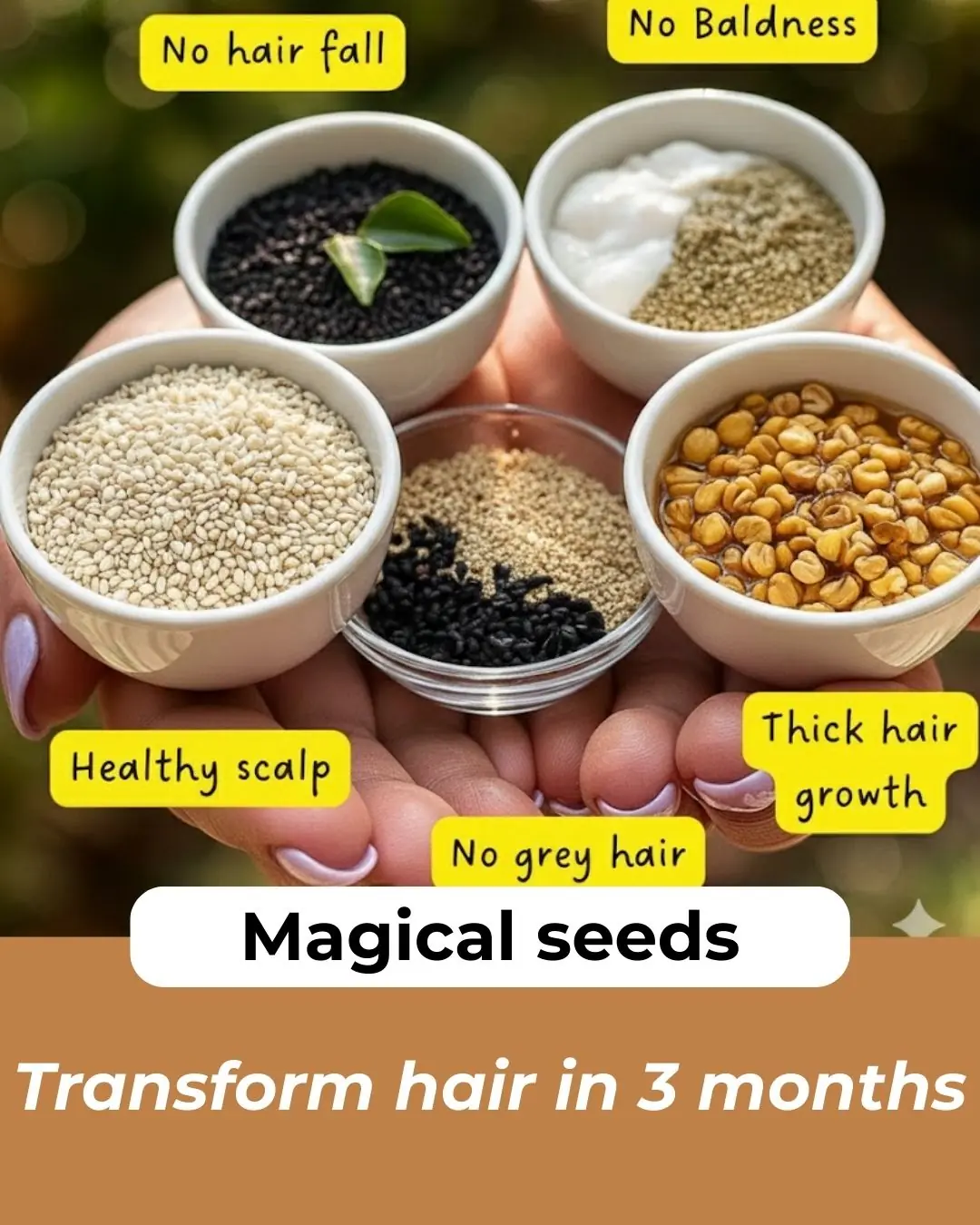
Best Seeds For Hair

Add This in Your Hair Oil

Turmeric Black Seed Oil For Grey Hair

Clove Lemon Rosewater Age Reversal Toner: For Young, Glowing Skin

15 Best Skin Gels for Glowing Skin & Wrinkles

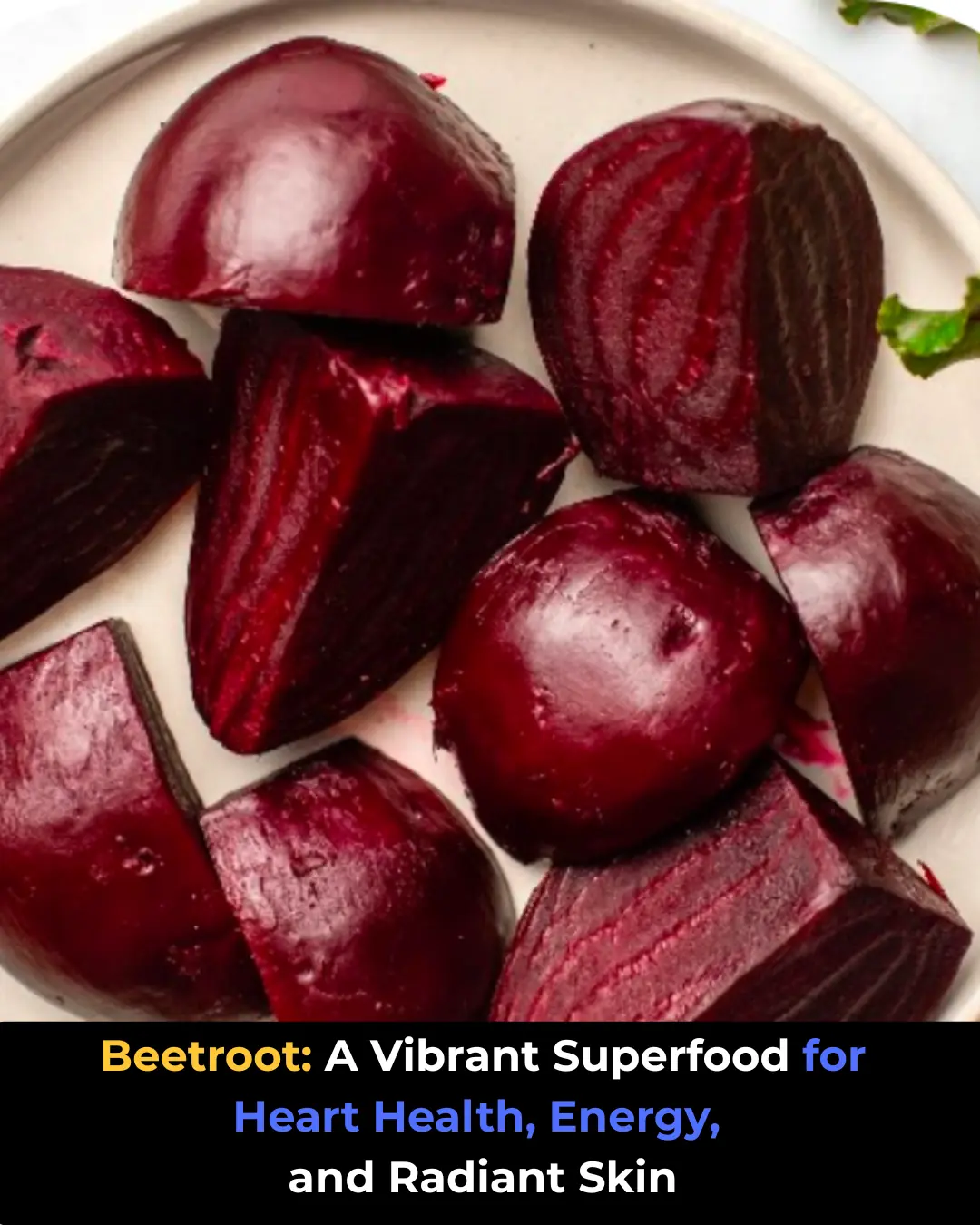
The Ultimate Guide to Beetroot: Benefits, Uses, and Creative Ways to Enjoy It

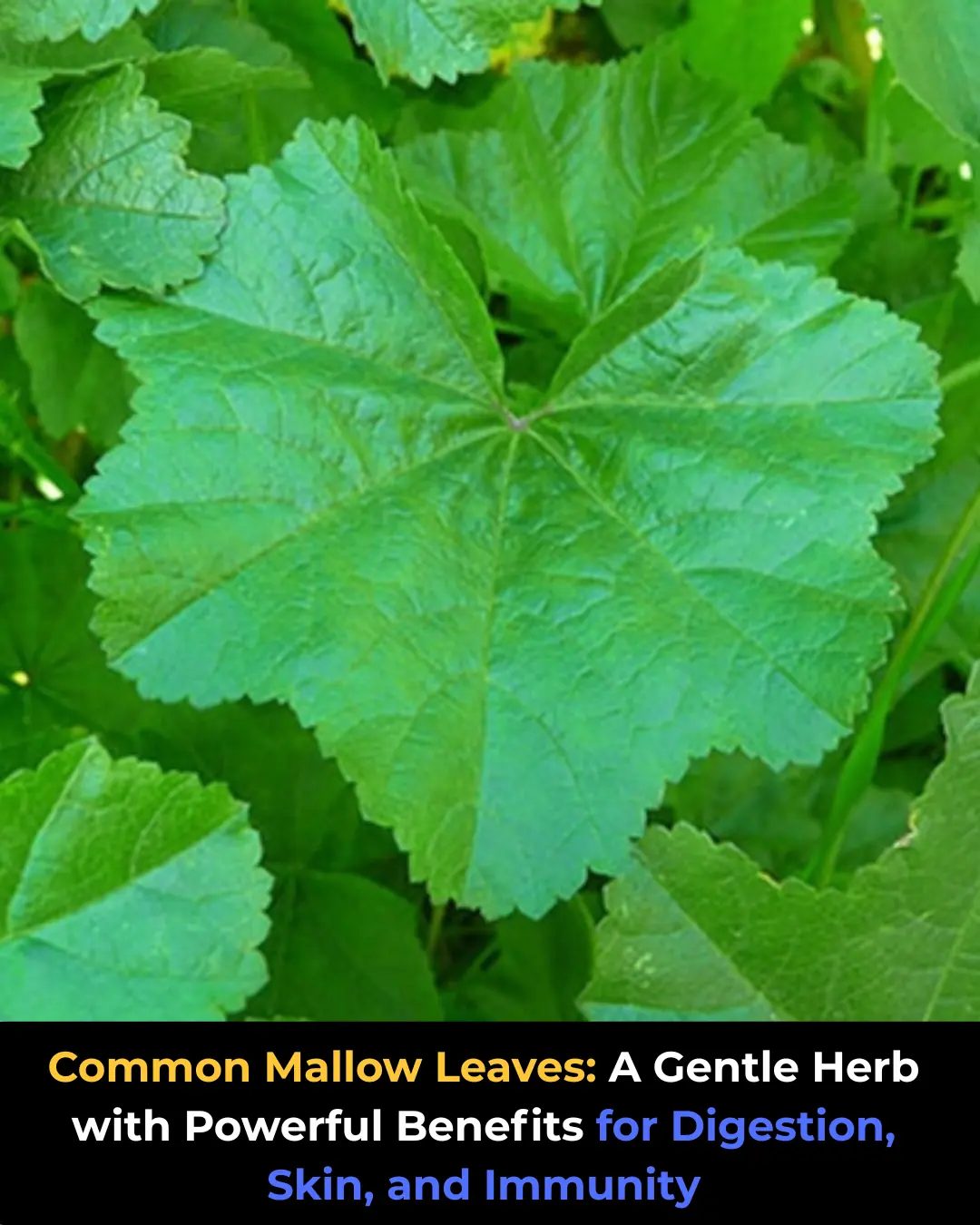
Unveiling the Green Marvel: The Top Health Benefits of Common Mallow Leaves

Beetroot Face Gel for Clear, Rosy Skin: A Natural DIY Remedy for Pink Blushing Cheeks

Discover natural and easy ways to whiten your teeth at home using ingredients you already have—find the full guide in the comments!

Natural Remedies for Long Eyelash Growth: DIY Eyelash Oils & Serums for Stronger, Thicker Lashes

Tomato Benefits for Skin: Simple DIY Recipes for Glowing, Healthy Skin

DIY Aloe Vera Oil for Hair Growth: Achieve Thick, Healthy Hair Naturally

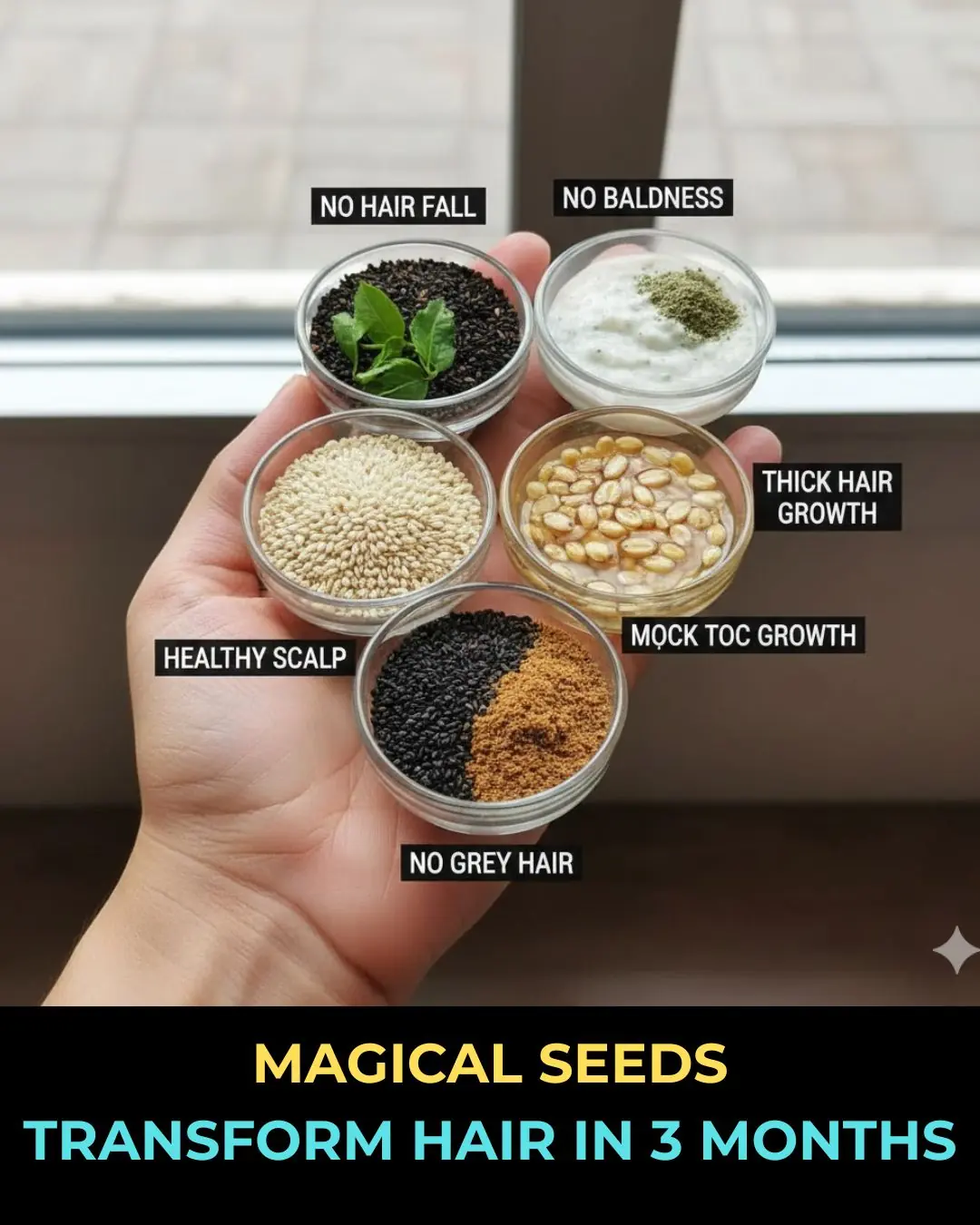
Best Seeds for Hair Growth: Natural Remedies for Strong, Shiny Hair

Create Your Own Hair Tonic: Add These Natural Ingredients to Your Hair Oil

Clove, Flaxseed, and Rose Water Toner: A Natural Alternative to Botox

Turmeric and Black Seed Oil: A Natural Remedy for Grey Hair

Okra Botox Gel: A Natural Solution to Reverse Skin Aging
News Post

25 Remarkable Benefits of Guava Leaves and How to Use Them Safely

Study Finds This Popular Sweetener Damages the Brain’s Protective Barrier

Study Finds a Mother’s Early Bond With Her Baby Can Shape a Child’s Sleep for Years

Gramma the Tortoise: A Remarkable Life Spanning Three Centuries

California Surpasses Japan to Become the Fourth-Largest Economy in the World

Why Aging Skin Develops a Distinct Body Odor—and What Science Says Can Help

Photographer Captures Dream Shot of Full Moon Over Christ the Redeemer After Three Years of Effort

China Successfully Tests 3D-Printed Micro Turbojet Engine in Landmark Flight Achievement

Swiss Researchers Trial Blood Filtration Device for Alzheimer's Treatment

Bear Takes Over Truckee Diner in Hilarious Culinary Heist

Many people believe they need to walk ten thousand steps daily to stay healthy

The Quieting Skies: A Stark Decline in North America's Bird Population

Does This Drink Really Harm Your Bones? The Truth Behind Soda and Your Health

Oregano: The Small Plant with Big Health Benefits

Sea Otter Takes Over Santa Cruz Surf Scene: A Bold and Unpredictable Presence

Australia's Revolutionary Bionic Eye: A New Era in Restoring Vision

10 Best Collagen Gels For Wrinkle Free Glowing Skin

Why You Might Want to Stop Removing Tomato Suckers: What Gardeners Are Starting to Realize

Banana Blossom: Health Benefits, Recipes, and Traditional Uses