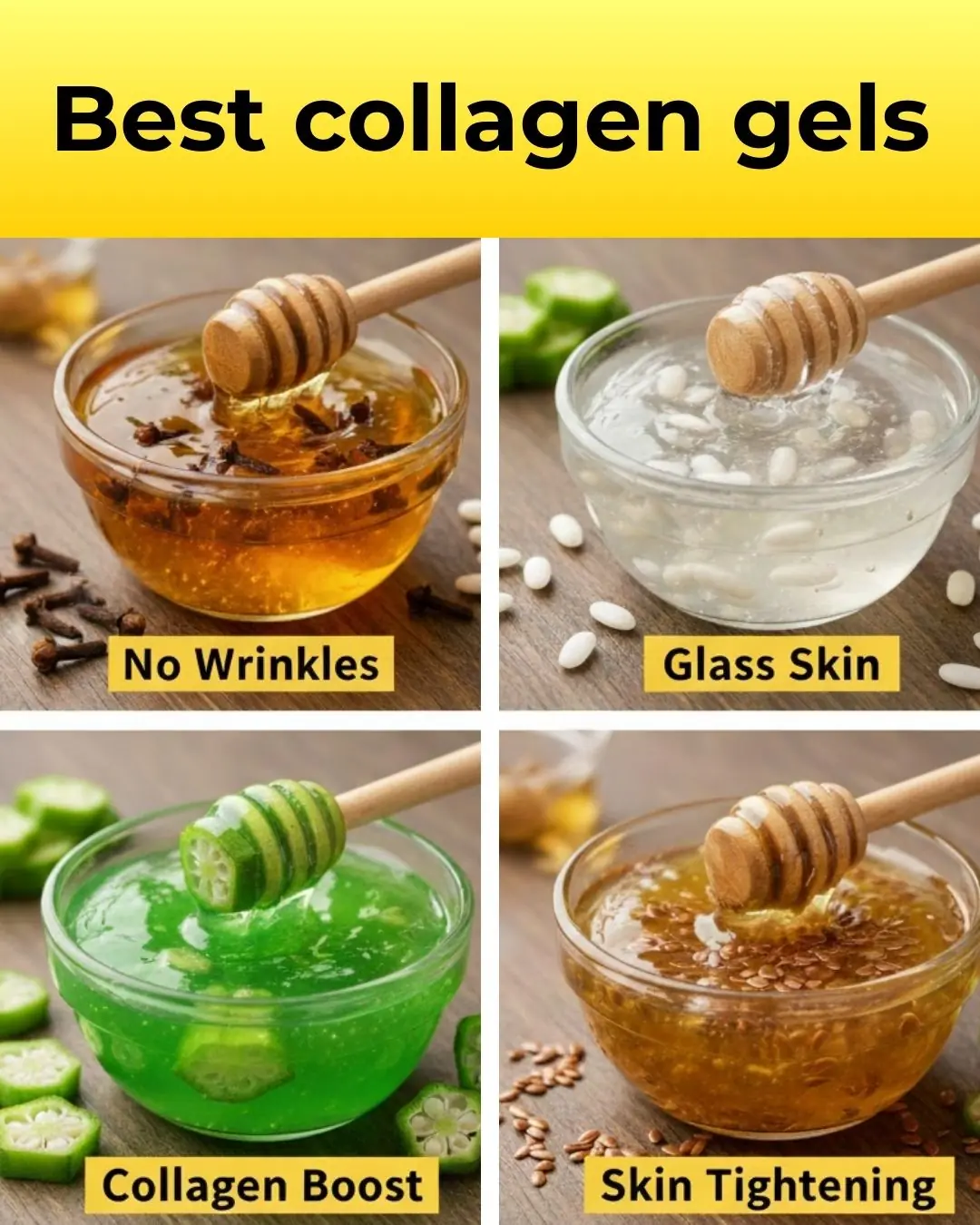
10 Best Collagen Gels For Wrinkle Free Glowing Skin
Beatuty Tips 15/12/2025 23:34
Beetroot, instantly recognizable by its deep ruby-red color, is far more than a visually striking vegetable. For centuries, it has been valued in traditional medicine, culinary traditions, and even natural beauty rituals. Today, modern nutrition science confirms what ancient cultures already knew: beetroot is a nutrient-dense superfood that supports heart health, digestion, immunity, skin vitality, and overall wellness.
Rich in vitamins, minerals, antioxidants, and unique plant compounds, beetroot can be enjoyed in countless ways—from simple salads and juices to skincare treatments and natural dyes. This comprehensive guide explores beetroot’s health benefits, how to consume it, and creative uses that go beyond the kitchen.
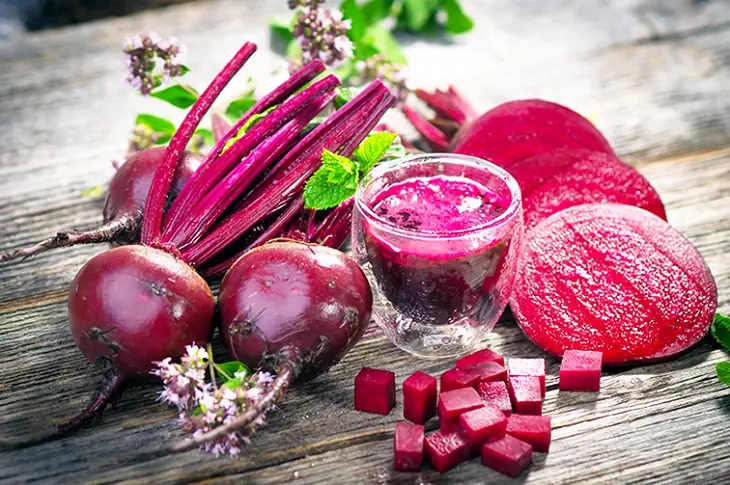
Beetroot is naturally high in dietary nitrates, which the body converts into nitric oxide. This compound helps relax and widen blood vessels, improving circulation and supporting healthy blood pressure levels. Regular beetroot consumption has been linked to better cardiovascular function and reduced strain on the heart.
Because nitric oxide improves oxygen delivery to muscles, beetroot is a favorite among athletes and active individuals. Drinking beetroot juice before workouts may increase endurance, delay fatigue, and enhance overall physical performance—making it a natural pre-workout booster.
Beetroot is rich in dietary fiber, which supports regular bowel movements, feeds beneficial gut bacteria, and helps prevent constipation. A healthy digestive system also contributes to better nutrient absorption and immune balance.
The betalains responsible for beetroot’s vibrant color also play a role in supporting liver detoxification pathways. These compounds help the body neutralize toxins and reduce oxidative stress, supporting overall metabolic health.
Packed with vitamin C, iron, zinc, and antioxidants, beetroot supports immune defenses by enhancing white blood cell function and reducing inflammation caused by free radicals.
By improving blood flow, beetroot may also enhance oxygen delivery to the brain. This improved circulation is associated with better focus, cognitive performance, and may help lower the risk of age-related cognitive decline.
Beetroot contains powerful anti-inflammatory compounds that help calm chronic inflammation, which is linked to conditions such as heart disease, arthritis, and metabolic disorders.
The vitamins and antioxidants in beetroot help hydrate the skin, improve elasticity, and reduce signs of premature aging such as fine lines and pigmentation. When consumed regularly, beetroot supports skin health from the inside out.
Despite its natural sweetness, beetroot has a relatively low glycemic index. When eaten in moderation, it supports stable blood sugar levels and may help reduce insulin spikes.
Beetroot is an excellent source of folate, potassium, manganese, and iron—nutrients that support bone strength, muscle function, oxygen transport, and overall vitality.
Grate raw beetroot into salads or slaws for a crunchy, nutrient-rich addition.
Blend beetroot with apples, carrots, lemon, or ginger for a refreshing juice that supports detoxification and energy levels.
Roasting beetroot with olive oil and herbs enhances its natural sweetness and creates a caramelized, satisfying side dish.
Beetroot adds color, depth, and nutrition to soups like borscht or hearty vegetable stews.
Pickled beetroot preserved in vinegar and spices makes a tangy, gut-friendly accompaniment to meals.
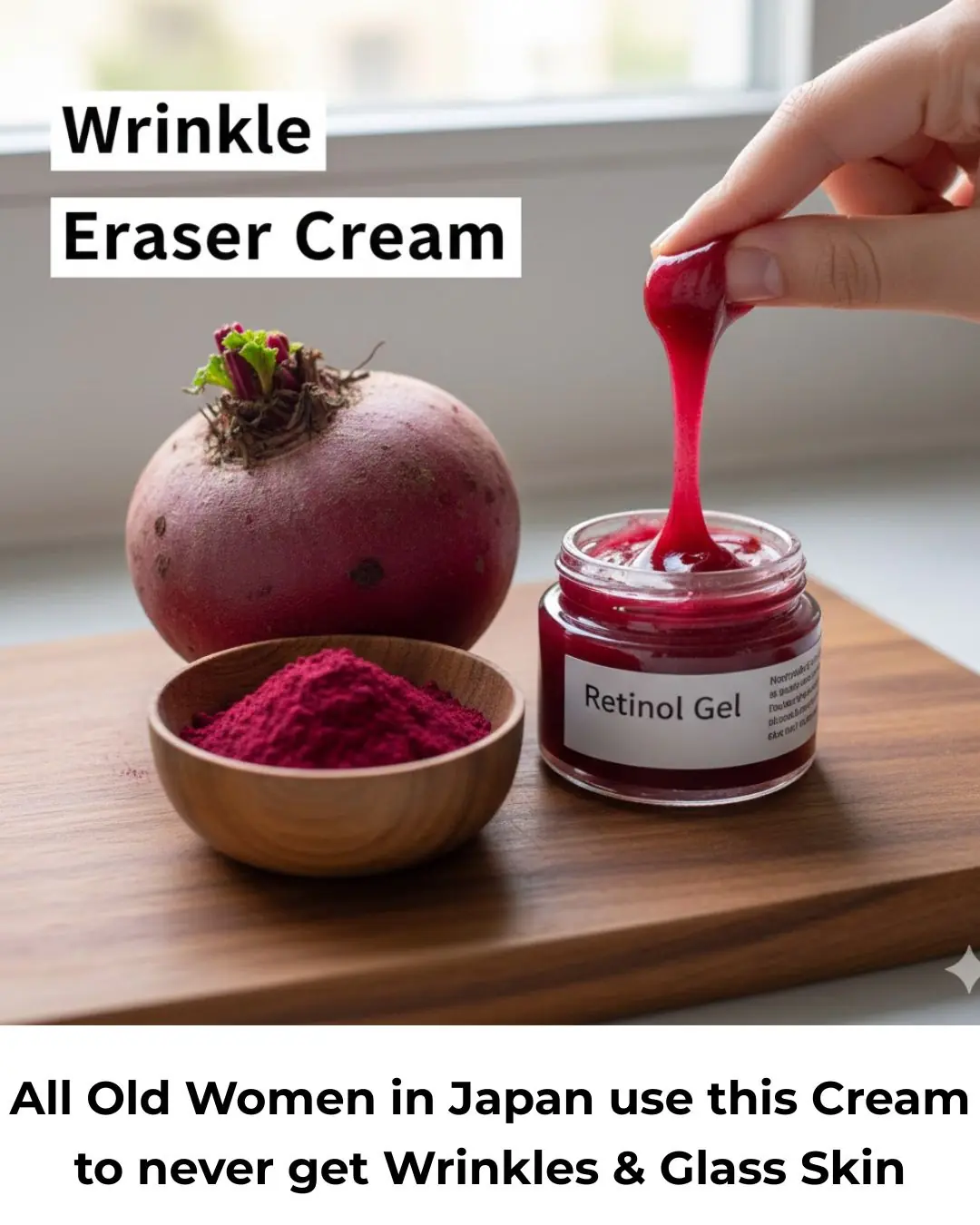
Beetroot powder can be made by dehydrating thin slices and grinding them into a fine powder. It’s perfect for smoothies, baking, soups, or as a natural food coloring.
Beetroot’s antioxidant and vitamin content makes it popular in natural beauty care.
Hydrating Anti-Aging Cream
Ingredients:
2 tablespoons beetroot juice
70 ml rose water
1 tablespoon cornstarch
Flaxseed gel
Sweet almond oil
Jojoba oil
Vitamin E oil
Instructions:
Heat and mix ingredients until creamy. Apply to the face, neck, and décolleté three times a week for firmer, hydrated skin.
Skin-Brightening Mask
Ingredients:
3 teaspoons beet juice
3 teaspoons yogurt
1 teaspoon rice flour
Apply for 30 minutes, then rinse for refreshed, radiant skin.
Beetroot Powder
Dehydrate thin slices in an air fryer or oven, grind into powder, and store in an airtight container. Properly stored, beetroot powder can last up to a year in the refrigerator.
Beetroot juice can be mixed with henna or massaged into the scalp to support hair growth, improve scalp health, and reduce dandruff.
Thanks to its intense color, beetroot can be used as a natural dye for fabrics, candles, soaps, and homemade cosmetics.
While beetroot is generally safe, excessive consumption may cause beeturia, a harmless condition where urine or stool turns pink or red. Individuals prone to kidney stones should consult a healthcare professional due to beetroot’s oxalate content. Always perform a patch test before using beetroot-based skincare products.
Beetroot is a versatile, affordable, and nutrient-rich superfood that supports health, beauty, and creativity. Whether you enjoy it raw, juiced, roasted, powdered, or applied topically, beetroot offers a natural way to nourish your body and elevate your daily routine.