10 Best Collagen Gels For Wrinkle Free Glowing Skin
Beatuty Tips 15/12/2025 23:34
Among the vast world of medicinal plants and natural remedies, common mallow (Malva neglecta and Malva sylvestris) stands out as a gentle yet powerful herb that has been quietly used for centuries. Often overlooked as a roadside weed, this humble plant is actually rich in soothing compounds, antioxidants, and essential minerals that support multiple systems in the body.
Used in traditional medicine across Europe, Asia, and the Middle East, common mallow leaves are prized for their calming effects on digestion, skin, and respiratory health. Modern research is beginning to confirm what ancient healers already knew: this green marvel deserves a place in today’s wellness routines.
Below are the most important science-backed and traditional benefits of common mallow leaves, along with practical ways to use them safely.
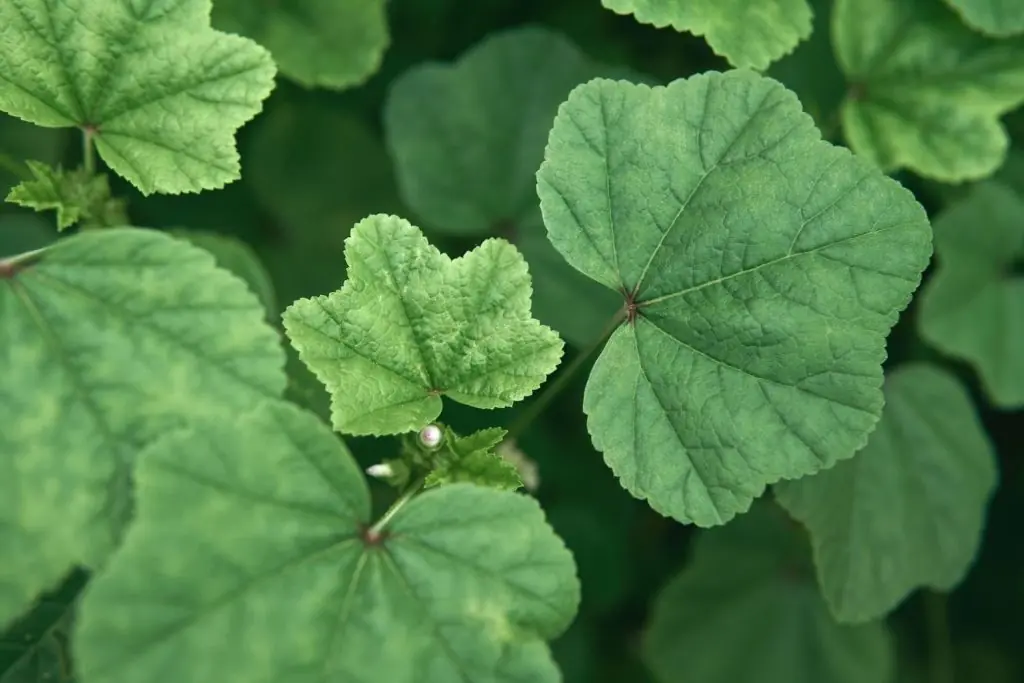
One of the most celebrated properties of common mallow leaves is their high mucilage content. Mucilage is a gel-like substance that coats and protects the lining of the digestive tract.
This natural barrier helps:
Calm irritation and inflammation
Ease stomach discomfort
Protect sensitive gut tissues
As a result, mallow leaves are often used to relieve gastritis, acid reflux, mild ulcers, and irritable bowel symptoms. They are especially helpful for people with sensitive digestion or chronic inflammation of the gut.
Common mallow leaves contain flavonoids and phenolic compounds known for their anti-inflammatory effects. These compounds help reduce swelling and discomfort both internally and externally.
Traditionally, mallow has been used to:
Ease joint stiffness and arthritis pain
Relieve muscle soreness
Calm inflamed tissues after illness or injury
Because of its gentle action, it is suitable for long-term use when guided by proper dosage.
Rich in antioxidants such as vitamin C, vitamin A, and polyphenols, common mallow leaves help protect the body against oxidative stress.
These nutrients:
Neutralize harmful free radicals
Support immune cell function
Enhance the body’s natural defense mechanisms
Regular consumption may help reduce susceptibility to infections and support recovery during seasonal illnesses.
Mallow leaves have long been used as a respiratory soother, especially in the form of herbal tea.
Thanks to their mucilage:
They coat and calm irritated throat tissues
Reduce dry coughing
Ease bronchial irritation
They are commonly used for sore throats, hoarseness, mild bronchitis, and dry coughs caused by environmental irritation or colds.
Common mallow acts as a mild natural diuretic, gently encouraging urine flow without irritating the kidneys.
This action may:
Support bladder health
Help flush toxins from the urinary tract
Reduce the risk of mild urinary discomfort
It has traditionally been used as a supportive remedy for urinary irritation and fluid retention.
When applied topically, mallow leaf extracts offer impressive skin-soothing benefits.
They may help:
Calm redness and irritation
Support wound healing
Relieve itching associated with eczema and psoriasis
The plant’s antimicrobial and anti-inflammatory properties make it particularly useful for sensitive or inflamed skin conditions.
Emerging evidence suggests that common mallow may support cardiovascular wellness through its antioxidant and phytonutrient content.
Potential benefits include:
Supporting healthy blood pressure levels
Helping reduce oxidative stress linked to heart disease
Contributing to healthier cholesterol balance
While not a replacement for medical treatment, it may be a beneficial addition to a heart-conscious lifestyle.
Despite its delicate appearance, common mallow leaves are packed with essential minerals, including:
Calcium for bone strength
Magnesium for muscle and nerve function
Iron for healthy blood
Potassium for fluid balance and heart rhythm
These nutrients contribute to overall cellular health and energy balance.
Preliminary laboratory studies suggest that certain phytochemicals in mallow leaves may have anti-cancer potential, particularly due to their antioxidant activity.
While research is still limited and ongoing, these findings highlight the plant’s promise as a supportive, protective food rather than a treatment.
Low in calories but rich in dietary fiber, common mallow leaves promote fullness and digestive regularity.
Fiber helps:
Reduce overeating
Stabilize blood sugar levels
Support gut health
This makes mallow leaves a valuable addition to balanced, plant-forward diets.
Fresh or cooked mallow leaves have a mild, slightly sweet flavor. They can be:
Added to salads
Cooked into soups and stews
Sautéed with garlic and olive oil
Blended into smoothies for added nutrients
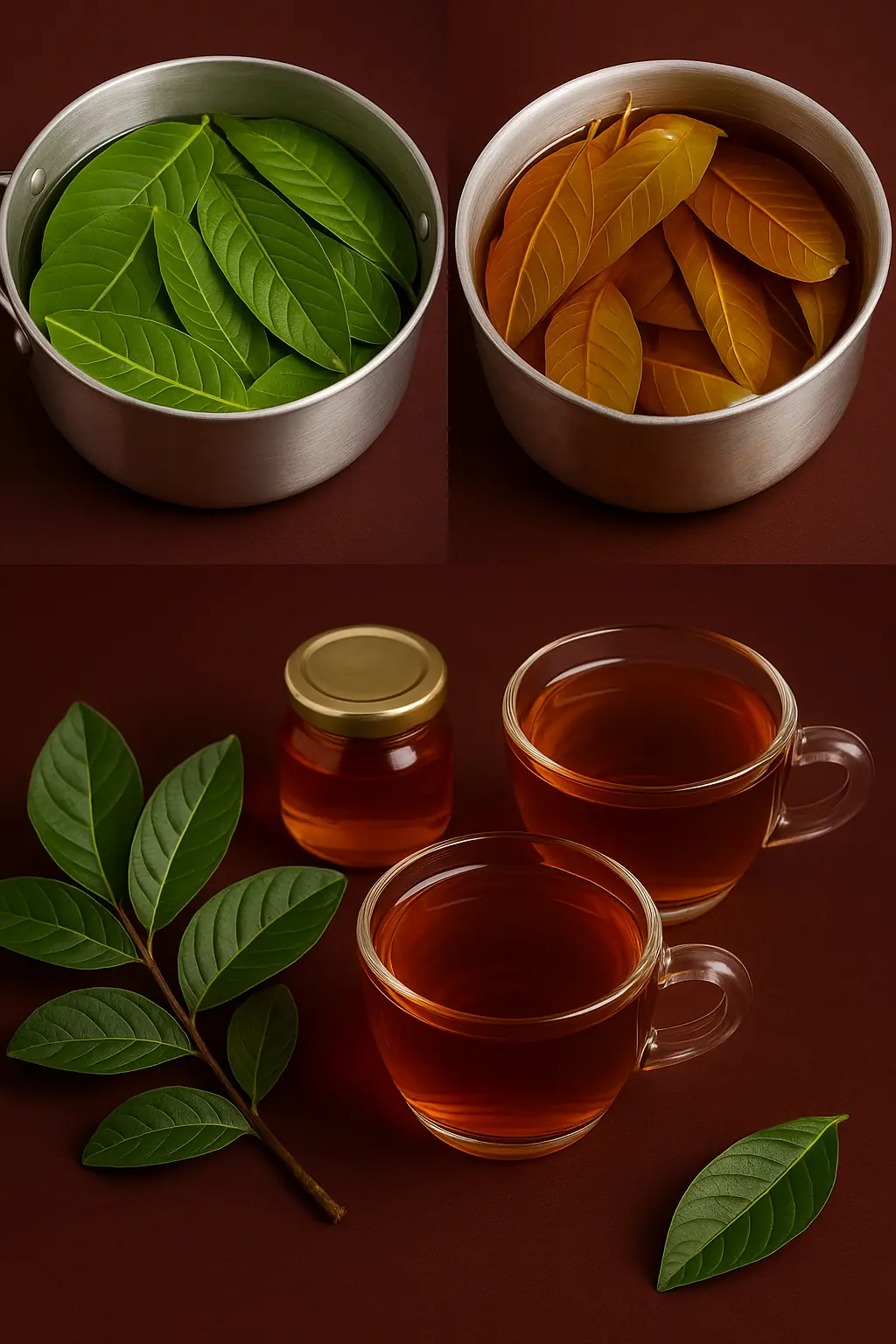
Steep dried or fresh leaves in hot water for 10 minutes to create a soothing tea that supports digestion, immunity, and respiratory health.
Crushed fresh leaves can be applied as a poultice to irritated skin. Extracts are also commonly used in creams and balms for dry or sensitive skin.
While common mallow is generally safe, it’s wise to consult a healthcare professional if you:
Are pregnant or breastfeeding
Take prescription medications
Manage a chronic health condition
Used thoughtfully, this ancient herb can be a gentle yet powerful ally in a holistic approach to health.
Common mallow is far more than a wild plant—it is a versatile medicinal herb with benefits ranging from digestive soothing and skin healing to immune and heart support. Embracing this traditional remedy may help you reconnect with nature’s quiet but effective healing tools.