Giant Pandas Officially Move Off the Endangered Species List: A Historic Conservation Triumph
Facts 17/12/2025 23:58
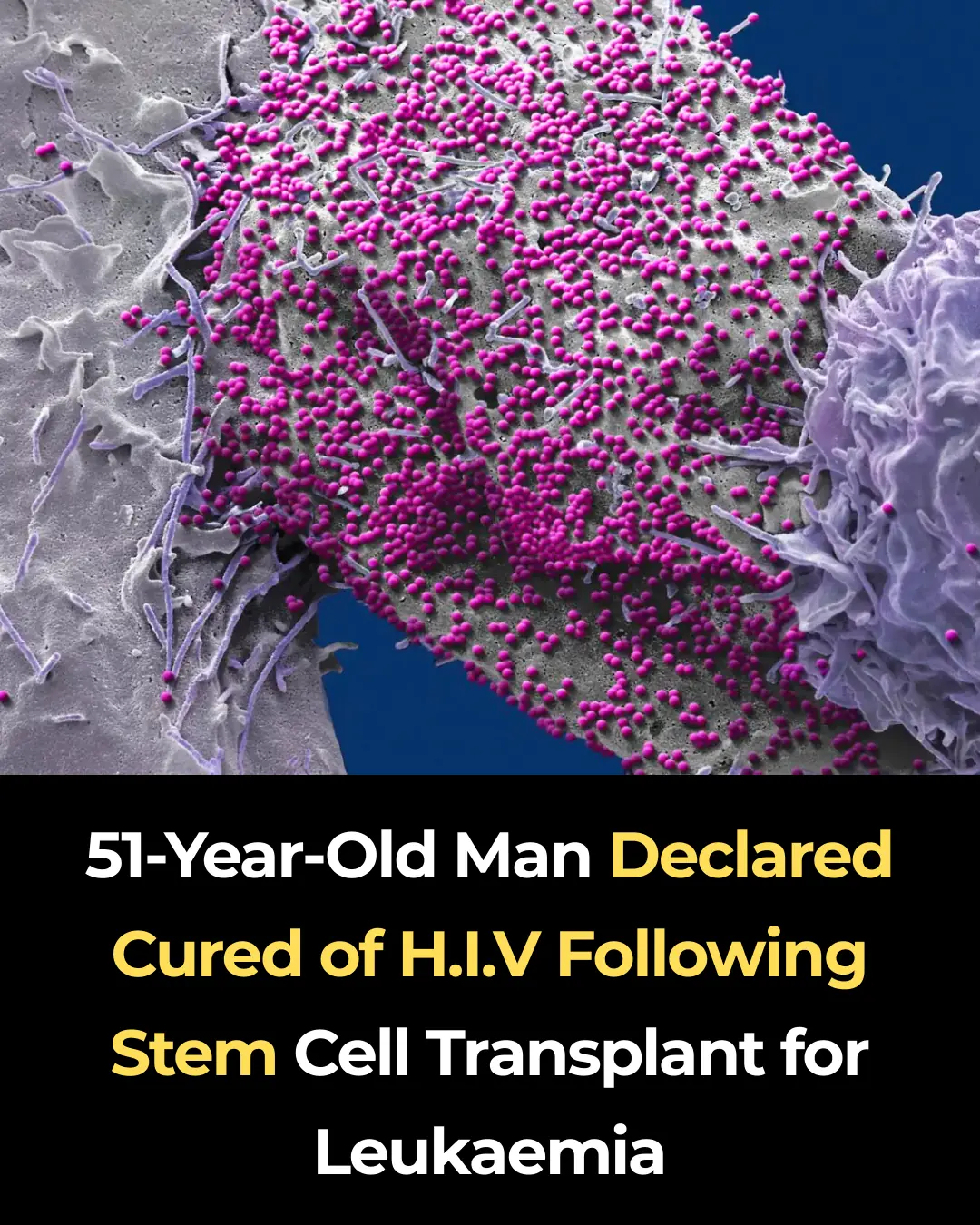
For the first time in decades, researchers at the University of California, San Francisco (UCSF) have discovered early signs that a long-term functional cure for HIV may be achievable. This breakthrough comes after a small-scale study tested a novel combination of therapies to determine whether people living with HIV could manage the virus without relying on antiretroviral therapy (ART)—the standard treatment that requires lifelong daily medication. The results of this study are considered a groundbreaking step forward in HIV research, offering hope for the possibility of functional cures in the future.
In this groundbreaking research, UCSF scientists explored a combination treatment strategy involving an HIV vaccine, broadly neutralizing antibodies, and immune-activating drugs. The primary aim of the study was to test whether this combination could enable individuals to control HIV viral loads without the need for continuous ART. The participants of the study were first stabilized on ART, and after reaching viral suppression, they were then stopped from their daily treatment regimen to observe how their bodies would respond to the combination therapy.
This approach targets latent HIV reservoirs, which are the primary cause of HIV's persistence despite effective ART. These reservoirs consist of infected cells in the body where the virus can remain hidden for years, evading both the immune system and antiretroviral drugs. By addressing these hidden reservoirs and strengthening the body’s immune response, the treatment strategy aims to enhance the body’s natural ability to control the virus without the need for lifelong ART.
Out of the ten participants in the study, seven individuals successfully maintained low viral levels for months after stopping ART. One individual even managed to control their viral load for over 18 months, without any additional treatment. These results suggest that the combination therapy may help the immune system sustain control over the virus, potentially offering an alternative to lifelong reliance on ART.
While the study sample was small, the results are significant. The fact that some participants were able to control their HIV levels for extended periods without the need for ART demonstrates a remarkable potential for long-term management of the virus. The researchers are cautious about the early nature of the findings, but the results are considered an encouraging step toward developing treatments that could allow people with HIV to live healthier, longer lives without the need for daily medication.
A critical aspect of the treatment approach lies in its focus on hidden HIV reservoirs. These reservoirs are established in certain immune cells and tissues, where HIV can remain dormant and undetected by both the immune system and ART. Despite the effectiveness of ART in preventing the virus from replicating, it has not been able to fully eradicate these hidden reservoirs.
The new combination therapy aims to activate the immune system to recognize and eliminate these reservoirs. By using immune-activating drugs and broadly neutralizing antibodies, the treatment stimulates the immune response to target and destroy these dormant HIV-infected cells. This approach represents a significant departure from traditional ART, which only works to prevent the virus from replicating in the bloodstream and does not address the virus hiding in these reservoirs.
Although these results are still in their early stages, they represent a promising leap forward in the quest for a functional HIV cure. Historically, finding a cure for HIV has been elusive due to the virus’s ability to hide in latent reservoirs, making it resistant to standard treatments. However, recent advances, including the approach used in this study, show that it may be possible to reprogram the immune system to fight HIV more effectively and sustainably.
Researchers are optimistic that with further studies and larger clinical trials, this combination approach could lead to a functional cure—a scenario where people with HIV can control the virus without needing to take daily ART. A functional cure would significantly improve the quality of life for individuals living with HIV, reducing the burden of constant medication and healthcare management. It could also reduce the stigma associated with HIV, as people would no longer need to disclose their HIV status or take lifelong treatment.
However, experts caution that much more research is needed before this treatment approach can be widely implemented. Long-term studies are required to evaluate the durability of the response and to confirm whether the virus remains under control for years after ART cessation. Moreover, the safety and efficacy of the combination therapy need to be tested in larger, more diverse populations.
This study adds to the growing body of research aimed at finding a cure or long-term functional treatment for HIV. It underscores the importance of innovative therapeutic strategies that go beyond traditional ART, such as using immune modulation, gene editing, and reservoir-targeting therapies. If further research confirms the results of this initial study, it could represent a paradigm shift in how HIV is treated, offering new hope for millions of people living with HIV worldwide.
The potential for long-term HIV control without daily medication could be a game-changer in global efforts to combat the epidemic, ultimately contributing to efforts to end AIDS as a public health threat.
While it is still too early to declare a definitive cure for HIV, the findings of this study mark a significant step toward the development of long-term HIV control strategies. If further research validates these early results, the combination therapy could pave the way for a functional HIV cure, allowing individuals to live without the constant need for ART. These promising results offer hope for the future of HIV treatment, potentially transforming the lives of millions of people living with the virus and moving closer to a world where HIV is no longer a lifelong condition.