Russian Scientists Revive Ancient Rotifers from Siberian Permafrost: A Breakthrough in Cryobiology
In a remarkable scientific achievement, Russian researchers successfully extracted microscopic rotifers from a slice of Siberian permafrost, drilled from a depth of 11.5 feet underground. This frozen soil, which had been preserved in its deep state for approximately 24,000 years since the Pleistocene epoch, contained these ancient organisms that had remained dormant and intact throughout the millennia.
The rotifers were carefully thawed in a controlled lab environment, where the scientists observed the revival process. Within days of being reawakened, the rotifers began to move again and even resumed asexual reproduction, producing genetic clones of themselves. This extraordinary ability to come back to life after thousands of years has fascinated scientists, shedding light on the potential of life forms to survive extreme conditions over long periods.
The key to this revival lies in a process known as cryptobiosis. This state of suspended animation allows organisms to survive extreme environments by completely shutting down their metabolism. During this state, protective proteins help preserve the cells, even under freezing conditions that would normally be lethal. Cryptobiosis essentially acts as a form of biological preservation, allowing life to endure when normal metabolic functions are halted.
Lead researcher Stas Malavin elaborated that cryptobiosis enables organisms to recover and resume normal activity once environmental conditions improve, which in this case, allowed the rotifers to revive after 24,000 years of dormancy. This breakthrough in understanding the mechanics of cryptobiosis has opened up new possibilities for biological research, particularly in the field of cryobiology, which studies the effects of low temperatures on living organisms.
The implications of this study are vast. While direct applications to humans are still far from reality, the research could lead to advancements in long-term biological preservation methods, potentially improving everything from organ storage to space exploration. The ability to preserve life over extended periods without degradation holds promise for a future where biological systems could endure harsh conditions, both on Earth and beyond.
Cryptobiosis has been observed in various organisms, including certain bacteria, nematodes, and tardigrades, but the revival of rotifers from such an ancient, frozen state represents a groundbreaking leap in our understanding of life's resilience and potential. The research continues to highlight the adaptability of life forms to extreme environmental conditions, reinforcing the idea that life can persist even in the most inhospitable environments.
This discovery not only pushes the boundaries of cryobiology but also invites further exploration into the mechanisms that govern life and survival in extreme conditions, opening up exciting new avenues for both basic science and practical applications.

News in the same category


Mexico City Passes Landmark Law Banning Violent Practices in Bullfighting: A Controversial Move Toward "Bullfighting Without Violence"

A Magical Bond: The Unlikely Friendship Between a Blind Dog and a Stray Cat in Wales

Chronic Gut and Metabolic Disorders May Signal Alzheimer’s and Parkinson’s Years in Advance

Syros Cats: A Sanctuary for Feline Rescue and Compassion in Greece

The World Bids Farewell to Bobi, the World's Oldest Dog, at the Age of 31

The Cost of a Trip to Tokyo Disney is Now Cheaper Than Going to Disney in Florida

Loss of Smell May Be One of the Earliest Warning Signs of Alzheimer’s Disease

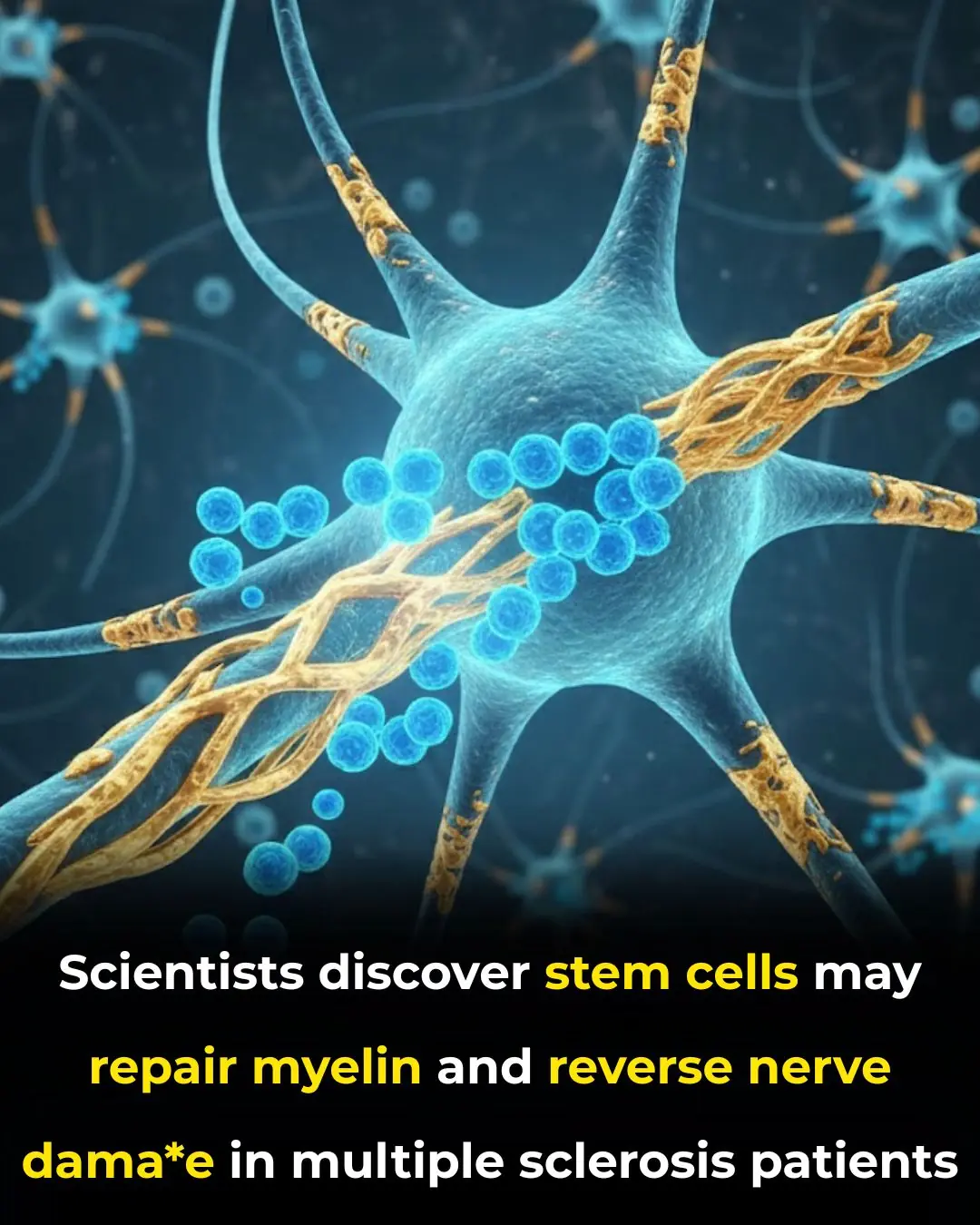
Groundbreaking Stem Cell Discovery Offers Hope for Rebuilding Myelin and Reversing Nerve Damage in Multiple Sclerosis

China Breaks Magnetic Field Record with Groundbreaking 351,000 Gauss Achievement

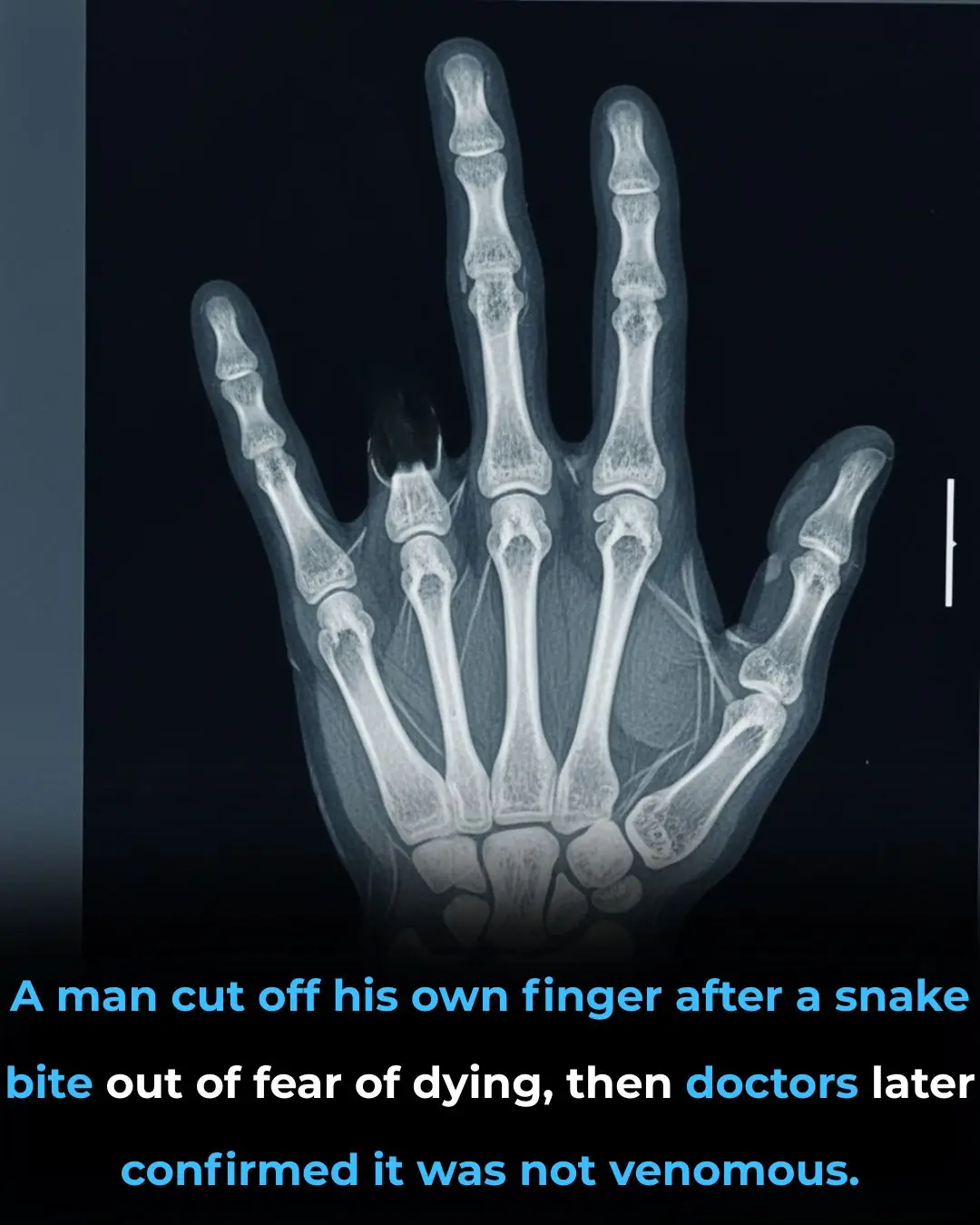
Man in China Cuts Off Finger After Snake Bite, Fearing Venomous Attack – Doctors Confirm It Was Harmless

New Study Reveals New York City is Sinking: A Growing Threat from Subsidence and Rising Seas

Russia Blocks Access to Roblox Amid Growing Crackdown on Foreign Tech and LGBTQ+ Content

Mercedes Launches Premium Strollers in Collaboration with Hartan, Targeting the Luxury Baby Gear Market

Promising Signs of a Potential Long-Term HIV Cure: A Breakthrough Study from UCSF

Japan Issues Tsunami Warning Following 7.6 Magnitude Offshore Earthquake

Elephant Burial Practices: A Deep and Emotional Connection to the Dead

China Dominates Research in 90% of Crucial Technologies, Leaving the US Leading in Only a Few Areas

Why Cats Leave Home and Don’t Return
News Post

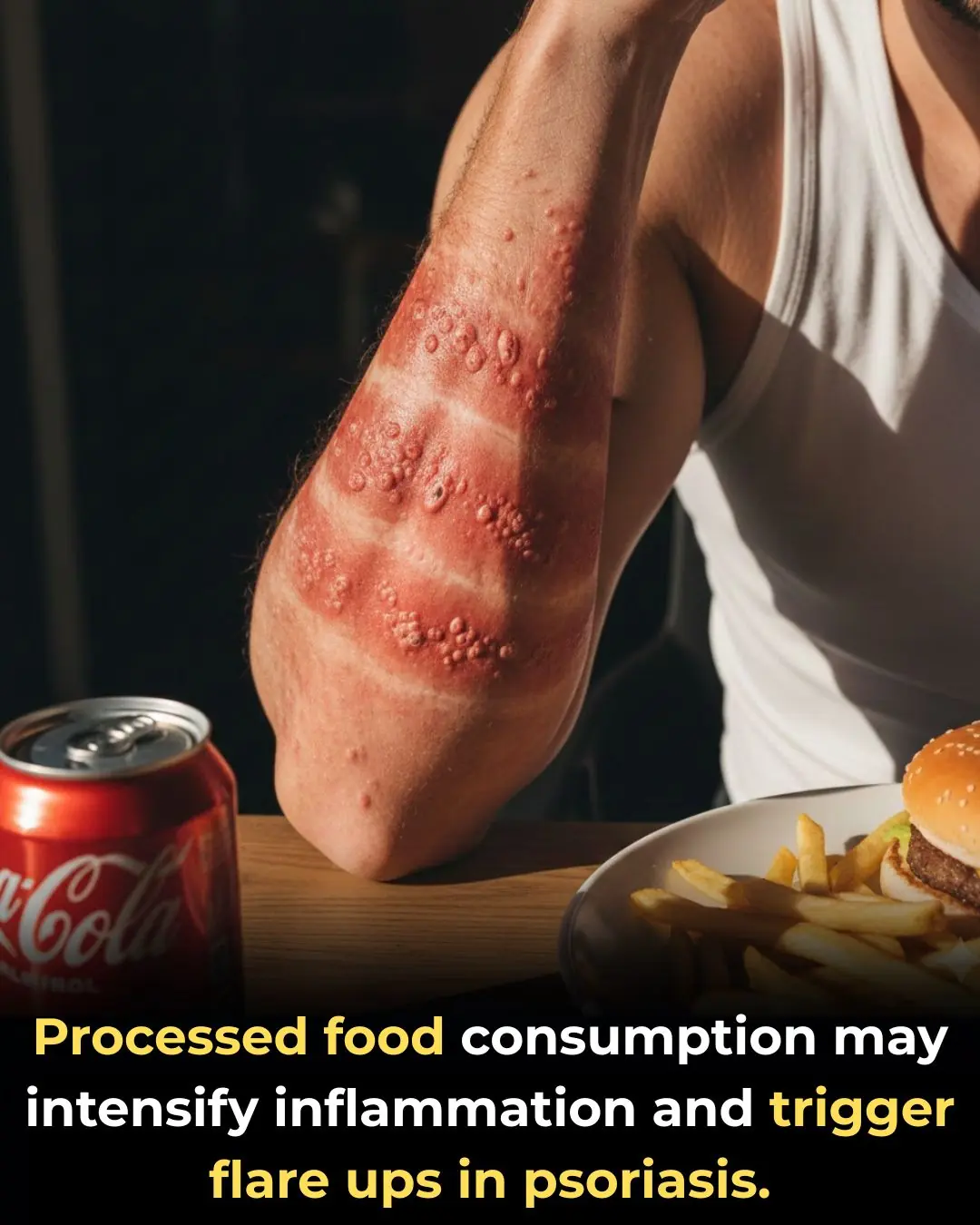
Ultra-Processed Foods Linked to Increased Psoriasis Flare-Ups, Study Finds

Giant Pandas Officially Move Off the Endangered Species List: A Historic Conservation Triumph

Twin Study Reveals Gut Microbiome's Role in Multiple Sclerosis Development

Mexico City Passes Landmark Law Banning Violent Practices in Bullfighting: A Controversial Move Toward "Bullfighting Without Violence"

World-First Breakthrough: Base-Edited Gene Therapy Reverses "Incurable" T-Cell Leukemia

Daily Tefillin Use Linked to Improved Blood Flow and Lower Inflammation

A Magical Bond: The Unlikely Friendship Between a Blind Dog and a Stray Cat in Wales

Daily Whole Orange Consumption Associated with 30% Reduction in Fatty Liver Prevalence

Phase I Trial: White Button Mushroom Powder Induces Long-Lasting PSA Responses in Prostate Cancer

Chronic Gut and Metabolic Disorders May Signal Alzheimer’s and Parkinson’s Years in Advance

Tea Supports Bone Density While High Coffee Intake Linked to Bone Loss in Older Women

Syros Cats: A Sanctuary for Feline Rescue and Compassion in Greece

Rapamycin Reduces Lung Tumor Count by Up to 90% in Tobacco-Exposed Models

51-Year-Old Man Declared Cured of HIV Following Stem Cell Transplant for Leukaemia

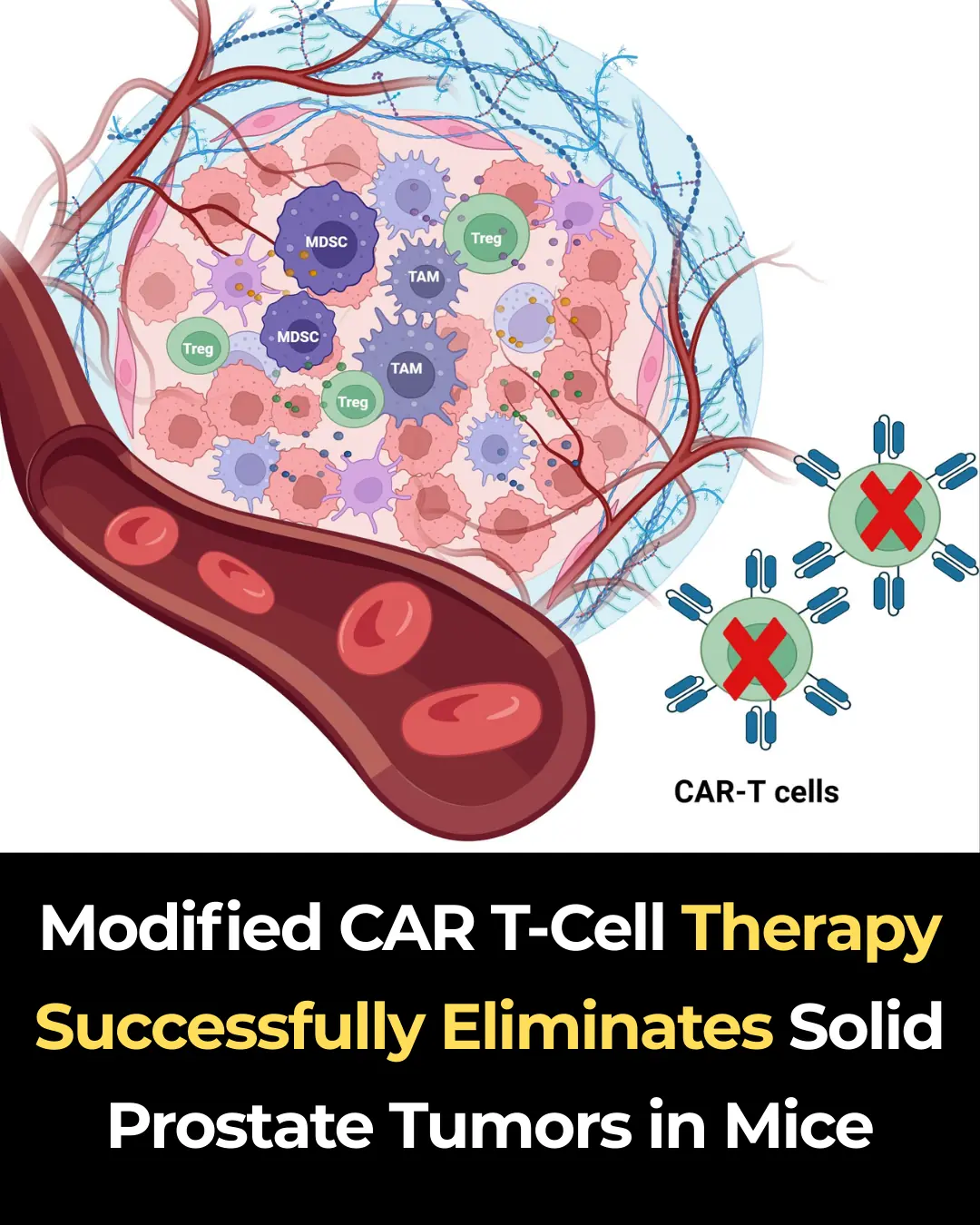
Modified CAR T-Cell Therapy Successfully Eliminates Solid Prostate Tumors in Mice

The World Bids Farewell to Bobi, the World's Oldest Dog, at the Age of 31

The Gut-First Approach: Berberine’s Impact on Microbiome Balance and Barrier Integrity

Living Near a Golf Course Linked to Nearly Triple the Risk of Parkinson’s Disease

The Cost of a Trip to Tokyo Disney is Now Cheaper Than Going to Disney in Florida