Sore Throat Relief: Why Cloves May Be the Natural Remedy You’re Missing
Health 14/12/2025 14:31
If you’re experiencing swelling in your feet or ankles, it’s important not to rush into treatment without first understanding the cause. Swelling—also known as edema—is not a diagnosis by itself, but a symptom of an underlying issue. In today’s video, we break down nine common causes of foot and ankle swelling, starting from the least serious and moving toward the most serious, along with practical ways to manage each one.

If you’ve recently injured your foot or ankle—such as a sprain, strain, or fracture—swelling is part of the body’s natural inflammatory response. When soft tissues are damaged, the body sends extra blood, oxygen, and immune cells to the area to remove debris and begin healing. This process results in swelling, redness, warmth, pain, and reduced mobility.
In cases of a broken bone, internal bleeding may occur, causing blood to pool around the injury. This can lead to significant swelling and bruising, making it difficult to walk or even put on a shoe. While swelling can help stabilize the injury, it often limits function during recovery.
Treatment: The PRICE Method
Protect: Avoid putting weight on the injured foot; use crutches if needed.
Rest: Give the injured area time to heal.
Ice: Apply a cold pack that conforms to the ankle to reduce inflammation.
Compress: Use an elastic (ACE) wrap to limit fluid buildup, without wrapping too tightly.
Elevate: Keep the foot elevated above heart level, ideally using a leg wedge for comfort.
Over-the-counter anti-inflammatory medications may help if approved by your doctor. However, the most important factor is time. Depending on the severity of the injury, swelling may take several months—or longer—to fully resolve. In some cases, permanent swelling may persist due to lymphatic or blood vessel damage.
Infections such as cellulitis commonly cause swelling in the foot or ankle. This occurs because the immune system sends increased blood flow and inflammatory cells to fight invading bacteria. Swelling is typically accompanied by redness, warmth, pain, and tenderness. More severe infections may also cause fever, chills, or fatigue.
Treatment
The cornerstone of treatment is addressing the infection itself, usually with antibiotics (oral, topical, or intravenous, depending on severity). Alongside medical treatment, supportive care using the RICE method—rest, ice, compression, and elevation—can help reduce swelling and discomfort.
Foot and ankle infections can progress rapidly, so prompt medical evaluation is essential to prevent complications.
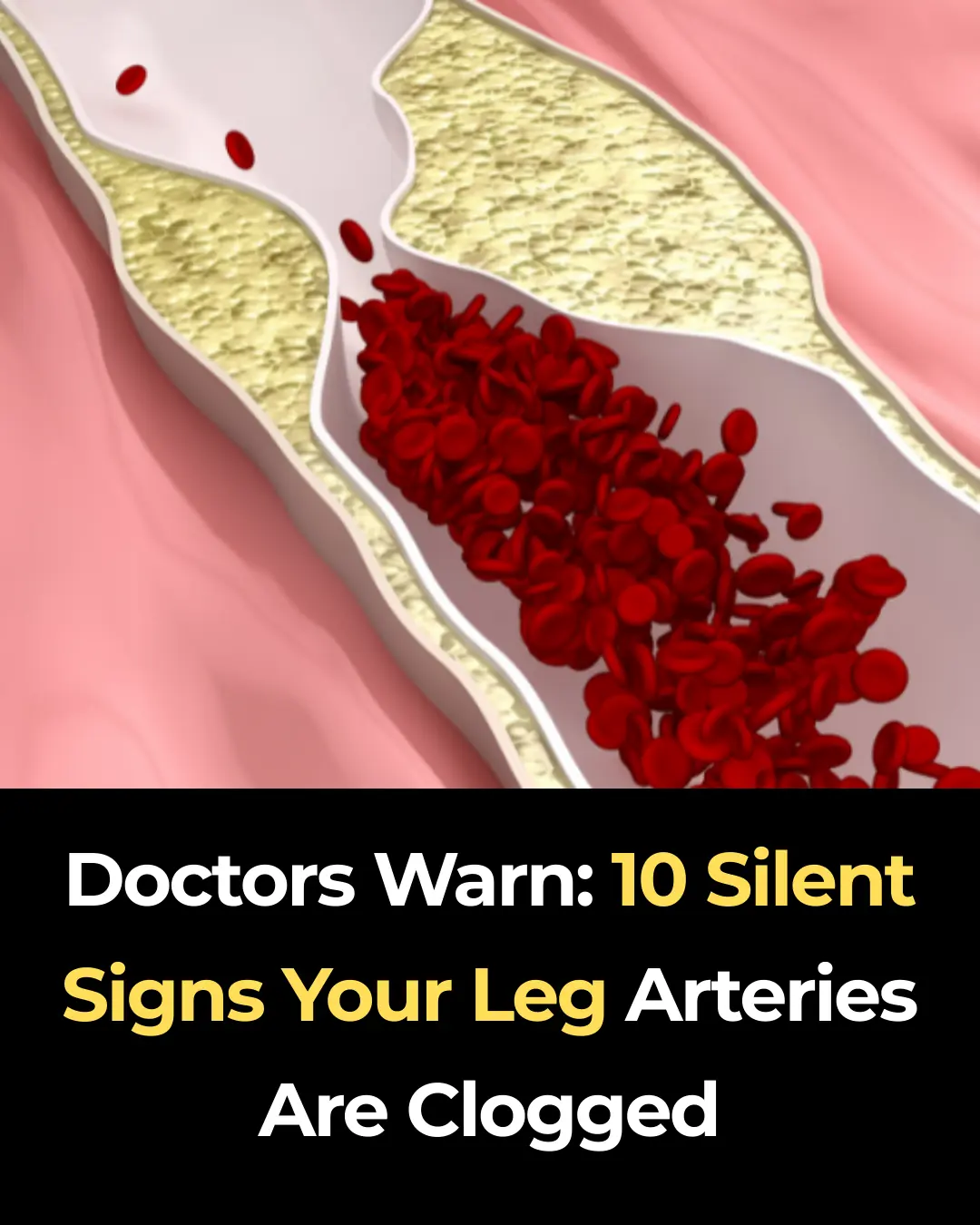
Venous problems are one of the most common causes of chronic foot and ankle swelling. Veins return deoxygenated blood from the legs back to the heart. Unlike arteries, veins rely heavily on muscle movement and one-way valves to keep blood flowing upward against gravity.
In chronic venous insufficiency (CVI), these valves weaken or fail, allowing blood to flow backward and pool in the lower legs. This increased pressure causes fluid to leak into surrounding tissues, leading to swelling, skin discoloration, varicose veins, and sometimes open sores (venous ulcers).
Swelling from venous insufficiency typically worsens throughout the day and improves with rest or leg elevation. Long periods of standing, sitting, or a sedentary lifestyle increase the risk.
Treatment Options
Compression stockings
Leg elevation
Regular walking and calf-strengthening exercises
Weight loss, if applicable
In advanced cases, medical or surgical procedures may be required to repair or close damaged veins.
A deep vein thrombosis is a blood clot that forms in a deep vein, usually in the leg. It may occur after surgery, prolonged immobility, long flights, or trauma. DVT often causes swelling in one leg only, along with pain, warmth, redness, and tightness.
Because the clot blocks blood flow back to the heart, fluid becomes trapped in the tissues. Even after treatment with blood thinners, some swelling may remain permanently as the body forms alternative pathways around the clot.
⚠️ This is a medical emergency.
If a clot breaks loose and travels to the lungs, it can cause a pulmonary embolism, which can be life-threatening. Any sudden, one-sided leg swelling should be evaluated immediately.

Lymphedema occurs when the lymphatic system is damaged or obstructed, often due to cancer treatment, lymph node removal, radiation, infection, or injury. Protein-rich lymph fluid builds up in the tissues, leading to persistent swelling.
This condition commonly affects one arm or leg and may cause heaviness, stiffness, reduced mobility, and thickened or hardened skin over time.
Management
Compression garments are essential, but often not sufficient on their own. Treatment may also include:
Specialized lymphatic drainage massage
Targeted exercise programs
Skin care to prevent infections
Early treatment can slow progression and improve quality of life.
Many medications can cause fluid retention as a side effect. Common culprits include:
Blood pressure medications (especially calcium channel blockers)
Steroids such as prednisone
Antidepressants
Diabetes medications
Hormonal therapies (including birth control pills)
NSAIDs (non-steroidal anti-inflammatory drugs)
These medications may affect kidney function, blood vessel tone, or sodium balance, leading to swelling in the feet and ankles.
If swelling becomes uncomfortable or severe, consult your doctor. Adjusting the dose or switching medications often resolves the problem.
Heart failure occurs when the heart cannot pump blood efficiently. As blood backs up in the veins, fluid leaks into the tissues, causing swelling—usually in both legs and ankles.
This swelling is often accompanied by:
Shortness of breath
Fatigue
Rapid weight gain
Difficulty lying flat
Treatment
Managing heart failure is essential and may include:
Diuretics to remove excess fluid
Medications to improve heart function
Regular, supervised exercise
Cardiac rehabilitation programs
Compression stockings and leg elevation may still be needed to control swelling.
The kidneys regulate fluid and electrolyte balance. When kidney function declines, excess fluid accumulates in the body, often settling in the legs and feet.
Swelling occurs due to:
Reduced ability to eliminate excess fluid
Protein loss in the urine, which lowers blood protein levels and draws fluid into tissues
Symptoms may include fatigue, nausea, changes in urination, and high blood pressure.
Management
Treatment requires close supervision by a nephrologist and may include:
Dietary restrictions (especially salt and fluids)
Diuretics
Compression therapy
Frequent leg elevation
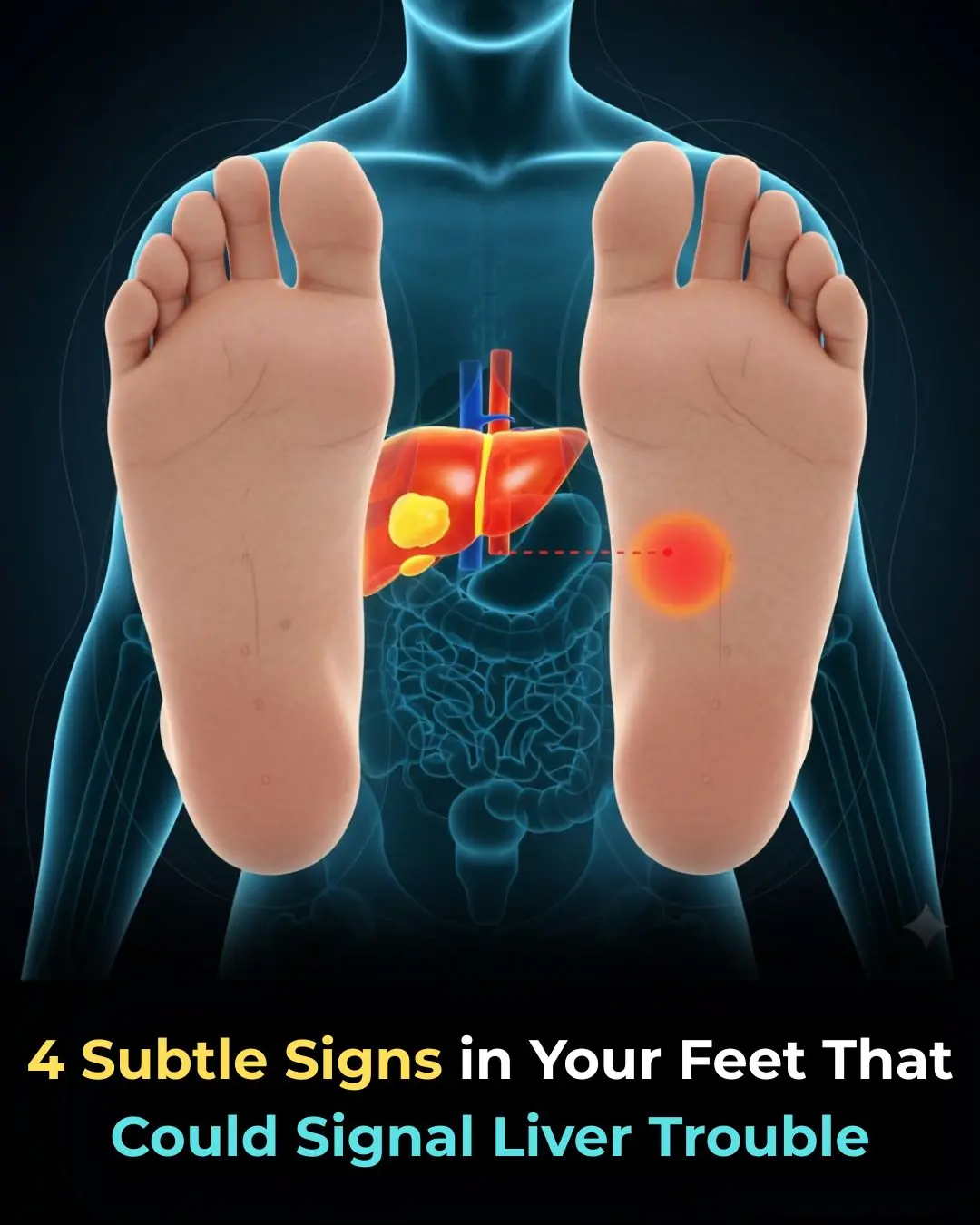
Liver disease and severe malnutrition can cause swelling by reducing levels of albumin, a protein made by the liver that helps keep fluid inside blood vessels.
When albumin levels drop, fluid leaks into surrounding tissues, especially in the legs and abdomen (ascites). This type of swelling is often a sign of advanced liver disease.
Treatment
Management typically includes:
Treating the underlying liver condition
Low-sodium, high-protein diets
Diuretics
Compression stockings
Regular leg elevation
Foot and ankle swelling should never be ignored—especially if it is persistent, painful, or occurs suddenly. Identifying the underlying cause is the key to effective treatment and preventing serious complications. If swelling worsens or is associated with other symptoms, seek medical care promptly.
Understanding these causes empowers you to take the right steps toward better circulation, mobility, and overall health.