The Case of a Danish Sperm Donor: A Warning for the Fertility Industry
A sperm donor from Denmark, who successfully fathered nearly 200 children, was recently found to carry a rare genetic mutation that could potentially cause cancer. This startling discovery has prompted both medical professionals and the public to reevaluate the practices and oversight in the fertility industry, as it exposes critical flaws in the screening and donor selection processes during the time of donation.
The donor, whose identity has not been publicly disclosed, had been providing sperm to various sperm banks for several years, facilitating artificial inseminations for numerous couples. However, it wasn’t until after the donor’s sperm had been used in the conception of nearly 200 children that the genetic mutation was identified. The mutation in question is known to increase the risk of certain types of cancer, including tumors that can affect multiple parts of the body.
This discovery has raised significant concerns among the families who used this donor’s sperm. The risk that the mutation may have been passed down to the offspring has led parents to seek genetic counseling and testing to determine whether their children are carriers of the mutation, or worse, whether they too may be at an elevated risk of developing cancer later in life.
What makes this situation particularly troubling is the hereditary nature of the genetic mutation. As the mutation can be inherited, the children conceived by this donor may not only face potential health risks but could also pass the mutation on to future generations, further spreading a genetic condition that was previously unknown. Medical professionals warn that such mutations may be present without clear symptoms in the donor, making it even more difficult to detect and prevent the transmission of such conditions.
The fertility industry, which facilitates sperm donations for countless families worldwide, has come under scrutiny as a result of this incident. Critics have highlighted this case as a reminder of the shortcomings in regulatory practices. In particular, Denmark is well-known as one of the largest exporters of sperm, with its sperm banks serving clients across the globe. This raises concerns over the difficulties of tracking health outcomes when a single donor’s sperm is used for a high volume of pregnancies across multiple countries. The ease of access to sperm donations from international sperm banks has created an international challenge for tracing the health of children conceived through donors.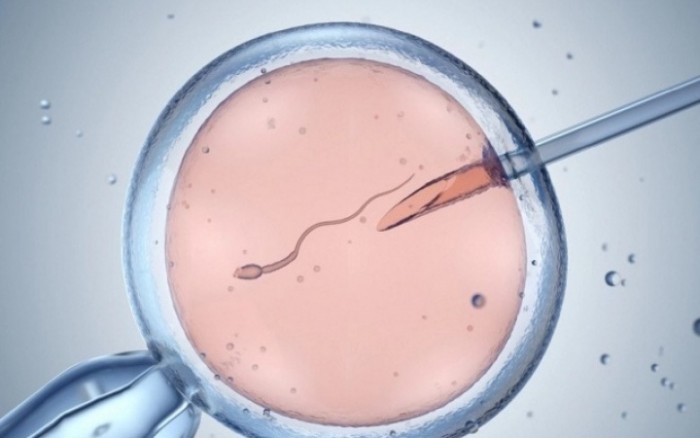
While the fertility industry’s regulations vary from country to country, this situation has reignited calls for stricter oversight. Some experts have suggested that limiting the number of children a single donor can father would reduce the risk of genetic conditions being spread across large populations. Additionally, more rigorous health screenings and genetic testing of sperm donors are now seen as essential steps in preventing the recurrence of such issues.
The Danish sperm donor case is now part of a broader ongoing debate about how best to regulate the fertility industry to ensure the health and safety of children born through artificial insemination. While fertility services have provided hope for many families struggling with infertility, incidents like this underscore the need for better safeguards and transparency in sperm donation practices. Furthermore, as global fertility clinics increasingly turn to genetic screening for various conditions, it may also become essential to test for genetic mutations that may predispose individuals to specific types of cancer.
Experts from organizations like the American Society for Reproductive Medicine (ASRM) and the World Health Organization (WHO) have long called for higher standards in the fertility industry. These organizations advocate for comprehensive health assessments of sperm donors, including genetic screenings for hereditary diseases, to ensure that potential health risks are minimized. With these regulations in place, sperm banks can take proactive steps to prevent future situations like the one in Denmark, where families are left grappling with the consequences of a genetic oversight.
This situation has sparked an important conversation on the ethical responsibility of sperm banks and their donors. In addition to medical concerns, the issue raises questions about the transparency and accountability of sperm donation services. Families who used the sperm from this particular donor are now left to navigate the uncertainties of genetic risk, a challenge that could have been avoided with more thorough screening and oversight practices.
As public awareness of these potential risks increases, it is likely that we will see more stringent regulations surrounding sperm donation and genetic screening in the future. The fertility industry must adapt and innovate to ensure that donor health is comprehensively assessed, and that the safety of children born from donated sperm is safeguarded for generations to come.
Sources:
-
American Society for Reproductive Medicine (ASRM): https://www.asrm.org
-
World Health Organization (WHO) Reproductive Health: https://www.who.int/reproductivehealth
-
Fertility and Sterility Journal: https://www.journals.elsevier.com/fertility-and-sterility