Rising Global Tensions Spark Fears of Major Conflict – What It Means for the World
Garden Healthy 14/04/2026 11:43
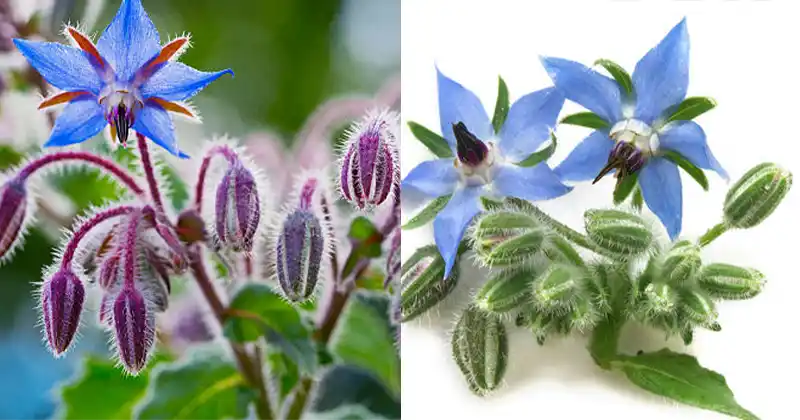
Borago officinalis, commonly known as borage, is completely edible and has been appreciated for centuries in both culinary and traditional herbal practices. Almost every part of this striking blue-flowered herb can be used, though the leaves and flowers are the most popular. While its delicate star-shaped blooms may give it a fragile appearance, borage is actually a hardy plant with a refreshing flavor and a long history of practical uses.
Beyond its beauty in the garden, borage has earned a reputation as both a nourishing food and a supportive herbal ally. Its crisp, cucumber-like taste makes it a unique addition to meals, while its seed oil is widely valued in modern wellness circles.
Leaves – Young borage leaves have a mild, fresh flavor similar to cucumber. They can be added to salads, chilled soups, dips, or blended into smoothies. Because the leaves are slightly fuzzy, many people prefer them lightly cooked—sautéed, steamed, or added to soups—where their texture softens and becomes more pleasant.
Flowers – The vivid blue, star-shaped flowers are fully edible and beautifully decorative. They can be scattered over desserts, mixed into green salads, or frozen into ice cubes to create an eye-catching touch in lemonade or sparkling water. Their subtle sweetness pairs well with fruit dishes.
Seeds – Borage seeds are cold-pressed to produce borage seed oil, a supplement rich in gamma-linolenic acid (GLA), an omega-6 fatty acid known for its role in supporting skin, hormonal balance, and inflammatory response. This oil is one of the most concentrated natural sources of GLA available.
GLA (gamma-linolenic acid) is the most studied compound in borage. It plays an important role in regulating inflammatory processes in the body. This makes borage oil particularly popular among individuals managing joint discomfort, skin flare-ups, or inflammatory conditions such as arthritis or eczema.
Borage oil is frequently used in natural skincare for dry, irritated, or sensitive skin. It helps maintain the skin’s moisture barrier, calm redness, and improve overall texture. Many people use it to support skin affected by acne, rosacea, or dermatitis, both topically and as a supplement.
The essential fatty acids in borage may contribute to balanced cholesterol levels and healthy blood pressure. While it should not replace medical care, it can be part of a heart-supportive lifestyle that includes balanced nutrition and regular activity.
Borage oil is often chosen to ease PMS symptoms, breast tenderness, and menopausal discomfort. By supporting healthy prostaglandin production, GLA may help promote a more comfortable hormonal cycle.
Historically, borage was known as the herb that could “cheer the heart.” Traditional herbalists believed it lifted spirits and soothed emotional strain. Today, it is still regarded as a gentle nervine that may support emotional balance and resilience during stress.
In times of prolonged stress or fatigue, borage has traditionally been used to help restore vitality. Its nourishing properties may support adrenal function, which plays a role in regulating stress hormones.
Borage leaves contain soothing mucilage, which can coat and calm irritated tissues. Herbal teas made from the leaves have been used traditionally for dry coughs, sore throats, and mild chest discomfort during seasonal colds.
Borage may encourage mild diuretic activity, helping the body release excess fluid. This can support kidney function and may reduce temporary bloating.
Fresh, crushed leaves were historically applied to small cuts, insect stings, and swellings. Its natural soothing properties may help calm minor skin irritations when used externally.
Borage has been added to soups and broths to stimulate appetite and ease mild digestive discomfort. Its gentle bitterness and mucilage content may help soothe the digestive tract after illness.
Tea – Steep a few fresh young leaves in hot water for a light, cucumber-flavored tea. It blends well with lemon balm, mint, or chamomile.
Cooked Dishes – Sauté chopped leaves with garlic and olive oil, or add them to omelets, pasta dishes, soups, or stews.
Raw Use – Finely chop tender young leaves and use sparingly in salads or herb spreads.
Decorative Touch – Freeze flowers into ice cubes for summer drinks, or garnish cakes, fruit salads, and pastries.
Skincare – Apply cold-pressed, purified borage oil directly to the skin or mix it into homemade facial oils and serums.
While borage is generally safe in moderation, the leaves and stems contain small amounts of pyrrolizidine alkaloids (PAs). In high or prolonged amounts, these compounds may stress the liver.
To use safely:
Choose young leaves.
Avoid heavy or long-term internal use.
Use primarily for occasional culinary purposes.
Select certified PA-free borage oil supplements.
Individuals who are pregnant, breastfeeding, or managing liver conditions should consult a qualified professional before use.
As with any herb, moderation and informed use are key.
Borago officinalis is far more than an ornamental garden plant. With its refreshing edible leaves, vibrant flowers, and nutrient-rich seed oil, borage offers a versatile blend of culinary charm and traditional herbal support. From promoting comfortable skin and balanced hormones to soothing the respiratory and nervous systems, it has earned its place in both kitchen and wellness traditions.
Whether you’re brewing a cup of herbal tea, brightening a summer drink with blue blossoms, or nourishing your skin with borage oil, you’re participating in a time-honored practice that connects food, nature, and well-being in a simple yet meaningful way.