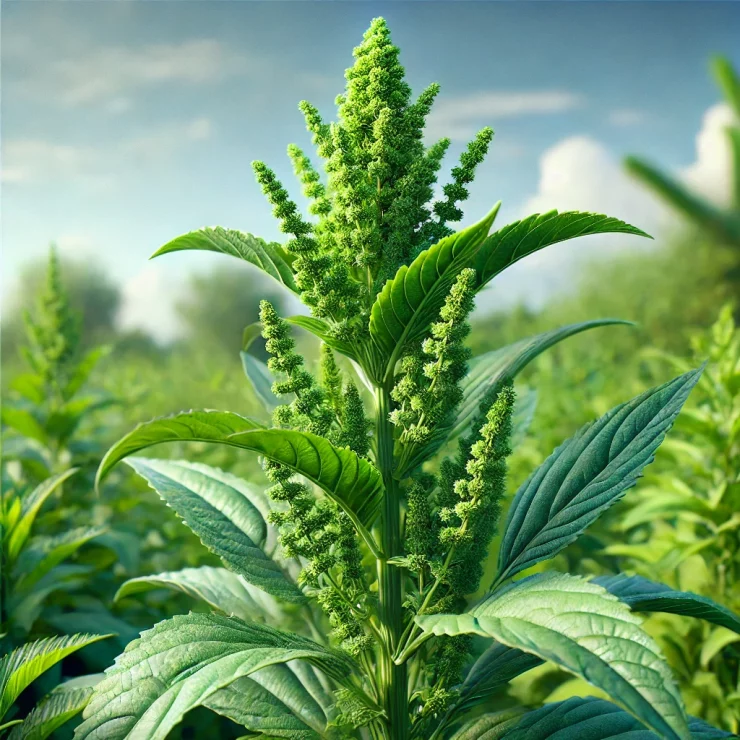
Pigweed, commonly known as amaranth, is a hardy, nutrient-rich plant that has been valued for centuries in many traditional food systems. Often overlooked as a wild green, this resilient plant is actually both a powerful superfood and an important agricultural crop. From its vitamin-packed leaves to its protein-rich seeds, pigweed offers impressive health and sustainability benefits.
Here are 10 key benefits of pigweed:
1. Rich in Essential Nutrients
Pigweed leaves are loaded with important vitamins, including vitamins A, C, and K, along with minerals such as calcium, magnesium, potassium, and iron. These nutrients support vision, immune defense, blood clotting, and overall cellular function. Adding pigweed to meals can significantly boost daily nutrient intake.
2. Excellent Source of Plant-Based Protein
The seeds of pigweed, known as amaranth, are especially valued for their protein content. Unlike many plant proteins, amaranth contains all nine essential amino acids, making it a complete protein source. This makes it particularly beneficial for vegetarians, vegans, and anyone looking to diversify their protein intake.
3. Naturally Gluten-Free Grain Alternative
Amaranth seeds are naturally gluten-free, making them a suitable grain substitute for individuals with gluten intolerance or celiac disease. They can be cooked like rice, made into porridge, or ground into flour for baking.
4. Powerful Antioxidant Properties
Pigweed contains beneficial plant compounds such as flavonoids and phenolic acids. These antioxidants help neutralize free radicals in the body, reducing oxidative stress and supporting long-term health. Diets rich in antioxidants are often linked to a lower risk of chronic conditions.
5. Supports Digestive Health
Both the leaves and seeds are high in dietary fiber. Fiber supports healthy digestion, promotes regular bowel movements, and helps maintain a balanced gut environment. A fiber-rich diet can also contribute to better blood sugar control and overall metabolic health.
6. May Help Manage Cholesterol Levels
Research suggests that amaranth seeds may help reduce LDL (“bad”) cholesterol levels. Their fiber content and naturally occurring phytosterols support heart health by helping to limit cholesterol absorption in the body.
7. Contains Anti-Inflammatory Compounds
Pigweed includes plant compounds that may help reduce inflammation in the body. Managing inflammation is important for overall wellness and may be especially beneficial for individuals dealing with joint discomfort or inflammatory conditions.
8. Supports Immune Function
The vitamin C content in pigweed leaves contributes to immune support. Vitamin C plays a key role in helping the body fight infections, heal wounds, and maintain healthy skin and tissues.
9. Promotes Strong Bones
With its calcium and magnesium content, pigweed supports bone strength and density. These minerals are essential for maintaining skeletal health and may help reduce the risk of bone loss over time when consumed as part of a balanced diet.
10. Highly Resilient and Drought-Tolerant Crop
Beyond its nutritional value, pigweed is an agriculturally important plant. It grows well in poor soil conditions and can tolerate drought, making it a valuable crop in regions facing climate challenges. Its resilience contributes to food security and sustainable farming systems.
A Versatile and Sustainable Superfood
Pigweed can be enjoyed in multiple ways. The young leaves can be sautéed, added to soups, or blended into smoothies much like spinach. The seeds can be boiled into a hearty grain dish, popped like tiny popcorn, or ground into flour. Its versatility, combined with its impressive nutrient profile and agricultural resilience, makes pigweed a plant worth appreciating.
While pigweed has a long history of traditional use, it’s always wise to ensure proper identification before foraging wild varieties. When incorporated thoughtfully into a balanced diet, this humble plant offers meaningful health, nutritional, and environmental benefits.