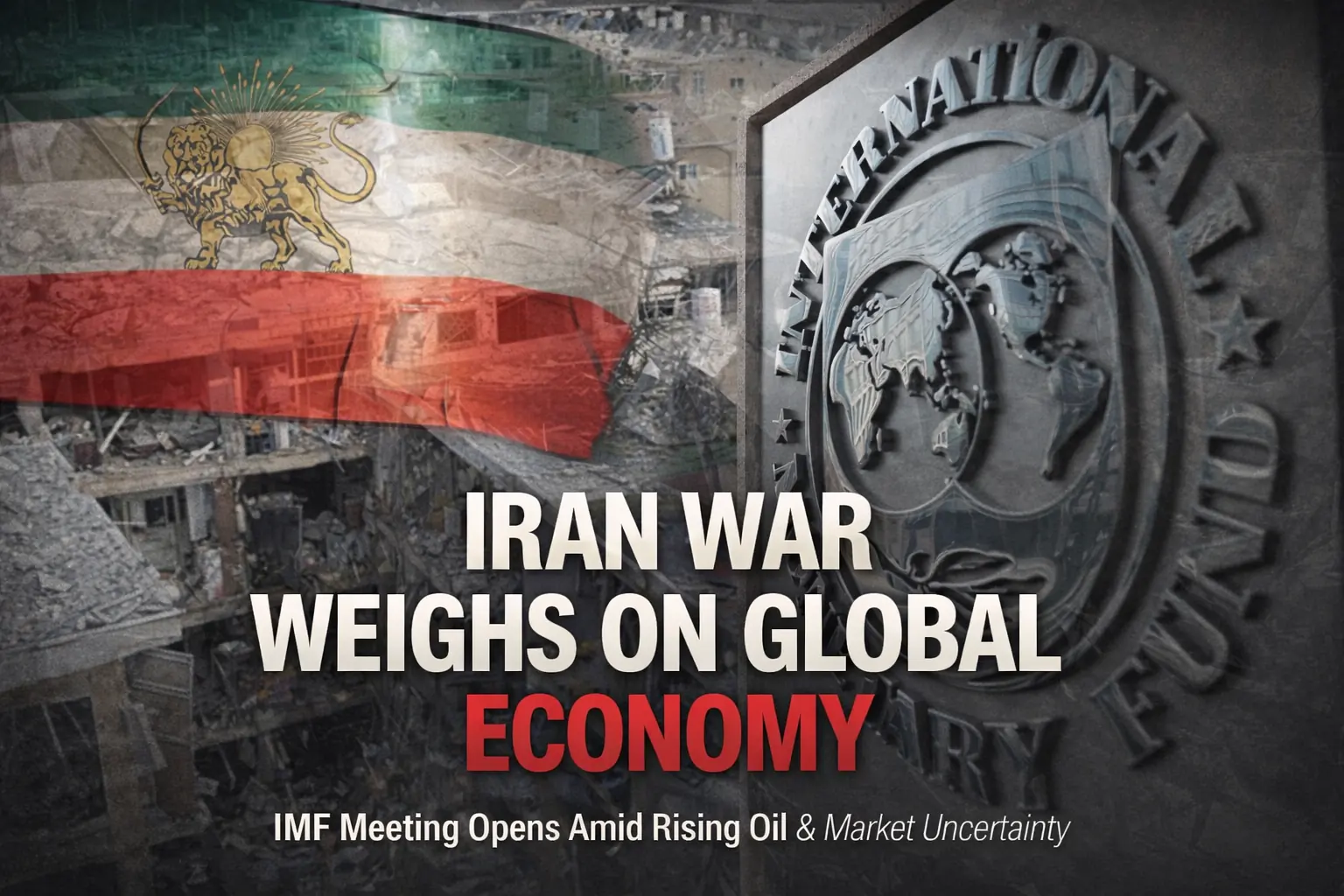
Iran war weighs on global economy as IMF meeting starts
News 14/04/2026 10:57
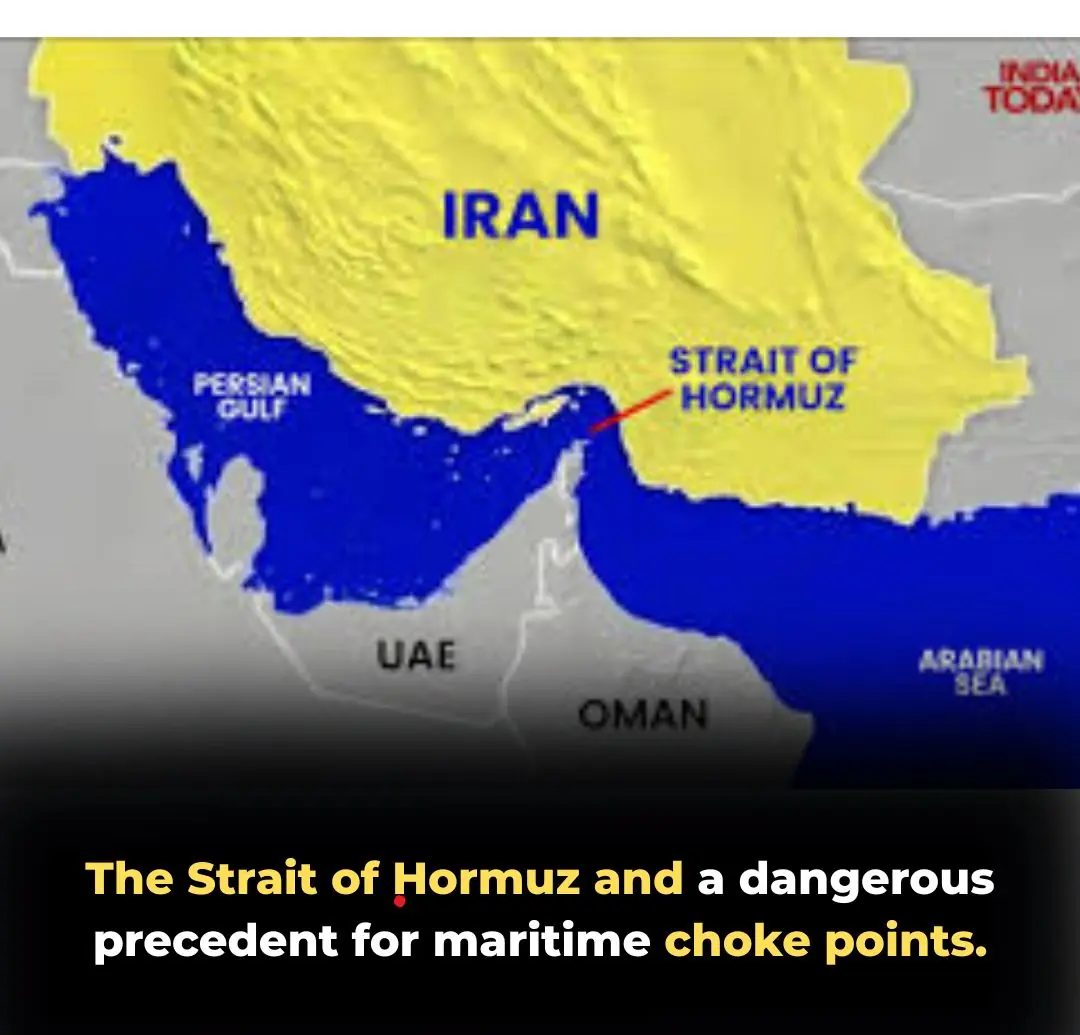
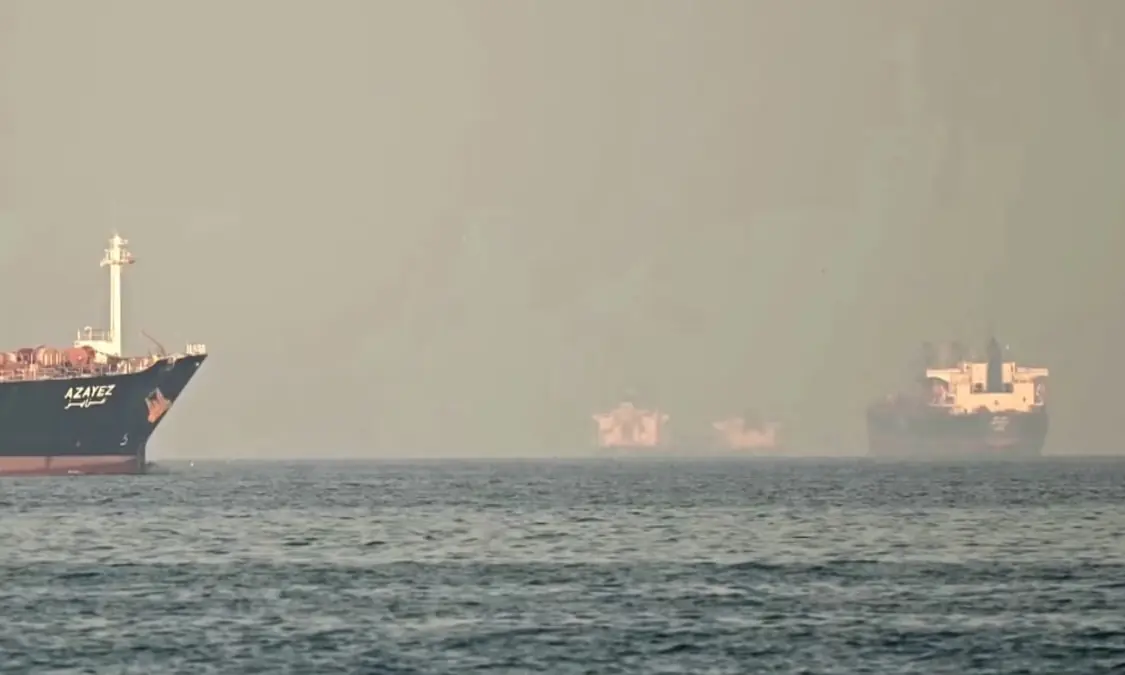
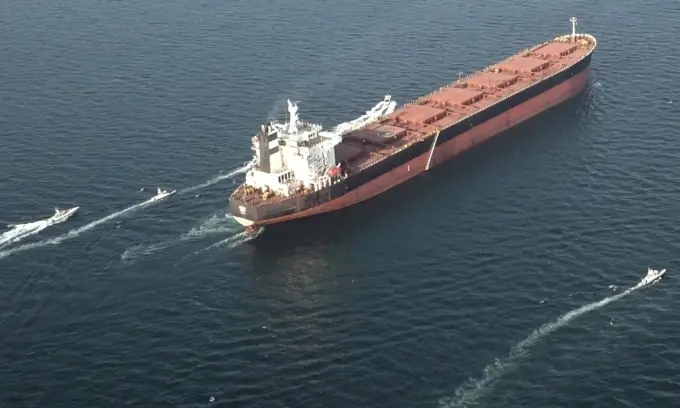
The Strait of Hormuz has long been one of the world’s most critical maritime chokepoints. Connecting the Persian Gulf to the Arabian Sea, this narrow waterway plays a vital role in global energy supply. However, rising geopolitical tensions in the region are raising serious concerns about a dangerous precedent that could impact not only Hormuz but also other key shipping routes worldwide.
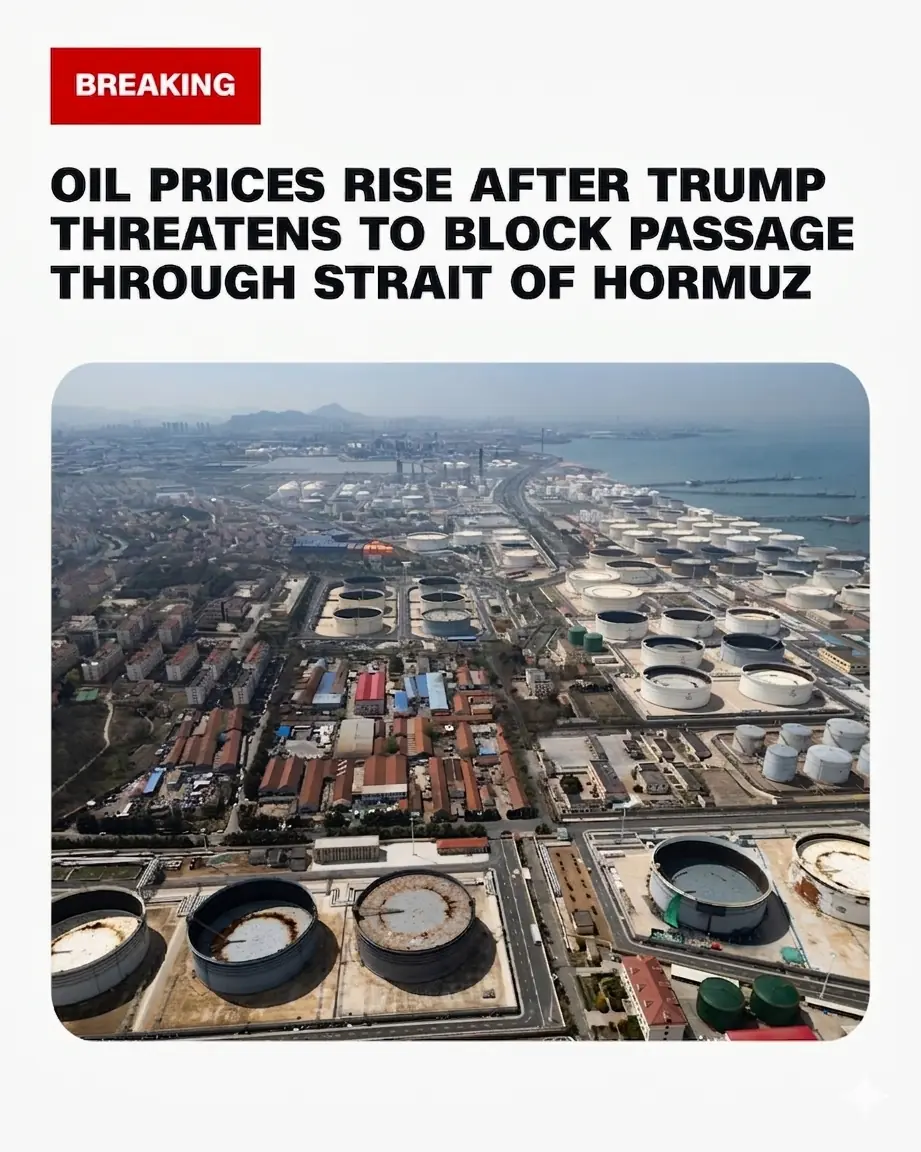
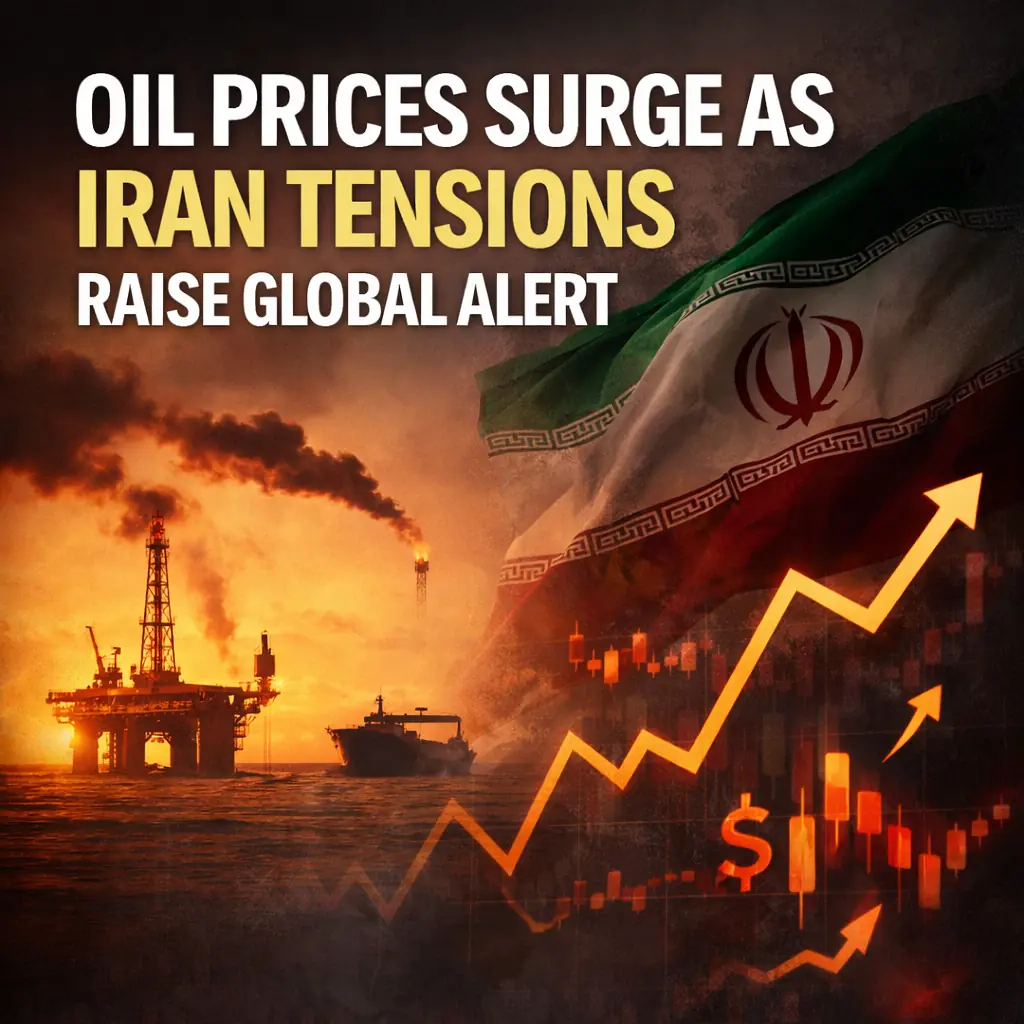
Roughly one-fifth of the world’s oil supply passes through the Strait of Hormuz every day. Major oil producers such as Saudi Arabia, Iran, Iraq, and the United Arab Emirates rely heavily on this route to export energy to global markets.
Any disruption in this narrow passage could lead to:
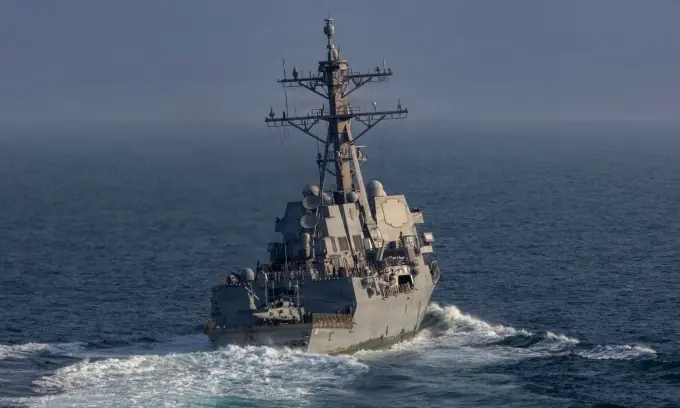
Because of its strategic importance, the strait has always been a focal point of international attention and military presence.
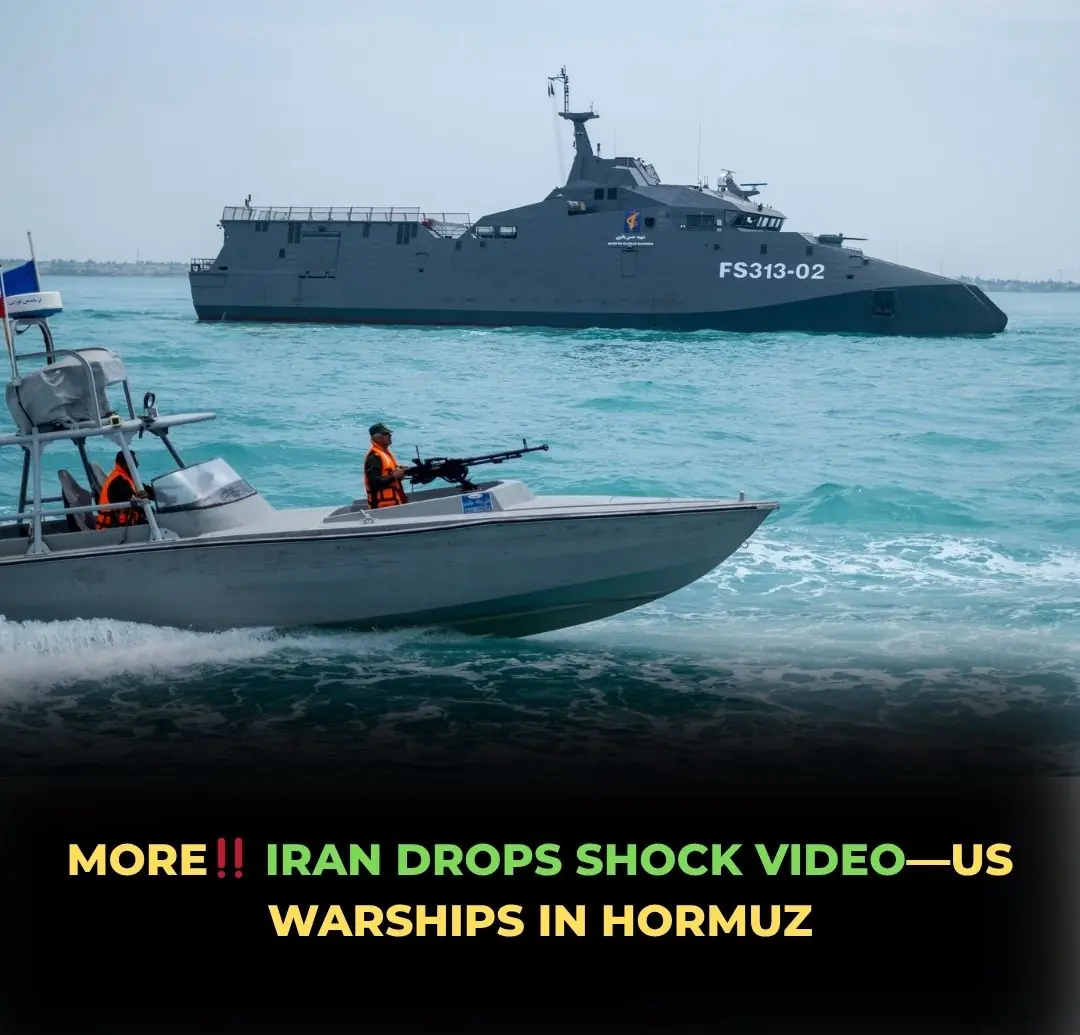
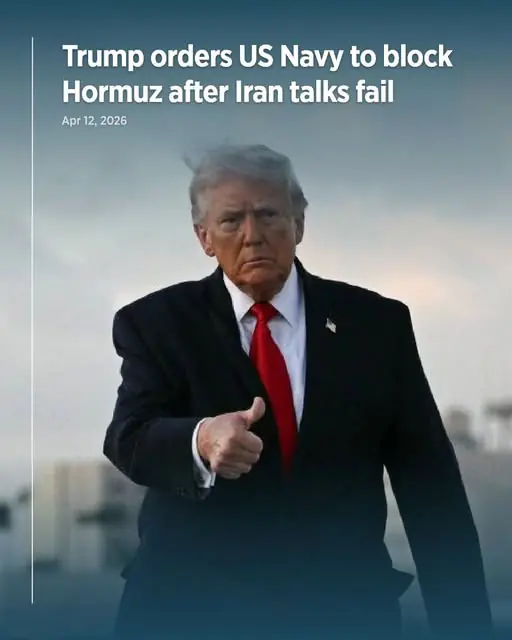
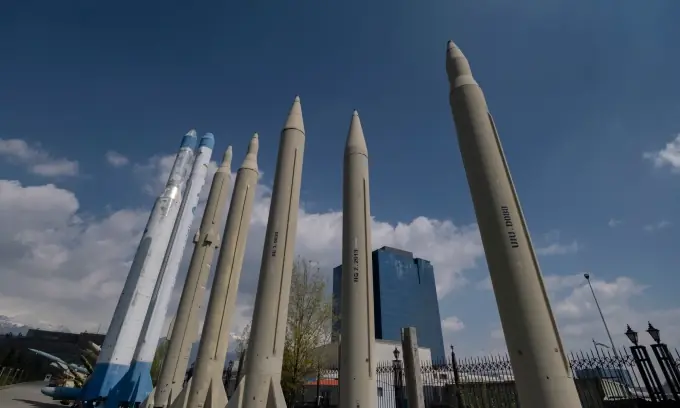
In recent years, tensions between Iran and Western countries have escalated. Military activities, threats of blockades, and incidents involving commercial vessels have heightened fears of instability.
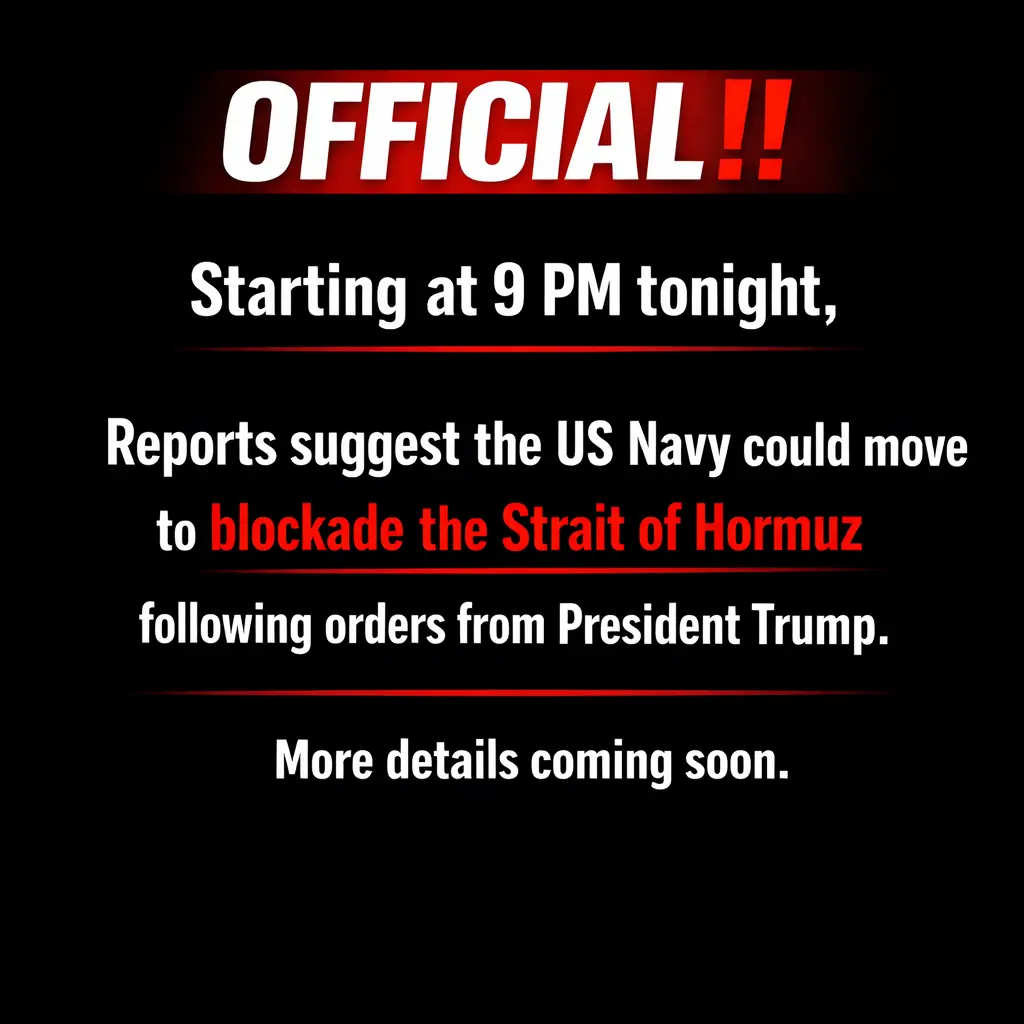
These developments raise a key concern: if one country attempts to control or restrict passage through an international waterway, it could challenge long-standing maritime laws and norms.
What happens in the Strait of Hormuz does not stay there. Experts warn that any attempt to block or militarize this route could set a precedent for other strategic chokepoints, such as:
If similar actions were replicated elsewhere, global trade could face unprecedented risks, leading to higher transportation costs and disrupted supply chains.
The global economy is deeply interconnected, and maritime trade is its backbone. A crisis in the Strait of Hormuz could trigger:
Countries heavily dependent on imported energy would be especially vulnerable.
To prevent escalation, international cooperation is essential. Naval patrols, diplomatic negotiations, and adherence to international maritime law play crucial roles in maintaining stability.
Organizations and global powers must work together to ensure:
The Strait of Hormuz is more than just a narrow waterway—it is a lifeline for the global economy. Any instability here carries far-reaching consequences. More importantly, it could set a dangerous precedent for other critical maritime routes around the world.
Ensuring stability, respecting international law, and promoting cooperation are essential steps to prevent a global trade crisis and maintain the flow of goods and energy across the planet.