Iran Releases High-Stakes Video Tracking US Warships in Strait of Hormuz After Trump’s Blockade Demands
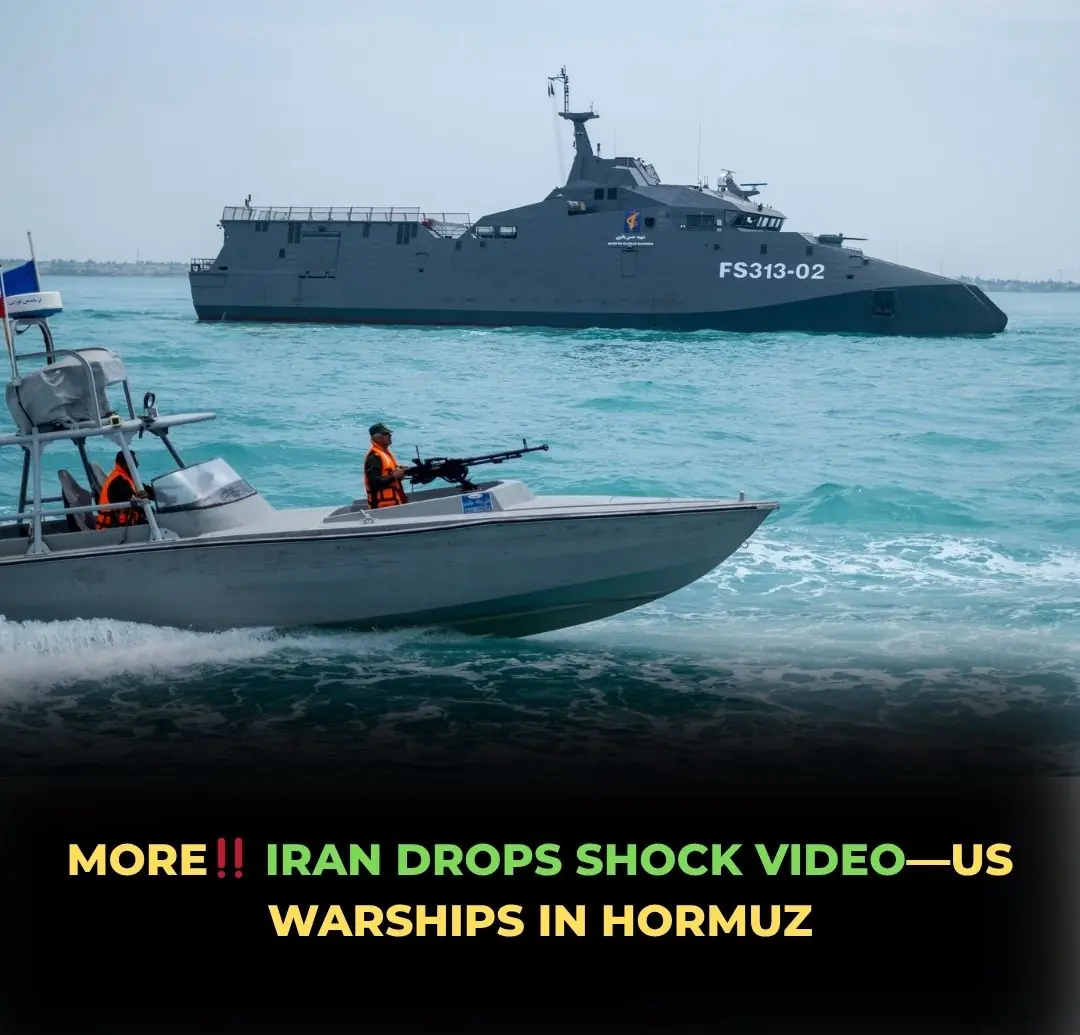
TEHRAN / WASHINGTON — In a dramatic escalation of maritime tensions, Iranian state media has released provocative footage showing the Islamic Revolutionary Guard Corps (IRGC) monitoring and tracking United States warships as they transited the Strait of Hormuz.
The release comes at a critical time, following recent statements from President Donald Trump regarding the strategic necessity to secure, and if necessary, block key maritime chokepoints to protect global interests.
A Tense Show of Force
The high-definition video, circulated by the IRGC-affiliated news agencies, appears to be captured by Iranian drones and fast-attack craft. The footage shows a close-range surveillance of a U.S. Navy carrier strike group.
Military analysts suggest that the timing of this release is a calculated "strategic signal" to the White House. By showing their ability to "deduct" (track) and shadow U.S. assets in real-time, Tehran is asserting its dominance over the waterway that serves as the world’s most vital oil artery.
The "Strait of Hormuz" Flashpoint
The Strait of Hormuz is the world's most important oil transit chokepoint.
-
Global Impact: Approximately 20% of the world’s petroleum passes through this narrow stretch.
-
Geopolitical Stakes: President Trump’s recent rhetoric focused on "maximum security," suggesting that the U.S. would not hesitate to take drastic measures to prevent Iranian interference with international shipping.
The Iranian response—releasing this video—acts as a direct counter-narrative, suggesting that any attempt to "block" or "control" the Strait will be met with sophisticated surveillance and a ready military presence.
Strategic Implications for Global Markets
The maritime standoff has sent ripples through global energy markets. With the U.S. Fifth Fleet maintaining a constant presence in the Persian Gulf, the risk of a "miscalculation" remains at an all-time high.
"The freedom of navigation is a cornerstone of global trade," a maritime security analyst stated. "However, when surveillance videos become tools of diplomacy, the margin for error at sea narrows significantly."
What’s Next?
As Washington and Tehran continue this "war of optics," international observers are keeping a close eye on the price of Brent Crude. Any physical interference with commercial tankers following these military displays could trigger immediate volatility in global trade routes, impacting everyone from the U.S. to major importers in Asia.