🌕 Final Supermoon of 2025 Approaches!
📅 Date: December 4, 2025
Get ready for the final celestial spectacle of the year — the last supermoon of 2025, also known as the Cold Moon, will light up the night sky on December 4. This rare astronomical event marks the last of three major supermoons for the year. The supermoon occurs when the Moon reaches its closest point to Earth in its elliptical orbit, making it appear significantly larger, brighter, and more spectacular than usual.
In 2025, skywatchers have been treated to three major supermoons, but this final event promises to be the grandest. If you’re in an area with clear skies, you’re in for a breathtaking display. As the moon rises, it will cast a brilliant glow across the horizon, creating a perfect opportunity for stargazers and photographers alike.
The best time to view the Cold Moon will be just after it rises. During this time, the moon will appear close to the horizon, amplifying its size and intensity, which is known as the "moon illusion." To capture the full majesty of this phenomenon, use a foreground landmark, such as a tree, building, or mountain, to provide a sense of scale and create the most stunning photos.
The Cold Moon gets its name from the long, dark nights of winter, which occur in the Northern Hemisphere. It is the final full moon before the winter solstice, the longest night of the year. As the cold weather sets in and the nights grow longer, the Cold Moon stands as a reminder of the changing seasons and the end of the year.
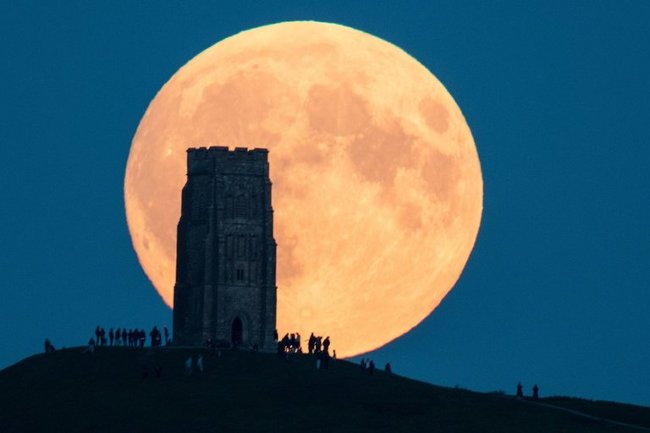
For many, the supermoon is not just an opportunity for photography but a reminder of the vastness and beauty of the universe. While these lunar events are not uncommon, each supermoon is a unique and special occurrence that draws attention to the Moon’s power and presence in our night sky. The supermoon of December 2025 will be a fitting conclusion to a year filled with awe-inspiring astronomical events.
🌌 Best Viewing Time: Just after moonrise
📸 Photography Tip: To capture the supermoon in all its glory, use a prominent foreground feature to give context to the Moon’s massive size.
✨ Fun Fact: The Cold Moon's name comes from the long, chilly nights in December when it appears, marking the transition into winter.
Be sure not to miss this grand lunar spectacle, which will cap off 2025 with a dazzling show of nature’s wonder.
Sources:
-
NASA's Lunar Science Program
-
Sky & Telescope — Moon and Supermoon Observations
-
National Geographic — The Science Behind Supermoons