Bariatric Surgery or GLP-1 Receptor Agonists? Long-Term Effects on Fat Loss and Body Composition
Health 16/01/2026 18:00

Glucose can’t enter your cells → your body runs on empty. Result? Chronic tiredness, especially after meals.
Spikes and crashes create a vicious cycle: eat sugar → crash → crave more sugar. This isn’t willpower—it’s biochemistry.
When blood sugar is high, your kidneys try to flush out the excess glucose through urine—pulling water with it. You pee more → you get dehydrated → you drink more.
High glucose causes fluid to shift into the lens of your eye, temporarily distorting focus. (Usually resolves when blood sugar stabilizes.)
Elevated sugar impairs circulation and weakens the immune system, slowing tissue repair. A small cut taking weeks to heal? A red flag.
Sugar feeds yeast and bacteria. Women may notice frequent yeast infections; others get stubborn skin rashes or urinary tract infections.
Early nerve damage (peripheral neuropathy) can start subtly—a “pins and needles” sensation—long before diabetes is diagnosed.
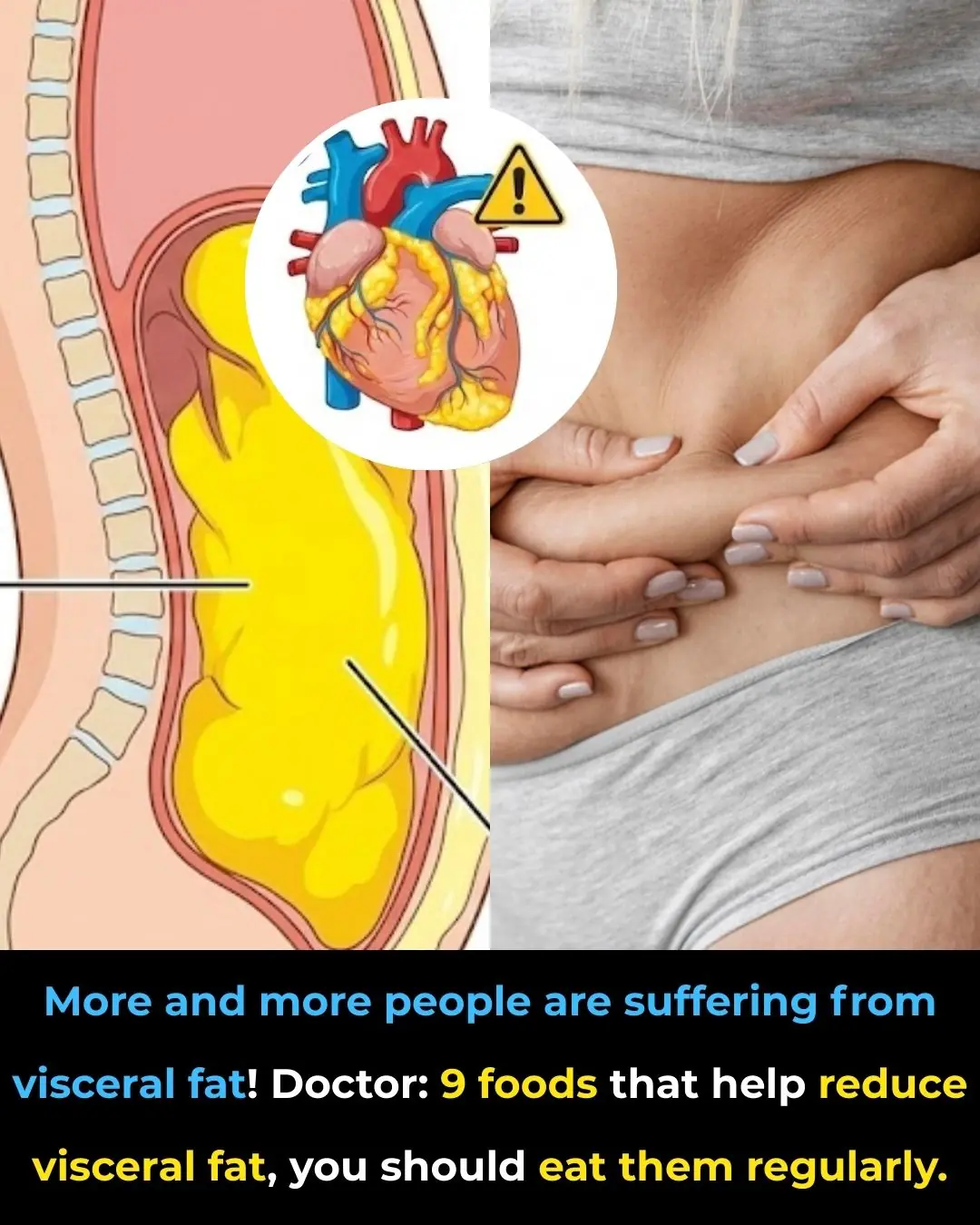
Insulin is a fat-storage hormone. High levels promote abdominal fat, even if you’re “eating healthy.”
Glucose swings disrupt neurotransmitter balance. You feel “foggy,” forgetful, or mentally sluggish—especially mid-afternoon.
Low blood sugar (after a spike) triggers adrenaline and cortisol—leading to anxiety, shakiness, or sudden anger.
Velvety, darkened skin on the neck, armpits, or groin is a visible sign of insulin resistance—common in prediabetes.
If cells aren’t getting fuel, your brain thinks you’re starving—even after a big meal.
💡 Important: You may only have 2–3 of these symptoms—and still be in early metabolic dysfunction.
Chronic high blood sugar doesn’t just lead to diabetes. It silently damages your body over time, increasing risk of:
📊 Shocking stat: Over 96 million U.S. adults have prediabetes—and 80% don’t know it (CDC).
You don’t need medication to make a difference. These lifestyle shifts work fast:
🩺 Early action can reverse insulin resistance—often within 3–6 months.
High blood sugar isn’t a “diabetic problem.” It’s a modern lifestyle epidemic—and your symptoms are not “just part of getting older.”
They’re signals. Invitations to pay attention. Opportunities to heal.
So before you brush off that afternoon crash or chalk up your cravings to stress, pause. Track your symptoms. Talk to your doctor. Try one small change.
Because when you stabilize your blood sugar, you don’t just prevent disease—you unlock steady energy, clear thinking, balanced mood, and lasting vitality.