Menstrual Blood–Derived Stem Cells and Amyloid Pathology in Alzheimer’s Disease: Evidence from Preclinical Research
Health 26/12/2025 00:22
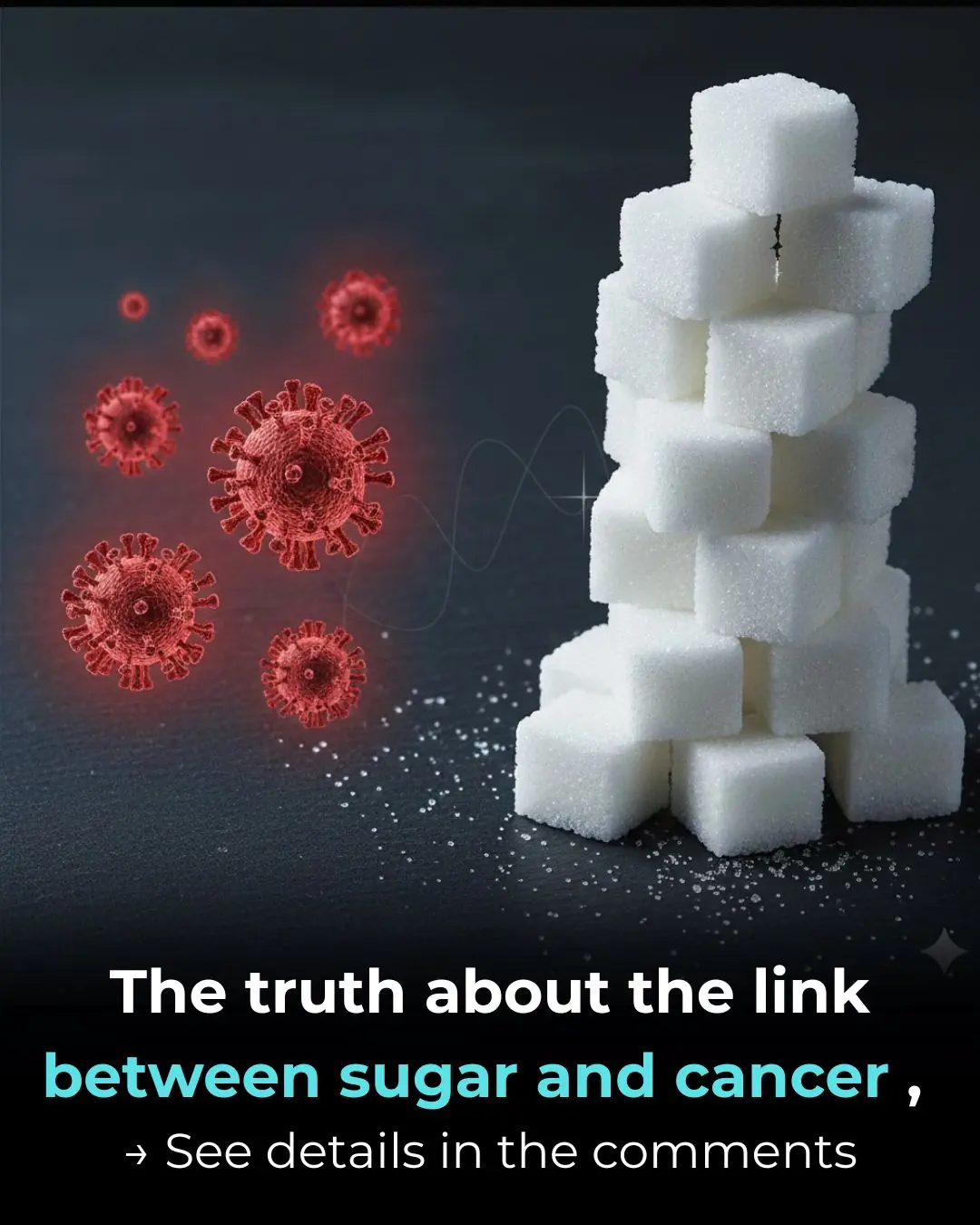
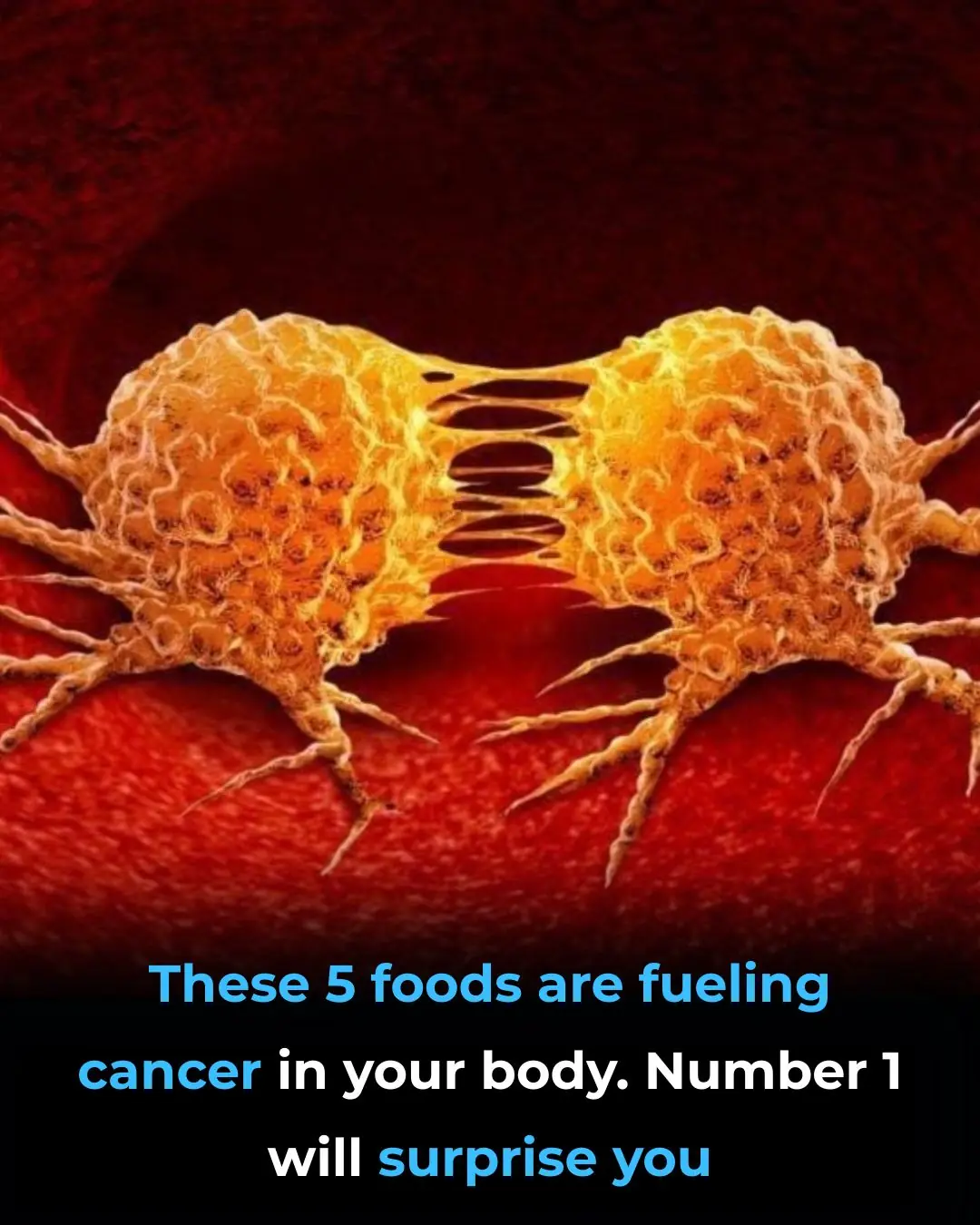
For many years, the question of whether sugar feeds cancer cells has sparked controversial answers.
The American health and nutrition website Eating Well has compiled numerous studies along with expert opinions from nutritionists and oncologists to provide a clearer understanding of the connection between sugar and cancer risk.
Sugar is a simple carbohydrate that every cell in the body uses for energy. It naturally occurs in fruits, vegetables, and dairy products, and is also added to foods like candy and soft drinks.
According to American nutritionist Pam Hartnett, who works with cancer patients, the sugar naturally found in fruits comes with fiber, antioxidants, and other nutrients that slow absorption and help maintain stable blood sugar levels. Eating fruits and vegetables has been associated with a reduced risk of type 2 diabetes and certain cancers, such as esophageal cancer, as well as heart disease.
On the other hand, added sugars—especially those found in sodas, candies, or products containing high-fructose corn syrup—enter the bloodstream quickly, increasing insulin levels and promoting inflammatory processes.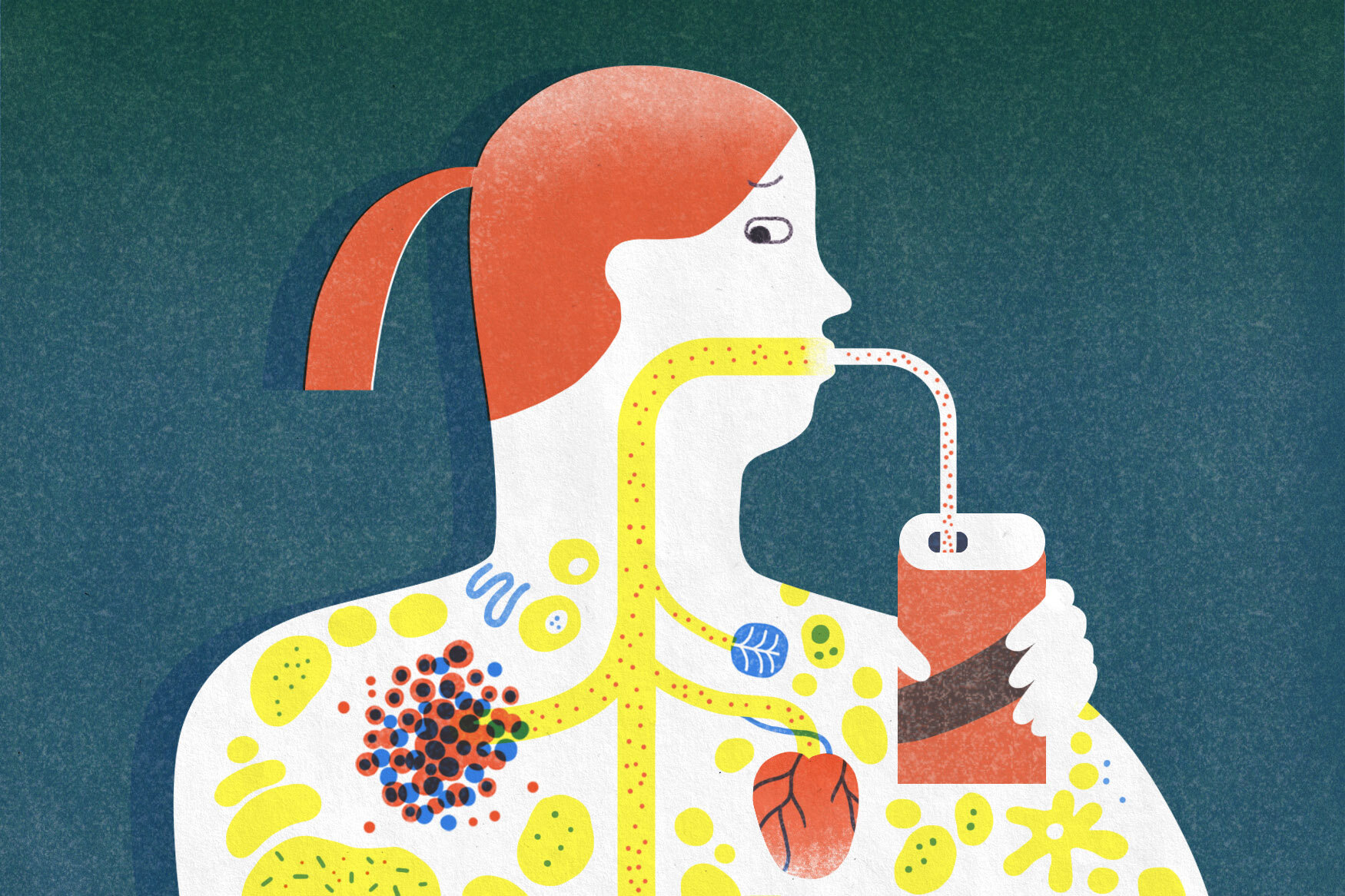
Cancer is a complex disease influenced by many factors, including diet, metabolic disorders, chronic inflammation, environmental toxins, and radiation exposure. While sugar does not directly cause cancer, consuming excessive amounts of added sugar can contribute to the conditions that promote cancer through several mechanisms:
Increased Chronic Inflammation
Studies have shown that consuming too much added sugar increases inflammatory markers in the body. Dr. Daniel Landau, a specialist in oncology, internal medicine, and hematology, explains that the metabolism of sugar creates byproducts that contribute to inflammation. As inflammation rises, so does the risk of cancer.
Hartnett adds that chronic inflammation weakens the immune system, making it harder for the body to detect and eliminate abnormal cells.
Effects on Insulin and IGF-1
Excessive consumption of added sugar causes rapid spikes in blood sugar, leading to the secretion of insulin and insulin-like growth factor 1 (IGF-1). These substances promote cell proliferation, including cancer cells. Research also indicates that people with diabetes are at a higher risk for several types of cancer, such as liver, pancreatic, and kidney cancers.
Changes to Gut Microbiota
High added sugar intake or prolonged high blood sugar levels can disrupt the balance of gut microbiota. This imbalance creates an environment that may support tumor growth, as the immune system struggles to identify abnormal cells.
According to Jamie Baham, a cancer prevention nutritionist, completely cutting out sugar will not "starve" cancer, but could harm overall health. "Eliminating sugar deprives healthy cells of energy, making the body feel fatigued and impairing recovery," she says.
Hartnett adds that completely removing sugar can lead to stress, increased cravings, and may result in an unhealthy relationship with food.
The better approach is to reduce added sugar intake in a controlled manner while increasing the consumption of plant-based foods, whole grains, lean proteins, and healthy fats.
Prioritize whole fruits over fruit juices.
Drink water and unsweetened beverages.
Gradually reduce sugar in tea and coffee.
Read nutrition labels carefully to avoid products with high amounts of added sugar.