Pumpkin Seeds
Tips 01/03/2026 20:52

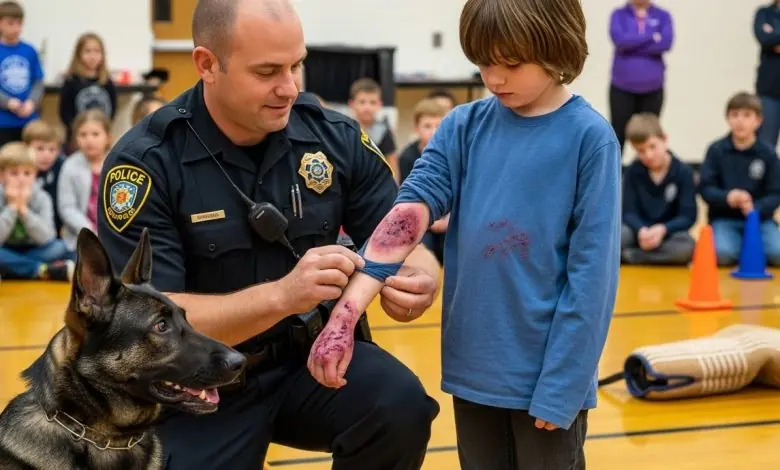
Noticing sudden purple patches on your arms can be alarming—and you’re not alone. Many people experience this as they age, often without a clear cause. While it can be concerning or embarrassing, understanding the underlying mechanisms and how to manage them can bring peace of mind.
With your doctor’s appointment weeks away, knowing what to monitor and how to care for your skin can help you feel more in control.
As we grow older, our skin undergoes several changes:
Thinning skin: Collagen production decreases by about 1% per year after age 20, making the skin more fragile.
Fragile capillaries: Tiny blood vessels beneath the skin become more delicate and prone to breaking, causing blood to leak into the surrounding tissue.
These changes make even minor bumps capable of leaving noticeable bruises. Studies indicate that up to 10% of people over 50 experience such spontaneous bruising, medically referred to as senile purpura.
Senile purpura (or actinic purpura) is a benign skin condition that presents as purple bruises, usually on the forearms and hands.
Despite its name, it is not necessarily a sign of aging alone—sun exposure, medications, and supplements can make it worse.
Importantly, it does not indicate serious illness. Its impact is primarily cosmetic, though repeated bruising can be frustrating.
The dermis (middle skin layer) contains collagen and elastin, which support blood vessels. As these proteins degrade:
Blood vessels become more fragile
Fat padding under the skin decreases, reducing cushioning
Skin loses elasticity, making minor bumps more likely to leave visible bruises
Even small injuries—brushing against a countertop or bumping into a doorframe—can produce pronounced purpura.
Certain medications and supplements can exacerbate bruising:
Blood thinners: Aspirin, warfarin, and other anticoagulants
NSAIDs: Ibuprofen, naproxen
Supplements: Fish oil, ginkgo biloba, vitamin E (due to blood-thinning effects)
If you take any of these, discuss their impact with your healthcare provider to understand potential risks.
While senile purpura is usually harmless, persistent or unusually large bruises can sometimes indicate underlying issues, such as:
Coagulation disorders or platelet abnormalities (e.g., thrombocytopenia)
Systemic symptoms: Unexplained weight loss, fever, prolonged bleeding
If these occur, seek medical evaluation promptly.
While waiting for your doctor:
Keep a bruise diary: Note onset, size, duration, and any triggers
Observe skin color and texture changes
Track lifestyle factors: Sun exposure, diet, and medication use
Documenting patterns will help your healthcare provider assess your risk and guide testing.
Cold compresses immediately after a bump may reduce severity
Avoid heat in the first 24 hours, which can increase blood flow and worsen bruising
Social media “hacks” like banana peels or vinegar have limited scientific support
Focus on evidence-based strategies rather than anecdotal remedies.
Sun exposure thins skin and damages collagen
Smoking reduces circulation and further breaks down skin proteins
Nutrient deficiencies (vitamins C and E) can weaken skin integrity
Adopting protective habits can reduce the frequency and severity of bruising.
Moisturizers with hyaluronic acid help retain skin hydration
Retinoids may improve skin thickness and elasticity
Broad-spectrum sunscreen protects against further sun damage
Antioxidants like vitamin C serums support collagen production
These measures help fortify fragile skin and limit bruising over time.
Typical duration: 1–3 weeks
Bruises change color as blood is reabsorbed
Susceptibility may persist due to thin skin and fragile vessels, but preventive care can reduce frequency
When you see your physician:
Share a complete bruise history, including frequency, location, and triggers
Note any associated symptoms like fatigue or bleeding elsewhere
Ask about blood tests to check platelet counts, clotting factors, and overall blood health
This will help rule out serious conditions and guide appropriate management.
Repeated bruising can affect confidence and emotional well-being:
Consider camouflage makeup designed for sensitive skin
Practice self-care and focus on overall skin health
Seek support from friends, family, or counseling if anxiety persists
Addressing both physical and emotional aspects can help maintain quality of life while managing senile purpura.