How to grow lemons in pots for abundant fruit all year round, more than enough for the whole family to eat
Tips 20/12/2025 16:47
The human body is a complex system, and changes in the color of the skin or mucous membranes are often early warning signs of underlying diseases. Sometimes, seemingly “strange” red signs appearing on the body are actually silent alerts of serious illnesses, even cancer.
Below are three red signs that few people pay attention to, despite their potential connection to internal organ health—especially cancer:
Bright red palms, usually appearing symmetrically on both hands, particularly at the base of the palms and on the fingers, are known as palmar erythema. This condition can be associated with various health problems, including cancer.
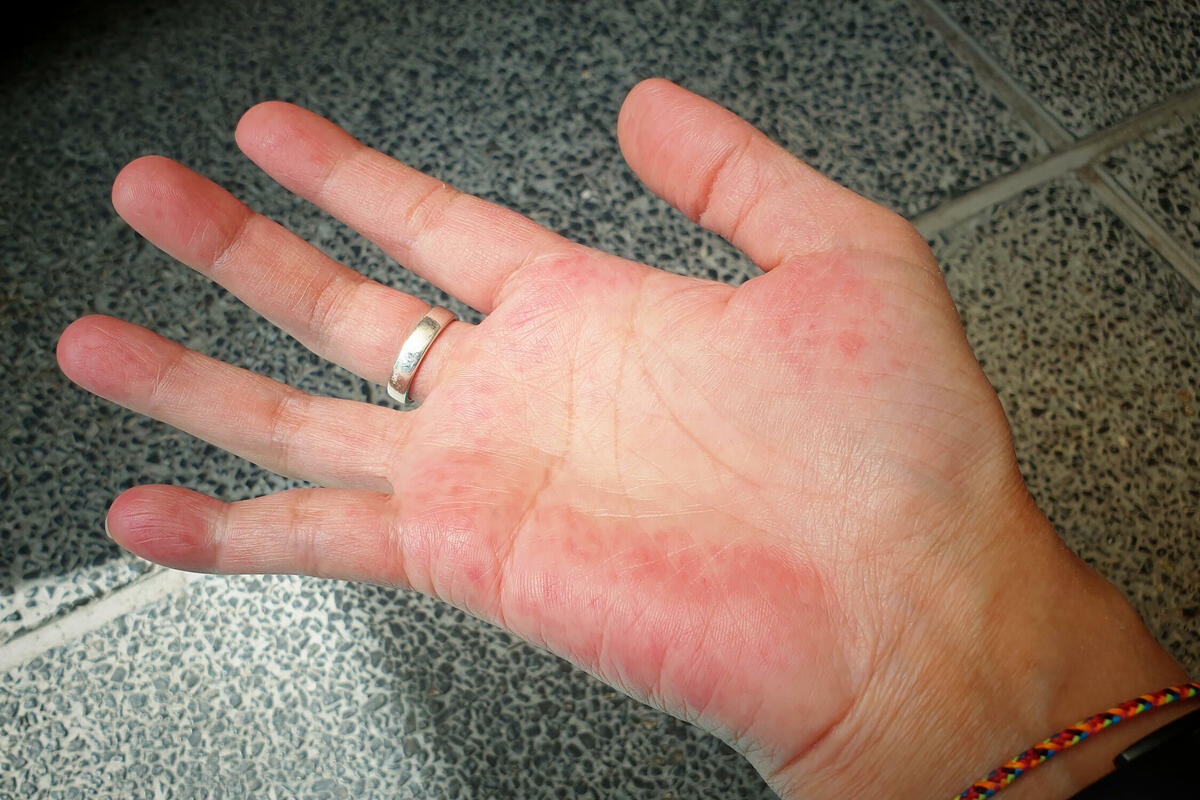
Palmar erythema may be a manifestation of paraneoplastic syndrome, which is associated with cancers such as liver cancer or lung cancer (commonly squamous cell carcinoma). It can also occur in certain blood cancers. The proposed mechanisms include hormonal disturbances, vascular abnormalities, or inflammatory mediators released by tumors.
In addition, palmar erythema may result from liver cirrhosis due to increased estrogen levels that are not properly metabolized by the liver. Pregnancy, thyroid disorders, and rheumatoid arthritis can also cause this condition.
Cherry angiomas (also known as ruby spots) are small, bright red skin lesions resembling cherries, caused by benign proliferation of small blood vessels under the skin. While most cherry angiomas are harmless, the sudden and rapid appearance of many lesions can be concerning.
An abrupt outbreak of multiple cherry angiomas over a short period may be associated with severe liver damage, including liver cancer. When liver function declines, detoxification and hormonal regulation are disrupted, leading to abnormal blood vessel growth.
However, cherry angiomas can also appear due to aging, genetic factors, pregnancy, or limited exposure to certain chemicals. Still, a rapid and extensive increase warrants careful medical evaluation.
Red ulcers, wounds, or patches appearing in the oral cavity—on the tongue or gums—may seem like ordinary mouth ulcers or minor injuries. However, if they persist and do not heal within two weeks, they are extremely dangerous.
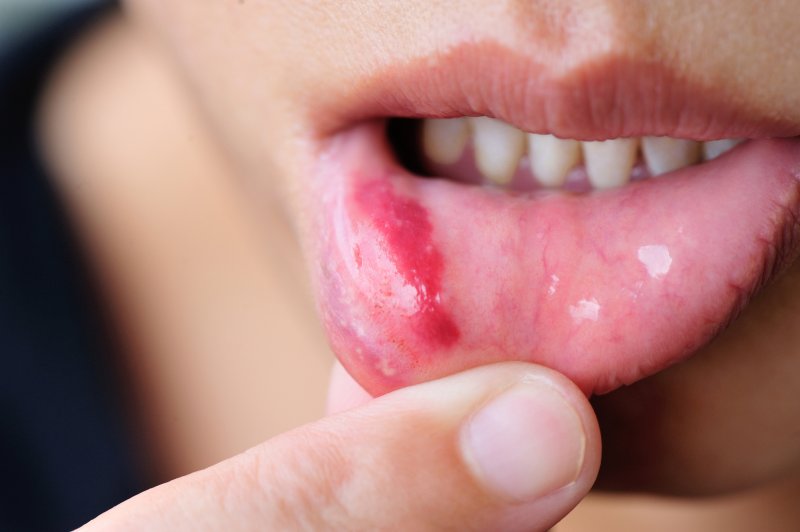
Persistent red sores are among the early warning signs of oral cancer or tongue cancer. Unlike common aphthous ulcers, cancerous ulcers are often painless in the early stages, have poorly defined borders, and may appear as red or white patches. The risk is higher in people who smoke or consume alcohol.
Common benign causes include aphthous ulcers (canker sores), fungal infections (oral thrush), or trauma from dentures. Nevertheless, any red lesion that does not heal after more than 14 days should be biopsied to rule out the risk of cancer.