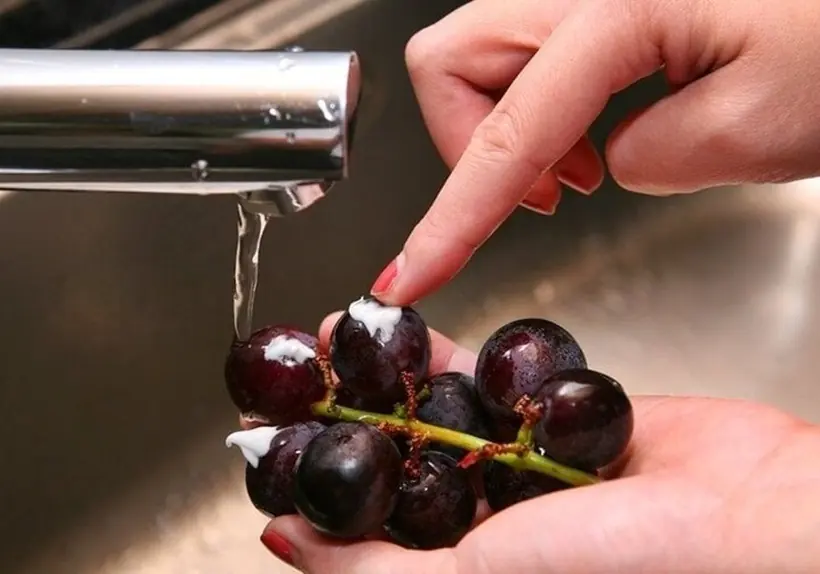
This is the correct way to wash grapes; washing them wrong can make them even dirtier
Tips 07/12/2025 21:49
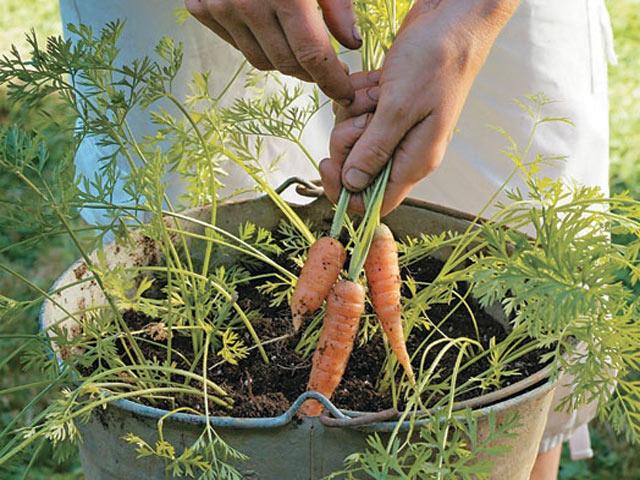
Besides being a versatile ingredient for delicious dishes, carrots also offer impressive health benefits. They help slow down aging, support heart health, improve liver function, strengthen teeth, and reduce the risk of infections. With just a small space and a few basic tools, you can easily grow fresh, sweet, and nutritious carrots right at home.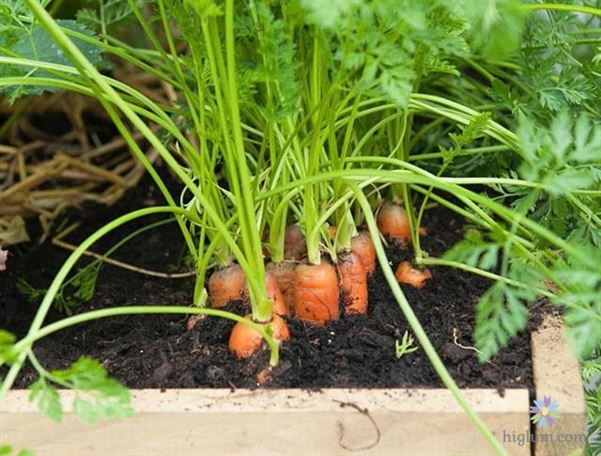
You can make use of everyday items such as plastic bags, cement bags, pots, trays, Styrofoam boxes, or even a small patch of garden soil.
Make sure the bottom of the container has drainage holes to prevent waterlogging. The ideal container should be at least 20–25 cm deep to allow the roots to develop properly.
Carrots grow best in loose, well-drained, fertile soil with a light texture. This helps the roots expand straight and evenly.
You can buy ready-made potting soil or mix your own by combining:
Aged cow or chicken manure
Worm castings
Rice husks
Coconut coir
Garden soil
A fluffy, nutrient-rich soil mix will greatly improve germination and yield.
You can easily buy carrot seeds at agricultural stores or supermarkets. For better productivity, choose high-yield carrot varieties that are suitable for your local climate.
Carrot seeds have a hard outer layer and fine hairs, so before sowing, gently rub the seeds between your hands to remove the small hairs.
Next, mix the seeds with humus at a 1:1 ratio and lightly moisten them. Keep the mixture damp for 2–3 days before sowing to help the seeds germinate faster.
When sowing:
Plant 2–3 seeds per hole
Keep a spacing of 7–10 cm between each hole
After sowing, cover the surface with a thin layer of soil or chopped straw. Water lightly every morning to maintain moisture.
Water once a day in the early morning using a gentle spray nozzle. Avoid watering too heavily, as this may expose or damage young roots.
When the seedlings reach 5–7 cm in height, remove the weak or stunted plants, leaving only the strongest ones. Each spot should have 1–2 healthy plants.
Use scissors to cut the weaker plants instead of pulling them out, as pulling can disturb the roots of the remaining seedlings.
At around 15 days old, apply the first round of fertilizer using organic compost such as cow manure, chicken manure, goat manure, or worm castings. Continue fertilizing every 15–20 days, combined with loosening the soil and removing weeds.
If the carrot shoulders begin to rise above the soil, gently cover them with soil to prevent them from turning green.
Carrots are often called “the ginseng of the poor” because they are nutritious, affordable, and beneficial for overall health.
Carrots are ready for harvest 100–130 days after planting. The best time to harvest is when:
The lower leaves turn yellow
New leaves stop growing
The carrot shoulders become round and even
For best quality, harvest on dry, sunny days. Gently pull the carrots from the soil, remove excess dirt, rinse with clean water, and trim the leaves—leaving about 15–20 cm of stem.
Freshly harvested carrots can be stored in a cool, dry place or kept in the refrigerator to maintain their sweetness and crunch.