What your doctor’s not telling you about statins will shock you
Health 13/12/2025 01:20
Tuberculosis (TB) remains one of the most persistent infectious diseases worldwide, despite decades of global medical progress. Every year, millions of new cases appear, often because the symptoms develop slowly and are easily mistaken for common conditions like the flu, fatigue, or bronchitis. Early recognition is crucial—not only for effective treatment, but also to prevent transmission to family members, coworkers, and the community. This article breaks down the key warning signs, risk factors, and early symptoms of TB that should never be ignored.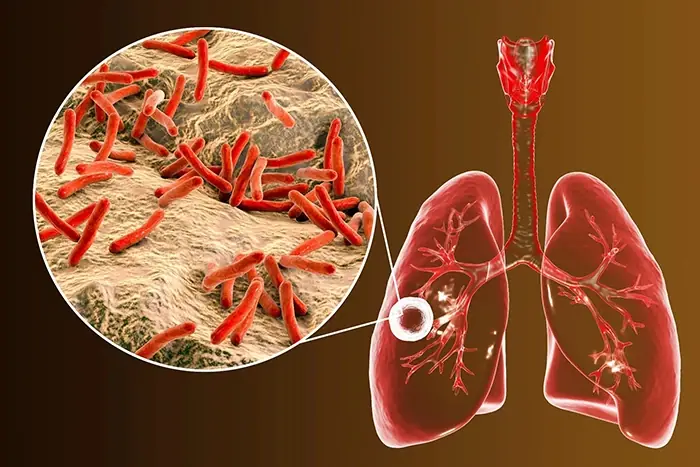
Tuberculosis is an infectious disease caused by the bacteria Mycobacterium tuberculosis. It primarily affects the lungs (pulmonary TB), though it can also spread to the spine, kidneys, lymph nodes, or brain (extrapulmonary TB). TB spreads through droplets from coughing, sneezing, or even talking.
One important thing to know is that TB does not always cause symptoms. Many people carry the bacteria in an inactive form, known as latent TB infection, which can reactivate later in life. Because of this, early detection is essential.
A chronic cough is the hallmark early sign of TB. The cough may start dry, then progress to mucus production. Any cough that lingers for over three weeks should be evaluated by a healthcare provider, especially if you live in an area where TB is common.
Even small streaks of blood in sputum should be taken seriously. This happens when TB damages lung tissue.
TB-related chest pain may feel sharp during breathing or persistent due to inflammation in the lungs or pleura.
TB also affects the entire body by triggering long-term inflammation.
Low-grade fever that comes and goes is extremely common—especially in the afternoons or evenings.
Waking up drenched in sweat is one of the clearest red flags. Night sweats from TB are usually intense and recurrent.
Weight loss may occur even without changes in diet. This happens because active TB increases the body’s metabolic demand.
TB drains your energy gradually, leaving you tired even after adequate rest.
Understanding risk can make early detection easier.
People with weakened immune systems
Those in close contact with someone who has active TB
Healthcare workers
People living in crowded environments
Smokers
Those with chronic diseases like diabetes
As TB spreads silently, even individuals without risk factors must pay attention to persistent symptoms.
TB doesn’t always stay in the lungs. Other forms may involve:
Swollen glands in the neck or armpits
Painless lumps that gradually enlarge
Persistent headache
Neck stiffness
Confusion or behavior changes
Back pain
Difficulty walking
Blood in urine
Lower back discomfort
Extrapulmonary TB is harder to diagnose because it mimics many other conditions.
Seek medical attention if you experience:
A cough lasting more than 2–3 weeks
Night sweats
Unexplained fever
Unexplained weight loss
Exposure to someone with TB
Early diagnosis = simpler treatment + reduced transmission.
Doctors may use:
Chest X-ray
Sputum microscopy or culture
Tuberculin skin test
Interferon-gamma release assay (IGRA)
CT scans for complicated cases
TB treatment involves multiple antibiotics over a 6–9 month period. Adhering strictly to treatment is essential to prevent drug-resistant TB.
Ensure good ventilation
Wear masks in high-risk environments
Complete vaccines like the BCG (in places where recommended)
Get tested if you’re at risk
This article is for educational purposes only and does not replace medical advice. Always seek professional care for diagnosis or treatment.