
What Your Partner Does Every Day Could Quietly Affect Your Health
Health 23/03/2026 09:45
Waking up with numb or tingling hands is a common experience, often described as a "pins and needles" sensation. This is medically known as paresthesia and is usually caused by temporary pressure on the nerves in your hands or arms while you sleep. The sensation typically goes away quickly once you change your position and blood flow returns to normal.
However, if you frequently wake up with numb, tingling, or stiff hands, there may be an underlying cause that needs attention. Conditions like carpal tunnel syndrome, nerve damage, or other health issues could be responsible for this chronic discomfort.
The hand contains a complex network of nerves, including the median, radial, and ulnar nerves, which are responsible for sensation. When any of these nerves are compressed, damaged, or irritated, you may experience numbness, tingling, or pain. The most common cause is sleeping in a position that puts prolonged pressure on these nerves.
If a health condition is causing your hands to fall asleep, you may also experience other symptoms, such as:
A tingling sensation that travels up your arm to your shoulder.
Weakness or difficulty gripping objects.
Burning pain when sensation returns to your hands.
Tingling or numbness in both your hands and feet.
1. Sleeping in the Wrong Position: This is the most frequent cause. Sleeping with your head on a crooked arm, with your arms outstretched above your head, or with an arm tucked under your body can compress the nerves in your arm and hand. Changing your sleeping position, for example, by sleeping on your side, can often prevent this.
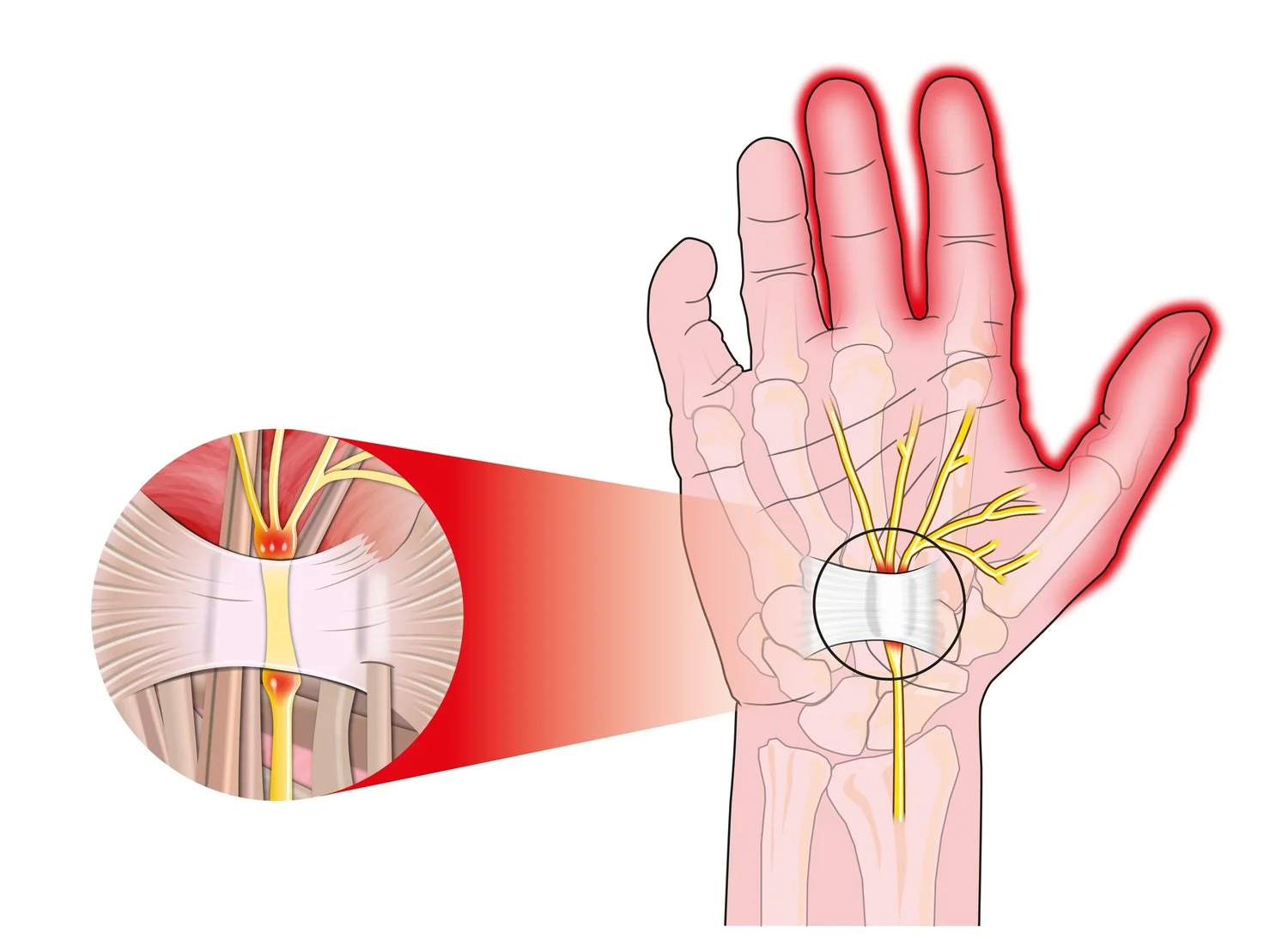
2. Carpal Tunnel Syndrome: This condition occurs when there is continual pressure on the median nerve in your wrist. It is a very common reason for waking up with tingling hands, which may also feel stiff. As the condition progresses, the tingling may persist throughout the day. Gently shaking your hands in the morning can sometimes provide relief.
3. Ulnar Nerve Compression: The ulnar nerve runs through your elbow and down to your pinky and ring fingers. Compression of this nerve, often from sleeping with a bent elbow, can cause tingling and numbness specifically in these fingers. You may also feel weakness or a burning pain in your arm.
4. Vitamin Deficiencies: A lack of certain vitamins can lead to nerve damage that causes hand tingling or numbness. Deficiencies in Vitamin B12, Vitamin B6, and Vitamin E can all affect the nervous system and lead to a condition called nutritional neuropathy.
5. Underlying Health Conditions: In some cases, waking up with numb hands can be a symptom of a more serious health issue:
Diabetes: High blood sugar levels can damage peripheral nerves, a condition known as diabetic neuropathy. This often causes tingling and numbness in the hands and feet, which can be more pronounced in the morning.
Stroke: Persistent tingling or numbness in one hand or arm could be a complication of a stroke due to nerve damage. In rare cases, waking up with a paralyzed arm can be a sign of a "wake-up" stroke.
Multiple Sclerosis (MS): This autoimmune disease attacks nerve fibers, and numbness or tingling in the hands and other parts of the body is a common symptom.
Other Issues: Other causes can include Raynaud’s disease, medication side effects, nerve damage from an injury, and infections like Lyme disease.

If your hands feel numb or tingly upon waking, you can try these simple techniques to restore feeling:
Shake Your Hands: Gently flick or shake your hands for a few seconds to help improve circulation.
Stretch Your Arms: Stretch your arms in front of you and slowly raise them above your head.
Loosen Your Neck and Shoulders: Gently move your head from side to side and roll your shoulders to release tension in the nerves.
Change Your Sleeping Position: Avoid sleeping on your arm or hand. Try sleeping on your side.
Exercise Regularly: This can improve circulation and reduce nerve strain.
Maintain Good Posture: Good posture throughout the day can prevent muscle and nerve strain.
Take Breaks: If you do repetitive tasks with your hands, take regular breaks to stretch and rotate your wrists.
Ensure a Healthy Diet: A well-balanced diet will help prevent vitamin deficiencies that can cause nerve damage.
While most cases are harmless, you should see a doctor if your numbness and tingling:
Starts gradually and becomes more persistent.
Spreads to other parts of your body.
Begins after a traumatic injury.
Is felt in only one or two fingers.
Seems related to repetitive tasks.