Never Broken a Bone
Health 17/02/2026 08:45
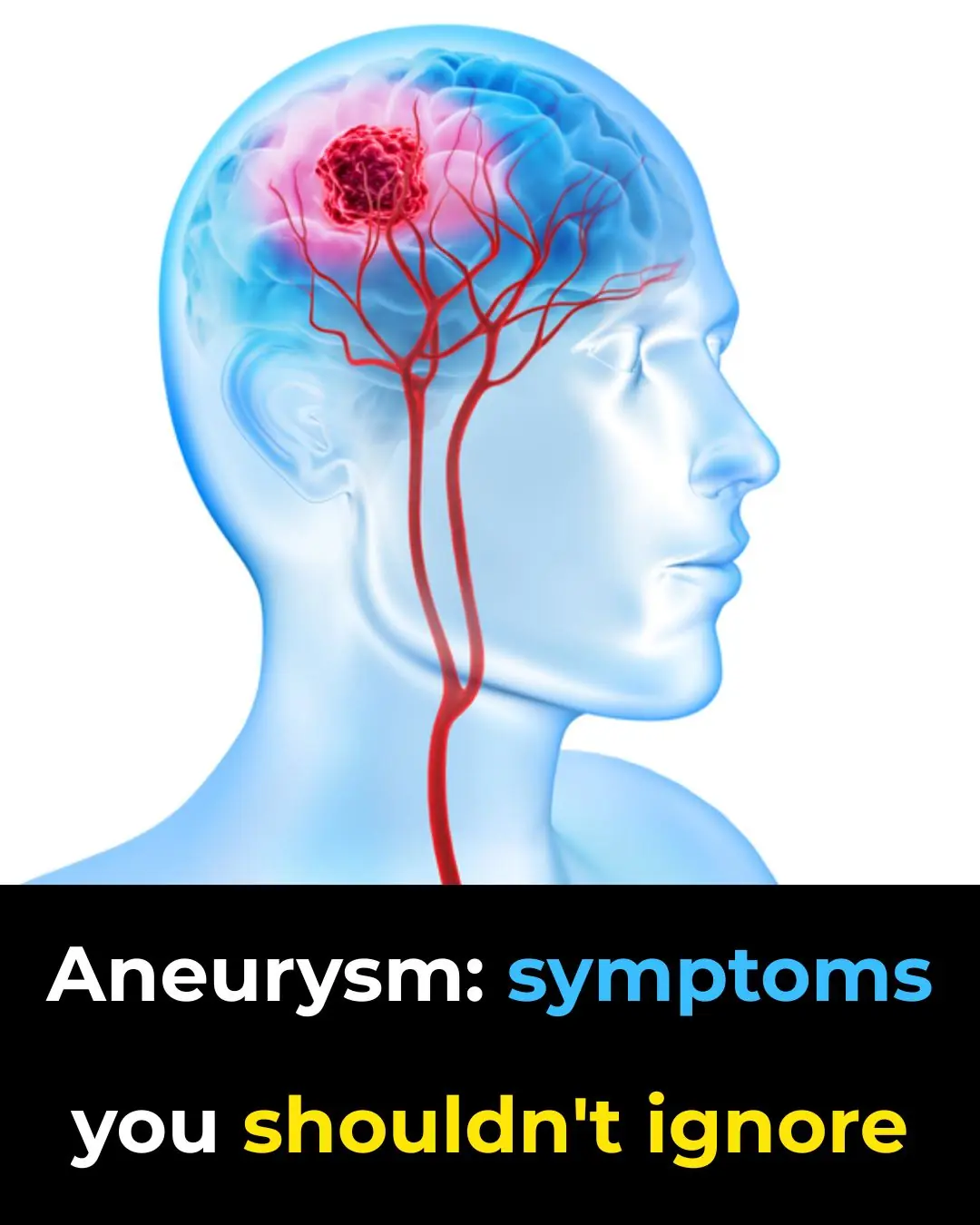
A brain aneurysm — also known as a cerebral or intracranial aneurysm — occurs when a blood vessel in the brain develops a weak, bulging spot that looks like a “berry” hanging from a stem. While many aneurysms remain harmless and never cause symptoms, a rupture can lead to a life-threatening hemorrhagic stroke within minutes.
Understanding the signs, risks, and complications can save lives. Here’s what every person should know.
A brain aneurysm forms when constant blood pressure pushes against a weakened area of an artery wall, causing it to balloon outward. If the aneurysm leaks or bursts, blood spills into the space surrounding the brain — a dangerous condition known as a subarachnoid hemorrhage.
Most aneurysms are small and do not rupture. Many are discovered accidentally during scans done for unrelated health issues. But a ruptured aneurysm is a medical emergency requiring immediate treatment.
The most common type. A round, blood-filled sac bulges from an artery, usually near the base of the brain.
The artery expands outward on all sides, creating a spindle-shaped dilation.
Caused by an infection that weakens the arterial wall.
A ruptured brain aneurysm typically causes a sudden, severe headache — often described as:
“The worst headache of my life.”
Other symptoms may include:
Nausea and vomiting
Stiff neck
Blurred or double vision
Sensitivity to light
Seizures
Loss of consciousness
Confusion or disorientation
This is a medical emergency. Call 911 immediately.
Sometimes a small amount of blood escapes before a major rupture. Warning signs may appear days or even weeks beforehand.
Common symptom:
A sudden, intense headache that persists for days.
This should be treated as a red flag.
Many unruptured aneurysms cause no symptoms unless they are large enough to press on nerves or brain tissue.
Possible signs include:
Pain above or behind one eye
Dilated pupil
Blurred or double vision
Numbness on one side of the face
Seizures
Get emergency help immediately if:
You or someone nearby experiences a sudden, severe headache
Someone loses consciousness
A seizure occurs
Time is critical. Fast treatment can prevent fatal complications.
Aneurysms form when artery walls weaken. They most often occur at branching points of arteries at the base of the brain.
Several factors increase the risk, including:
Smoking
High blood pressure
Heavy alcohol use
Use of stimulant drugs (especially cocaine)
Certain blood infections
Head injuries
Ehlers–Danlos syndrome and other connective-tissue disorders
Polycystic kidney disease
Brain arteriovenous malformations (AVMs)
Narrowing of the aorta (coarctation)
Family history of brain aneurysm — especially two or more first-degree relatives
Aneurysms most commonly occur in adults aged 30–60, and women are affected more frequently than men.
Some aneurysms are more likely to burst:
Large size
Irregular shape or “daughter sac”
Certain locations in the brain
Smoking
Uncontrolled high blood pressure
A ruptured aneurysm may stop bleeding quickly, but even a brief hemorrhage can cause serious damage.
Possible complications include:
The aneurysm may bleed again, causing further brain injury.
Blood vessels constrict after a hemorrhage, cutting off blood flow and leading to ischemic stroke.
Blood blocks normal cerebrospinal fluid drainage, causing a dangerous buildup of fluid and pressure in the brain.
Bleeding may lower sodium levels, resulting in brain swelling and permanent damage.
While not all aneurysms can be prevented, certain habits significantly reduce risk:
✅ Quit smoking
✅ Control blood pressure
✅ Limit alcohol
✅ Avoid drug use, particularly cocaine
✅ Manage chronic medical conditions with your doctor
If you have a strong family history of aneurysms, talk to your healthcare provider about screening.
Brain aneurysms are often silent — until they’re not. Recognizing early warning signs, understanding your risk, and seeking immediate help for severe, sudden headaches can save your life or the life of someone you love.