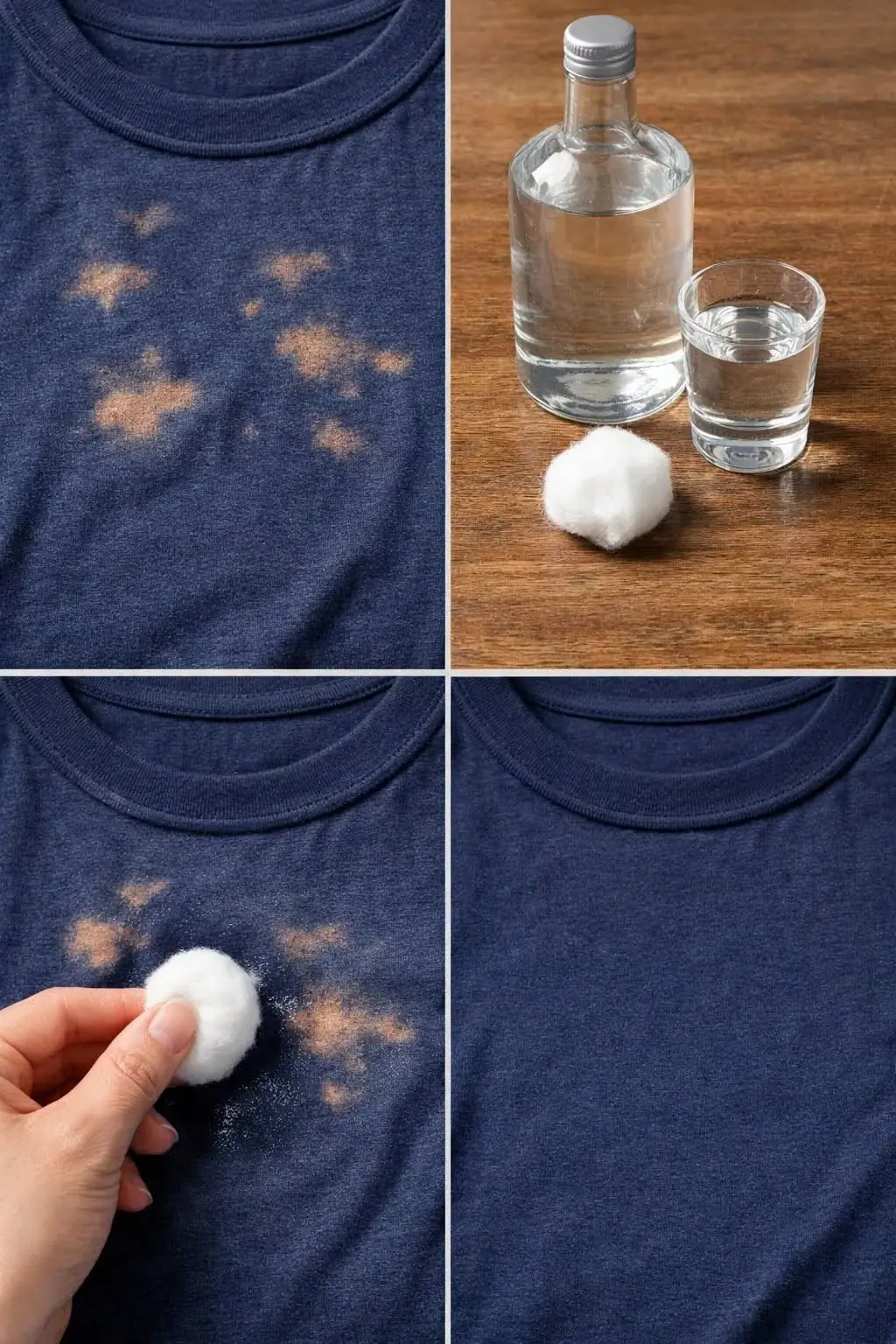
Bleach Stains on Your Clothes? No Need to Throw Them Away: Here's the Solution
Tips 24/06/2026 22:45
Today’s washing machines are becoming increasingly advanced, offering greater washing capacities and improved performance. When purchasing a washing machine, one of the first things most people notice is the capacity rating — for example, 7kg, 8kg, 10kg, or even higher. However, that number doesn’t tell the whole story. Understanding what it truly represents will help you use your machine more efficiently and keep your clothes in better condition.
When you load dirty clothes into the washing machine, the drum fills with water, making the clothes much heavier than when they were dry. The weight listed on the washing machine — such as 7kg or 10kg — actually refers to the maximum load of dry clothes that the machine can effectively wash in one full cycle.
For example, a 7kg washing machine means you can safely wash up to 7 kilograms of dry laundry in a single load. If you exceed this amount, the clothes will become too heavy once soaked with water, potentially overloading the drum and reducing washing efficiency.
The actual load capacity can also vary depending on the fabric type and texture. A load of cotton clothing will behave differently from a load of jeans or towels, as different materials absorb different amounts of water.
Manufacturers calculate machine capacity based on standard cotton fabric, which has an average density and absorbs a moderate amount of water. Lighter fabrics such as silk or linen tend to absorb less water, while heavier materials like denim or wool absorb much more.
This means that even if two loads of clothing weigh the same when dry, they may differ significantly in weight once wet. For heavy fabrics, it’s best to reduce the load size slightly to ensure proper washing and rinsing. Ideally, your laundry should fill no more than two-thirds of the drum, leaving space for water and movement.
Putting too many clothes in the machine may seem like a time-saver, but it can cause several issues:
Reduced cleaning performance: Clothes can’t move freely, preventing detergent and water from circulating properly.
Increased wear and tear: Overloading strains the drum and motor, potentially leading to costly damage.
Clothes damage: Fabrics may twist, stretch, or tear due to excessive friction.
On the other hand, underloading — using less than 20% of the drum capacity — is also inefficient. With too few clothes, they don’t rub against each other, resulting in poor cleaning and wasted water and energy.
Your ideal washing machine size depends on the number of people in your household and how often you do laundry:
1–2 people: A 6–7kg washing machine is sufficient.
3–4 people: Opt for an 8–10kg model.
5 or more people: Consider a 10–12kg capacity or higher.
Choosing a capacity that fits your family’s needs helps you save electricity, water, and time. A machine that’s too small forces you to run multiple loads per day, while one that’s too large wastes resources if it’s not filled properly.
Use the right detergent.
Always choose detergent formulated for your machine type — front-load or top-load. Front-load machines require low-foam detergents, while top-load models can handle more suds.
Measure detergent properly.
Too much detergent can leave residue and damage fabrics, while too little reduces cleaning efficiency.
Distribute clothes evenly.
Uneven loads can cause imbalance and noise during spinning. Spread clothes evenly inside the drum for smoother operation.
Don’t forget maintenance.
Clean the drum, detergent drawer, and lint filter regularly to prevent mold buildup and maintain performance.
Mind your fabrics.
Separate heavy items (like jeans and towels) from delicate ones (like silk or lace) to protect their texture and color.
The weight number on your washing machine is more than just a label — it’s a guide to optimal performance and longevity. By understanding the difference between dry and wet weight, adjusting your laundry loads, and choosing the right capacity for your household, you’ll not only keep your clothes cleaner and fresher but also extend the life of your washing machine.




Skip the Store-Bought Drinks: This Homemade Strawberry Juice Is Bursting With Fresh Flavor and Ready in Just 10 Minutes

A Closer Look at the Juicy Steak: Exploring a Culinary Delight



Math problem from school that many adults fail: Solve it without a calculator




Found Red Wax on Your Door Lock



Key Tips for Traveling Safely and with Good Planning in 2026