How Guava Can Naturally Support Your Eye Health: Surprising Benefits and Safe Remedies
Garden Healthy 09/01/2026 15:21
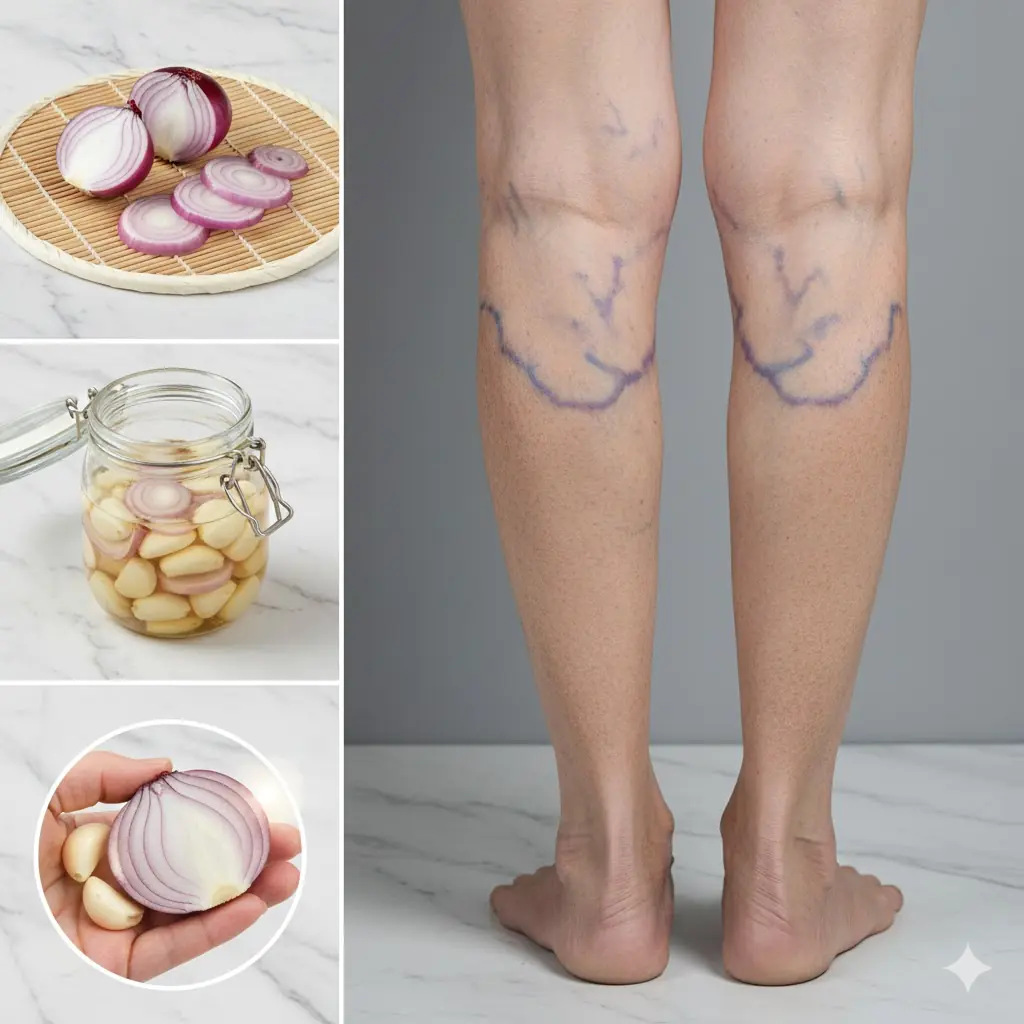
Garlic has long been celebrated as a natural superfood. It is widely known for its potential benefits in supporting heart health, boosting immunity, and providing anti-inflammatory and antimicrobial effects. However, despite its positive reputation, garlic can become harmful when it is consumed or used incorrectly. The idea that garlic can “turn into poison” is an exaggeration—but it is rooted in real medical concerns that are often misunderstood or ignored.
The problem does not lie in garlic itself, but in how people use it. One of the most common mistakes is excessive consumption, especially of raw garlic. In large amounts, raw garlic can irritate the digestive tract, leading to stomach pain, nausea, acid reflux, and even gastrointestinal bleeding in sensitive individuals. The active compound allicin, which gives garlic its health benefits, is also highly potent and can become harsh on the body when taken in excess.
Another major risk comes from concentrated garlic supplements. Unlike garlic used in cooking, supplements can deliver very high doses of active compounds. When taken without medical guidance, these supplements may increase the risk of bleeding, lower blood pressure too much, or interact dangerously with medications. This is particularly concerning for older adults and people taking blood thinners, heart medications, or drugs for diabetes.
Garlic can also become risky when consumed on an empty stomach in large quantities. While some people promote this practice for “detox” purposes, doctors warn that it can cause burning sensations, inflammation of the stomach lining, and dizziness. For individuals with ulcers, gastritis, or sensitive digestion, this habit can significantly worsen symptoms.
In rare cases, improper use of garlic in home remedies can cause skin burns or nerve irritation. Applying raw garlic directly to the skin or leaving it on for too long—especially under bandages—has been documented to cause chemical burns. These cases highlight how natural substances can still be dangerous when misused.
Another overlooked issue is drug interaction. Garlic has natural blood-thinning properties. When combined with medications such as aspirin, warfarin, or certain heart drugs, it may increase the risk of bleeding or interfere with treatment effectiveness. Medical professionals consistently advise patients to inform their doctors about heavy garlic intake or supplement use, especially before surgery.
Health experts stress an important distinction: garlic does not become toxic in normal culinary use. Cooked garlic, used in reasonable amounts as part of a balanced diet, is generally safe for most people. Problems arise when garlic is treated as medicine without understanding dosage, interactions, or individual health conditions.
The takeaway is simple but critical. Natural does not always mean harmless. Garlic is beneficial when used wisely, but harmful effects can occur when it is overused, concentrated, or combined irresponsibly with medications. Responsible consumption—moderation, proper preparation, and medical awareness—is what keeps garlic a health ally rather than a risk.