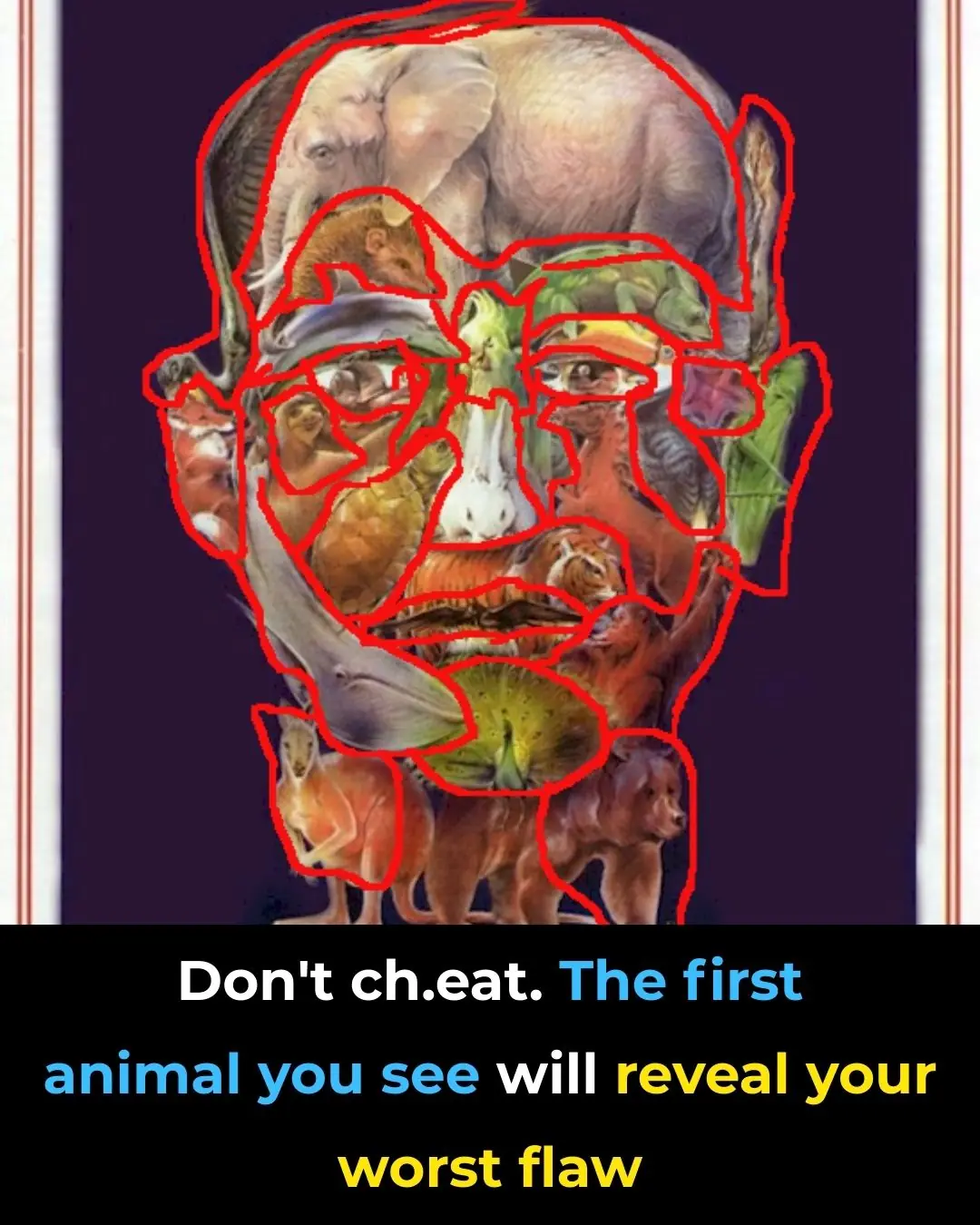
What the First Animal You See Reveals About Your Hidden Flaw
Facts 28/02/2026 15:49
A new transparency feature introduced by X (formerly Twitter) has sparked widespread conversation about online authenticity, revealing that a surprising number of high-profile accounts aligned with the MAGA (Make America Great Again) movement may not be based in the United States at all. Instead, many of these accounts—often presenting themselves as American conservatives or patriotic activists—were shown to be operated from countries such as Russia, Nigeria, India, and Thailand. The discovery has reignited major concerns about foreign influence, digital manipulation, and the role of coordinated networks in shaping U.S. political discourse.
The tool at the center of this controversy is X’s recently expanded “About This Account” feature. Designed to increase transparency, the feature provides users with several key pieces of information, including the account’s reported location, its history of username changes, and the source of the device used to download the X application. Although the platform clarifies that this information does not reveal a user’s physical address or precise GPS location, it does give indications of the region associated with the account’s registration or activity. After the feature’s rollout, users quickly began examining popular political profiles—and the findings were startling.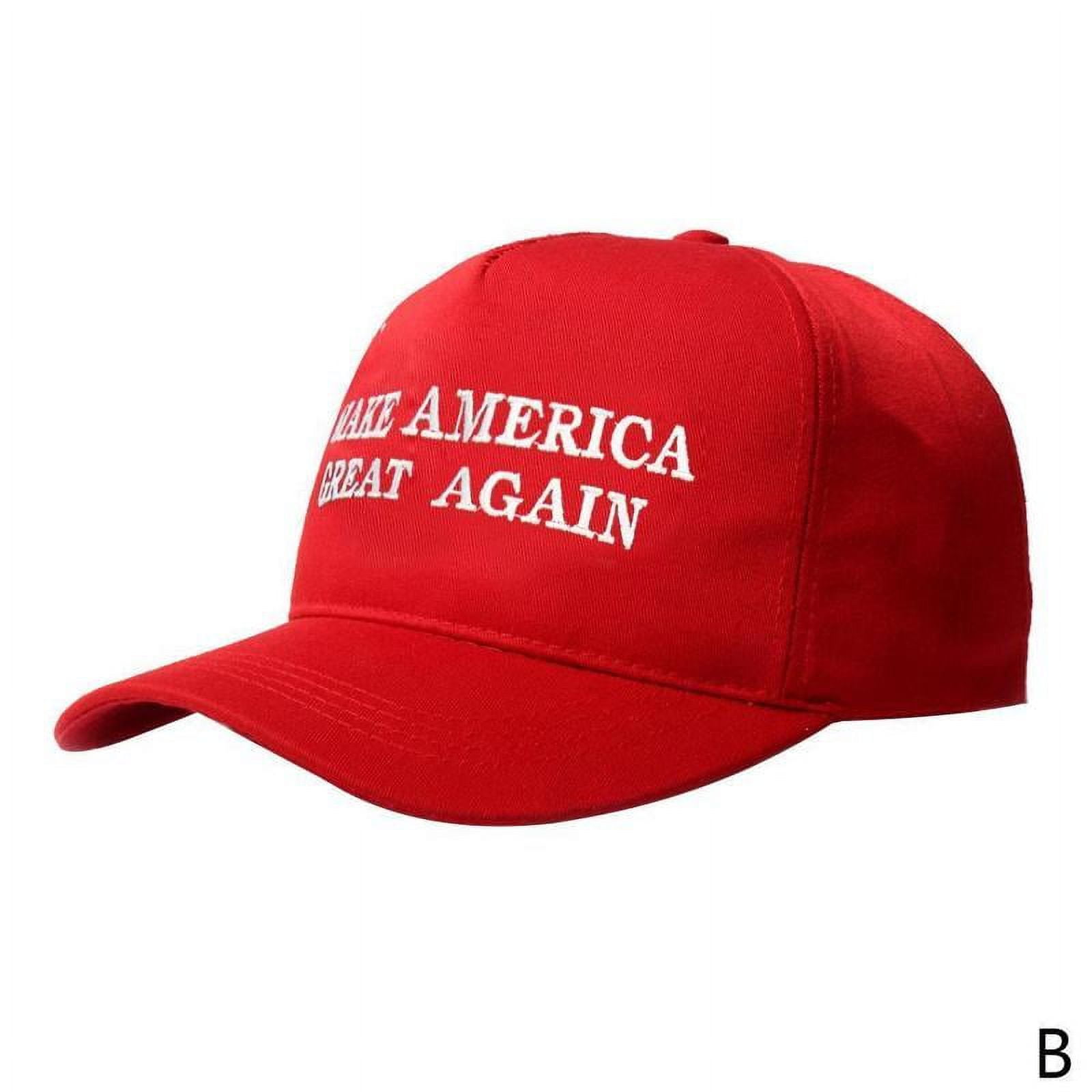
Some accounts with hundreds of thousands of followers, many of them active in spreading pro-MAGA messaging, patriotic slogans, or partisan political content, were unexpectedly listed as being based outside the United States. This contradicted the identities they presented publicly, which often included American flags, references to U.S. military service, or direct alignment with conservative political narratives. The fact that these allegedly American voices were operating from foreign countries raised questions about their authenticity and intentions.
These revelations have revived broader concerns that have been discussed since the 2016 U.S. election cycle. Investigations by organizations such as the U.S. Senate Intelligence Committee, the FBI, and independent research groups like the Stanford Internet Observatory and Digital Forensic Research Lab (DFRLab) have previously documented cases of foreign actors creating inauthentic accounts to influence American political conversations. While not every account revealed by the X transparency feature is necessarily malicious, the pattern highlighted by the tool echoes earlier warnings about misinformation tactics and coordinated disinformation efforts originating overseas.
Experts in digital misinformation note that foreign-run accounts can amplify political polarization, spread misleading narratives, and artificially manipulate the visibility of certain ideological positions. According to reports from The New York Times, Reuters, and the Brookings Institution, such activity has become a global challenge, affecting not only the United States but democracies around the world. The fact that these accounts present themselves as grassroots American voices adds another layer of complexity, making it harder for users to distinguish between genuine political expression and orchestrated manipulation.
The discovery also highlights the evolving nature of online political influence. As social media platforms implement more transparency tools, hidden networks, bot-driven engagement, and identity misrepresentation become easier to detect. Still, the responsibility remains with users to critically evaluate what they encounter online. Not every popular account is who it claims to be, and large follower counts cannot guarantee authenticity.
In light of these revelations, digital literacy experts encourage users to remain cautious: verify sources, analyze information critically, and reflect on whether a profile’s behavior matches its claimed identity. The goal is not to distrust every account, but to remain aware of how easily online spaces can be manipulated—especially during politically sensitive periods.
The rise of these foreign-operated accounts posing as American political voices serves as a reminder that the digital landscape is deeply interconnected and vulnerable to exploitation. As social media platforms like X continue developing tools to increase transparency, public awareness and critical thinking remain essential defenses against misinformation.
👉 Stay alert. Question what you read. Demand authenticity.