Ginger bought home will wilt and sprout after a few days, use this immediately and it will still be fresh and delicious for half a year!
Tips 10/12/2025 14:28
A home is meant to be a place of comfort and safety, yet many seemingly harmless daily habits can gradually cause long-term damage. While these issues often go unnoticed at first, they may eventually lead to costly repairs, hygiene concerns, or structural deterioration. Below are 12 common mistakes to avoid if you want to keep your home clean, healthy, and in excellent condition.
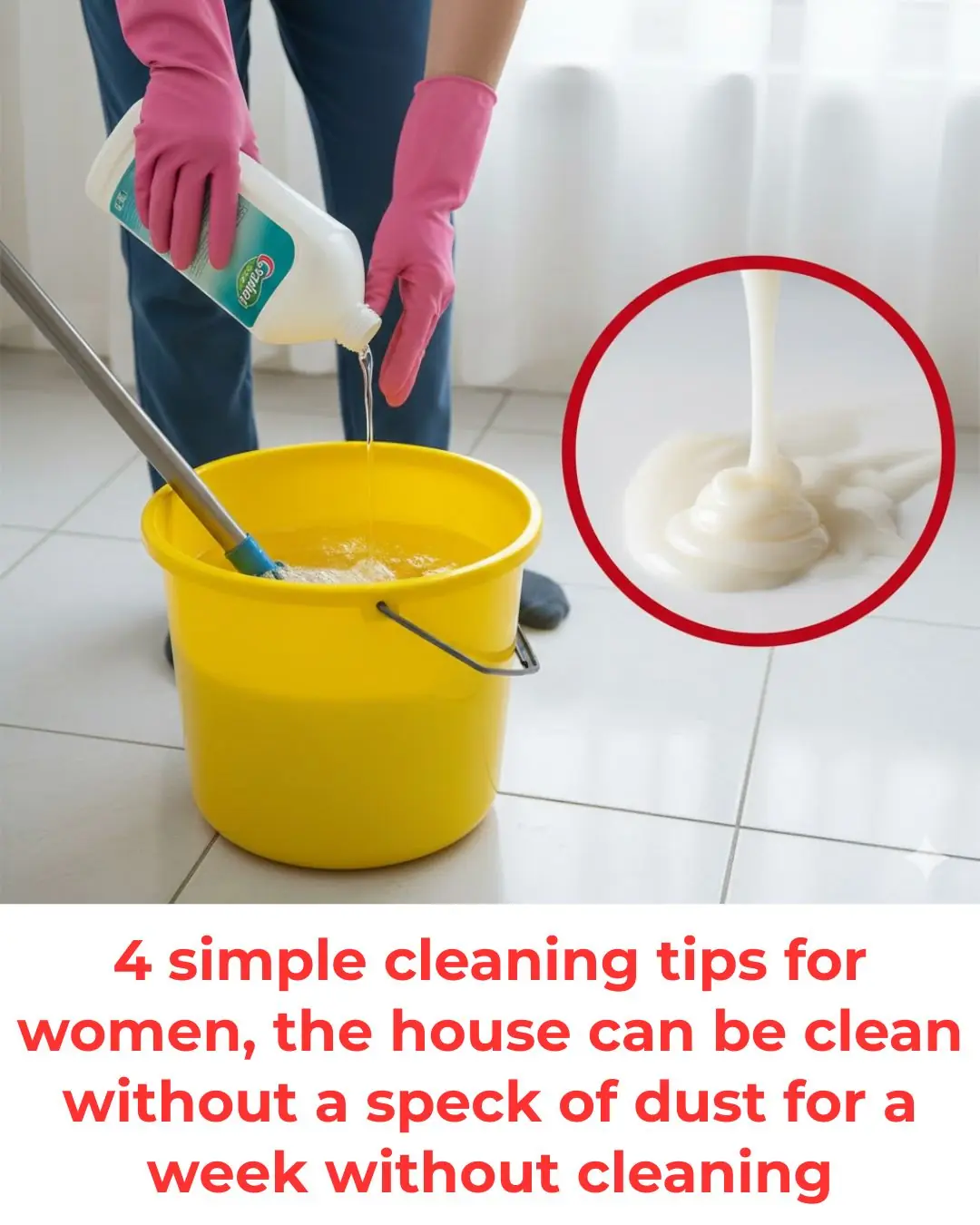
Even all-purpose cleaners can cause damage when misused. For example, toilet bowl cleaners often contain strong acids that can erode grout between tiles. According to the Environmental Protection Agency (EPA), harsh chemical misuse is a common cause of surface deterioration in households. A gentler alternative is a homemade cleaning mixture:
1/2 cup baking soda
1/4 cup hydrogen peroxide
1 tablespoon dish soap
Let the mixture sit for at least five minutes before scrubbing. This method is safe for most grout lines and effectively lifts stains without corroding surfaces.
If you notice streaks or sticky residue while cleaning, the issue may not be dirt—it’s leftover cleaning solution. Direct spraying can make products pool and leave a film behind. Housekeeping experts at Good Housekeeping Institute recommend spraying cleaners onto a cloth or mop instead. This allows more even application and helps protect delicate surfaces from overexposure.
Stepping out of the shower while dripping wet doesn’t just leave water trails—it can slowly warp wood flooring or cause moisture buildup. Excess moisture trapped under rugs or floorboards creates a perfect environment for mold, according to the Centers for Disease Control and Prevention (CDC). Make it a habit to dry off completely before stepping out, which helps protect your floors from long-term moisture damage.
Too much water is one of the biggest enemies of hardwood floors. Over-wetting the mop or using the wrong cleaner can cause swelling, warping, or softening of the wood. The National Wood Flooring Association (NWFA) advises using hardwood-specific cleaners or a diluted mix of oil soap and water. Ensure floors are only lightly damp—not soaking—during cleaning.
Ventilation fans in kitchens and bathrooms play a critical role in controlling humidity and removing harmful particles. According to the U.S. Department of Energy, proper ventilation helps prevent mold growth and improves indoor air quality. Always run the fan after showers or cooking, and clean the vent covers regularly to maintain efficiency.
Bathrooms are notorious for mold, but other areas such as toothbrush holders, fabric items, and decorative towels can also harbor bacteria. Allow these items to air dry and wash towels, mats, and cleaning cloths frequently. Research from Mayo Clinic shows that damp fabrics can hold bacteria and mold spores for days if not dried properly.
Vinegar is an excellent natural cleaner, but its acidity can damage certain materials. The Marble Institute of America warns that vinegar can etch stone surfaces like granite or marble. Likewise, appliance manufacturers note that vinegar may degrade rubber seals in dishwashers. Always check material guidelines before using vinegar-based cleaners.
Contrary to popular belief, making your bed right away may trap heat and moisture inside the sheets. Allowing your bed to air out for a while reduces odor-causing bacteria and sweat buildup. Studies from the Sleep Foundation suggest that airing out bedding can help prevent dust mites and improve overall sleep hygiene.
Kitchen sponges quickly accumulate bacteria and can spread them across surfaces—especially after preparing raw meat or produce. The USDA reports that sponges are one of the most contaminated items in the home. Instead, disinfect cutting boards with hydrogen peroxide, which kills bacteria without smearing germs the way sponges often do.
Sunlight can lift your mood but damage your furniture over time. Prolonged exposure leads to fading, discoloration, and weakened fabric fibers. Interior designers at Architectural Digest recommend drawing curtains or blinds when leaving the house to minimize UV exposure and prevent irreversible fading.
Sweeping can stir dust into the air rather than remove it. A vacuum is more effective on both carpets and hard floors because it traps dust, debris, and allergens. The American Lung Association notes that vacuuming with proper filtration is better for indoor air quality, especially for allergy-prone individuals.
Stuffing closets and storage areas may seem convenient, but it restricts airflow and traps humidity. Poor air circulation can cause mold growth, musty odors, and even structural damage. Overloaded shelves can also strain drywall or built-in cabinetry. Home organization specialists at The Spruce emphasize keeping storage spaces only partially filled to maintain airflow and prevent hidden moisture issues.
By being mindful of these small habits, you can significantly prolong the lifespan of your home and maintain a cleaner, safer living environment. A few simple adjustments now can prevent expensive maintenance problems later—and help you protect the comfort of your home for years to come.