8 Foods You Should Eat Instead of Taking a Vitamin C Supplement
Health 02/03/2026 22:08
 Have you been feeling a bit off recently? Maybe you're noticing a strange tingling sensation in your legs, unexpected hair loss on your lower limbs, or even problems with memory or chest discomfort. These symptoms might seem unrelated, but they could all be signs of something deeper—issues with your blood circulation. More specifically, people often use the phrase “clogged veins” to describe this. But what does that actually mean? And how can you tell if your circulatory system needs attention?
This article will break down what “clogged veins” really refer to, the difference between arteries and veins, the warning signs of poor circulation, and what you can do to protect your vascular health.
Veins vs. Arteries: Arteries carry oxygen-rich blood from the heart to your body, while veins return oxygen-poor blood back to the heart. Lymphatic vessels remove excess fluid.
“Clogged Veins” Are Usually Arterial Problems: While veins can get blocked (like in deep vein thrombosis), most circulation problems come from blocked arteries, not veins.
Symptoms Depend on Type and Location of Blockage: Whether it’s in an artery or a vein—and whether it’s sudden (acute) or gradual (chronic)—the signs will vary.
Acute Arterial Blockages = Medical Emergencies: These can lead to heart attacks, strokes, or even limb loss if not treated immediately.
Chronic Arterial Blockages Develop Slowly: You might notice cold feet, numbness, cramping during activity, or thinning muscles over time.
Varicose Veins Are Not Blockages: They’re caused by faulty valves that let blood pool in the veins, not by a blockage.
Prevention Starts with Lifestyle: Daily habits like regular exercise, healthy eating, quitting smoking, and managing weight play a major role in maintaining good circulation.
Your body is powered by an intricate network that keeps blood and fluids moving efficiently. At the center of it all is your heart—the engine that pumps blood through arteries, veins, and lymphatic vessels.
Arteries are like highways, carrying oxygen-rich blood and nutrients from your heart to your organs and tissues.
Veins return used, deoxygenated blood back to your heart.
The lymphatic system helps remove excess fluid from tissues and return it to the bloodstream.
When any part of this network gets disrupted or “clogged,” symptoms can appear almost anywhere in the body.
One of the few times veins actually get “clogged” is in the case of thrombosis, when a blood clot forms and blocks blood flow.
A common example is deep vein thrombosis (DVT), which usually affects a deep vein in the leg. It can be triggered by prolonged immobility, surgery, certain medications (like birth control), or genetic clotting disorders.
Calf pain that may feel like a cramp
Swelling in the leg
Skin that appears red, pale, or bluish
Veins near the surface that look more pronounced
DVT is serious because the clot can break off and travel to your lungs, leading to a pulmonary embolism—a potentially life-threatening condition.
When people say “clogged veins,” they’re usually referring to arterial blockages. These are far more common and dangerous, as arteries supply your organs and tissues with essential oxygen and nutrients.
An acute arterial blockage can strike without warning. This is what happens during:
Heart attacks, when a clot blocks blood flow to the heart
Strokes, when blood flow is cut off to part of the brain
Acute limb ischemia, when an artery in the leg gets suddenly blocked
In these cases, symptoms are severe and come on quickly:
Sudden, intense pain
Loss of pulse in the affected area
Skin turning cold, pale, or blue
Numbness or tingling (called paresthesias)
These are emergencies. Immediate medical treatment can save your life—or your limb.
Unlike acute events, chronic blockages take time to develop, often due to atherosclerosis—a gradual buildup of plaque inside artery walls.
You may not notice symptoms until the blockage is over 70%, and by then, blood flow is significantly impaired.
Tingling or Numbness: Especially in your feet or hands
Cold Extremities: Feet and hands may feel colder than the rest of your body and can look pale or bluish
Muscle Cramps: Poor oxygen supply causes cramps, especially during movement
Muscle Shrinkage (Atrophy): Without nutrients, muscles weaken and shrink
Pain with Walking (Claudication): You may feel pain, fatigue, or heaviness in your legs after walking a short distance—this eases with rest but returns when you walk again
When arteries feeding the heart become narrowed, it causes angina:
Stable angina: Pain with exertion, relieved by rest
Unstable angina: Pain even at rest—this may precede a heart attack
Blocked carotid arteries (in the neck) reduce blood to the brain, which can lead to:
Confusion
Memory loss
Dizziness
Difficulty concentrating
These may be early signs of a stroke in progress or on the horizon.
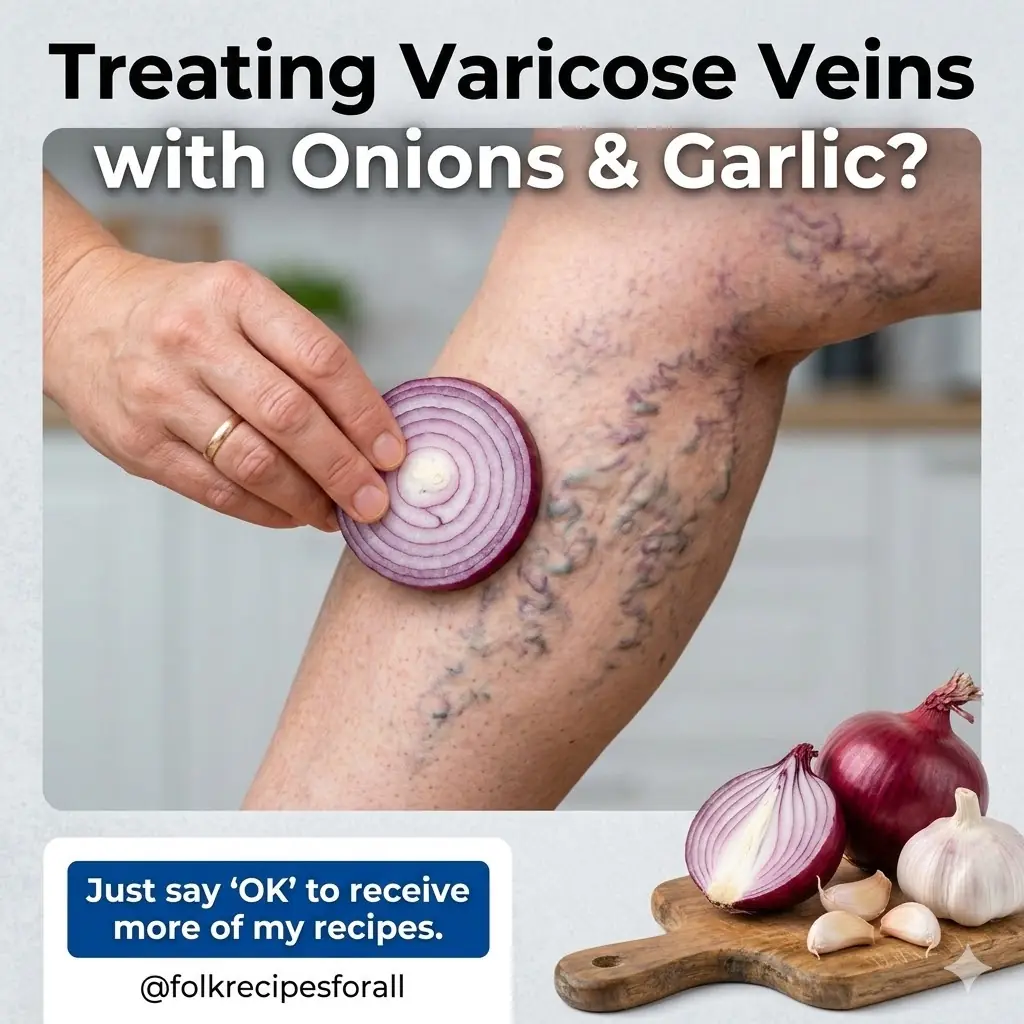
Unlike clogged arteries, varicose veins are not caused by blockages. They occur when valves inside your veins become weak or damaged, allowing blood to pool and the veins to bulge. They may look unsightly, but they’re not usually dangerous—though they can cause discomfort or swelling.
Prevention is always better than treatment. Protecting your circulation now can prevent serious problems down the road.
🏃♂️ Exercise Regularly: Even 30 minutes of walking a day helps improve circulation.
🦵 Elevate Your Legs: Reduces swelling and improves venous return.
🚭 Quit Smoking: Smoking damages arteries and is a major risk factor for heart attacks, strokes, and blood clots.
⚖️ Maintain a Healthy Weight: Obesity puts stress on the heart and circulatory system.
🥗 Eat a Balanced Diet: Prioritize fruits, veggies, fiber, and healthy fats. Cut back on red meat, salt, and processed foods.
💧 Stay Hydrated: Blood thickens when you’re dehydrated, making clots more likely.
If you’re experiencing signs of poor circulation—whether it’s cold feet, unexplained pain, or memory lapses—it’s not something to ignore. See your doctor for a proper diagnosis and treatment plan. Early intervention can make all the difference, and sharing this knowledge could help someone else recognize the signs before it’s too late.