Blood circulation is an important part of our health. It helps our bodies to function properly and keeps us feeling good. Without proper circulation, we would not be able to live for very long because our organs would not receive the nutrients they need in order to work properly. Unfortunately, not all of us have top-tier circulation. Thankfully, our bodies do a pretty good job of warning us that this is happening, so long as we know what to watch and listen for. From there, there are plenty of steps one can take to improve their circulation.
Signs of Poor Circulation
Poor circulation occurs when there is a decreased flow of blood to certain areas of the body. This can result in various symptoms that indicate a compromised circulatory system. Here are some common signs of poor circulation (1, 2):
1. Cold hands and feet
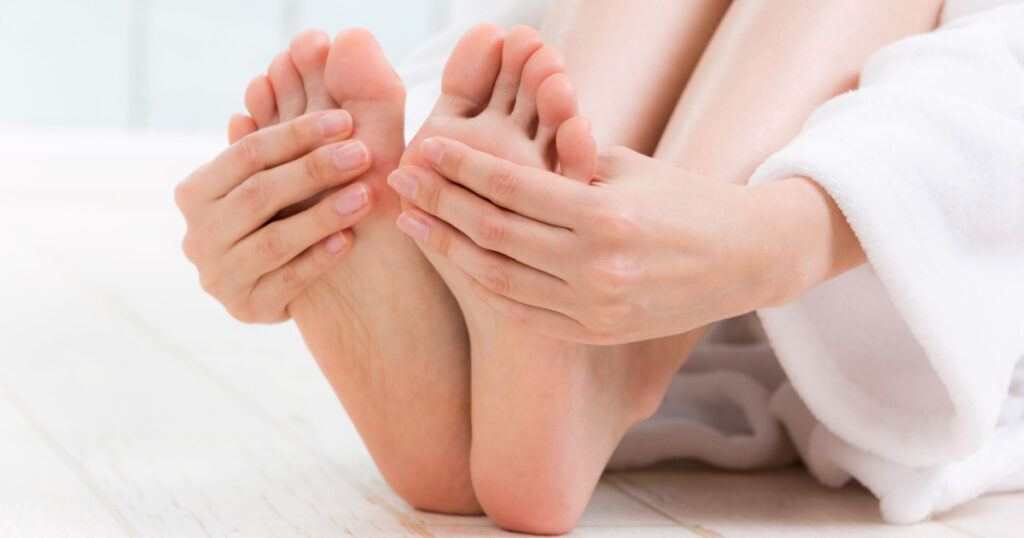
If you frequently have cold extremities, it could be a sign of poor circulation. Insufficient blood flow can make your hands and feet feel colder than the rest of your body. When you have poor circulation to your fingers and toes, they can often appear a blue-tinged color. This is because the lack of blood flow causes them to lose oxygen, which results in their turning a bluish hue. It’s also common for people with poor circulation to have cold hands and feet throughout the year—not just during winter months.
Read: The 10 Best Natural Hangover Cures
2. Numbness or tingling

Numbness and tingling sensations may indicate poor circulation, especially in the hands, feet, or limbs. It occurs when the nerves do not receive an adequate blood supply. This can lead to a lack of sensation, which can cause you to injure yourself without realizing it. For example, if the blood flow to your hands is poor and you touch something hot, it may feel cool—even though it’s actually extremely hot.
3. Swelling in the lower extremities
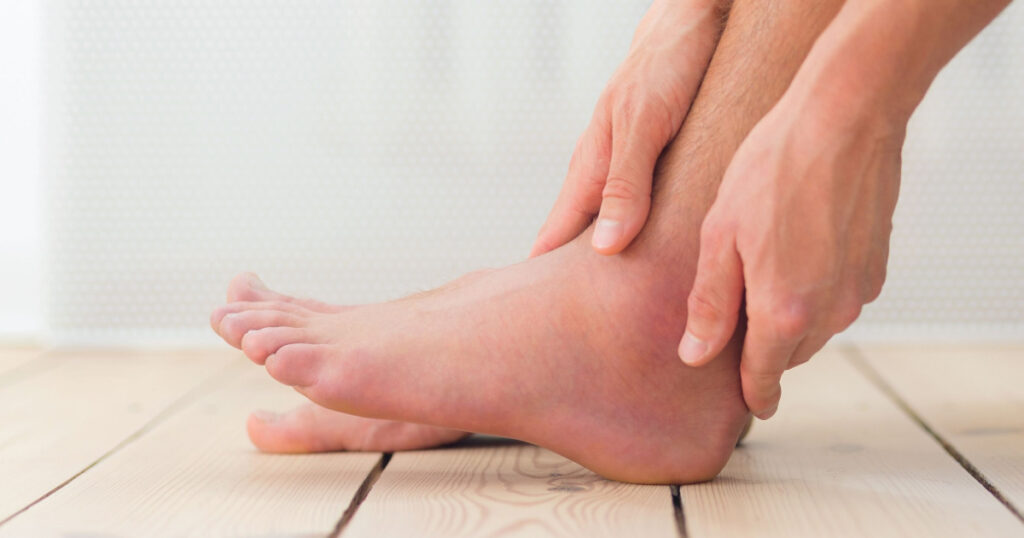
Fluid accumulation and swelling in the legs, ankles, and feet may indicate poor circulation. Inadequate blood flow causes fluid retention and can lead to edema. If you have a history of heart disease, diabetes, or kidney disease, it’s important to monitor your leg swelling closely. Many factors can cause fluid retention, such as standing too long in one place or sitting down for long periods at work.
Read: 7 Things That Contribute to Fluid Retention And How To Manage Symptoms
4. Muscle cramps and pain

Poor circulation can result in muscle cramps and pain, especially during physical activity. Insufficient blood supply deprives the muscles of oxygen, causing discomfort and cramping sensations. Muscle cramps and pain can also be a sign of dehydration and low salt levels in the body. If you’re experiencing these symptoms, drink plenty of water and eat salty foods to replace lost electrolytes.
5. Slow-healing wounds
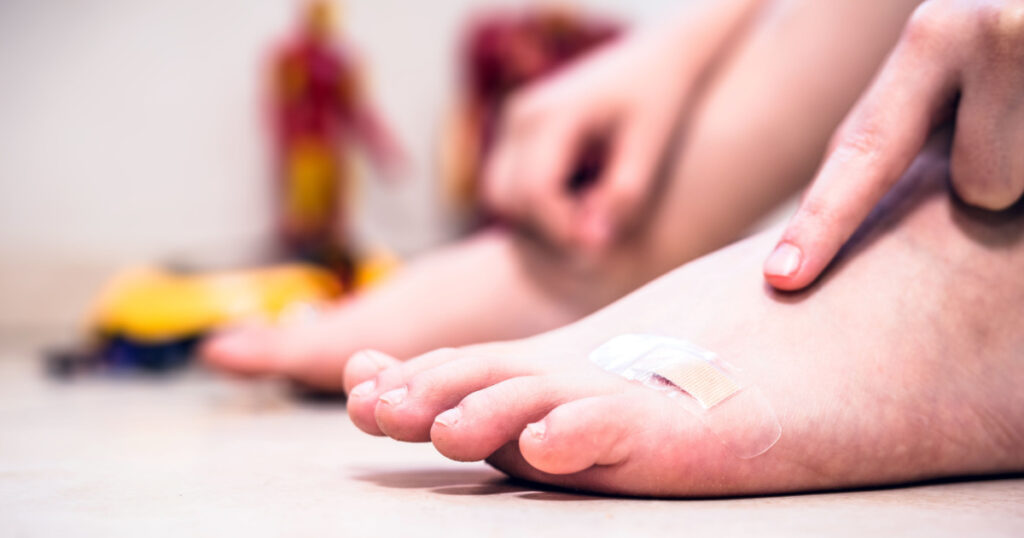
If wounds or sores take longer to heal than usual, it may be due to poor circulation. Healthy blood flow is essential for delivering nutrients and oxygen to the healing site, promoting faster recovery.
Read: 9 Reasons Your Toes Cramp and How to Deal With Them
6. Hair loss and brittle nails

Reduced blood flow to the scalp and nail beds can lead to hair loss and brittle nails. These conditions may indicate poor circulation in the small blood vessels responsible for nourishing the hair and nails.
7. Fatigue and dizziness

A lack of proper blood flow can result in fatigue and dizziness. When organs and tissues don’t receive enough oxygen and nutrients, it can lead to feelings of exhaustion and lightheadedness.