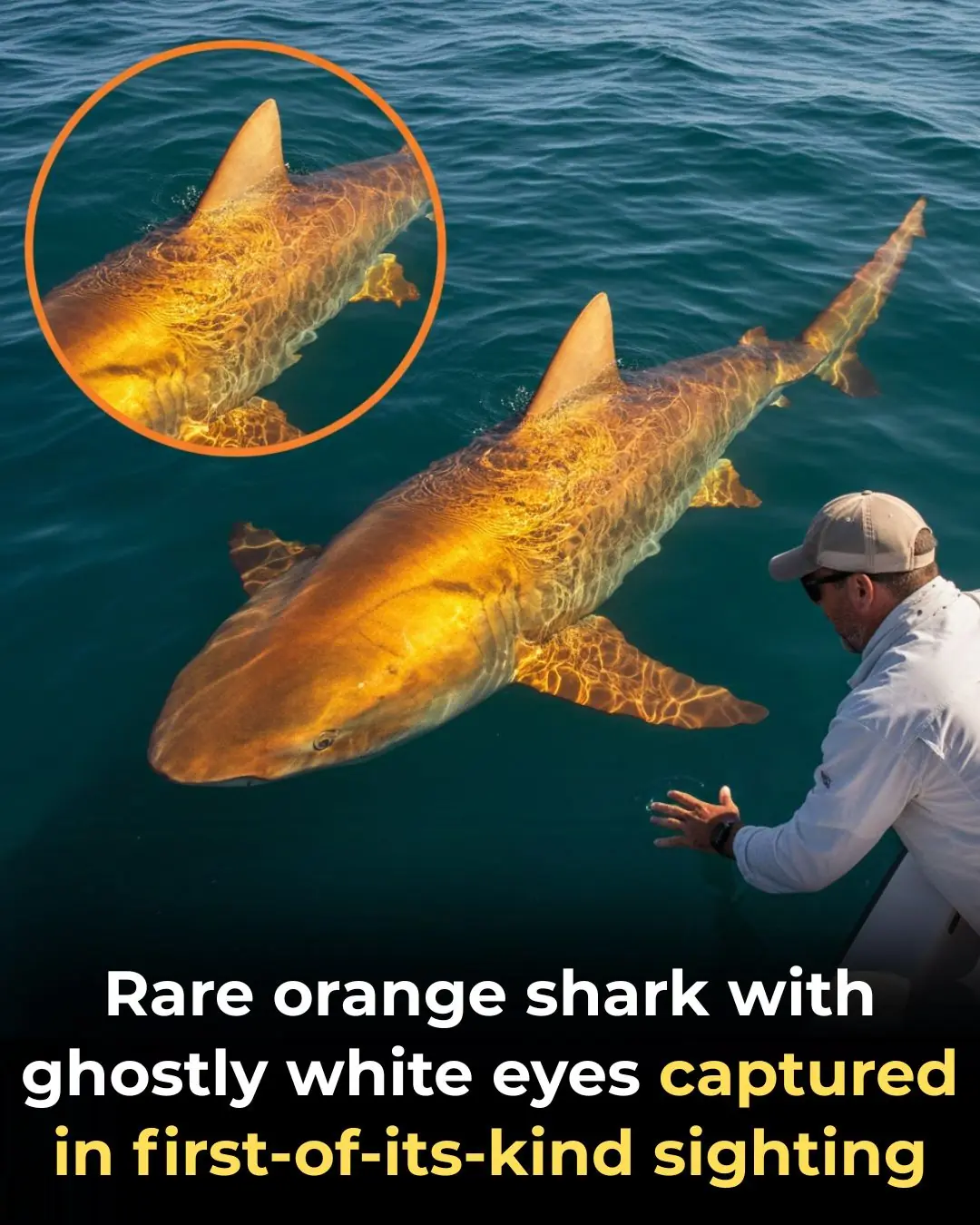
Rare Orange Shark With Ghostly White Eyes Captured in First-of-Its-Kind Sighting
Health 03/12/2025 21:23
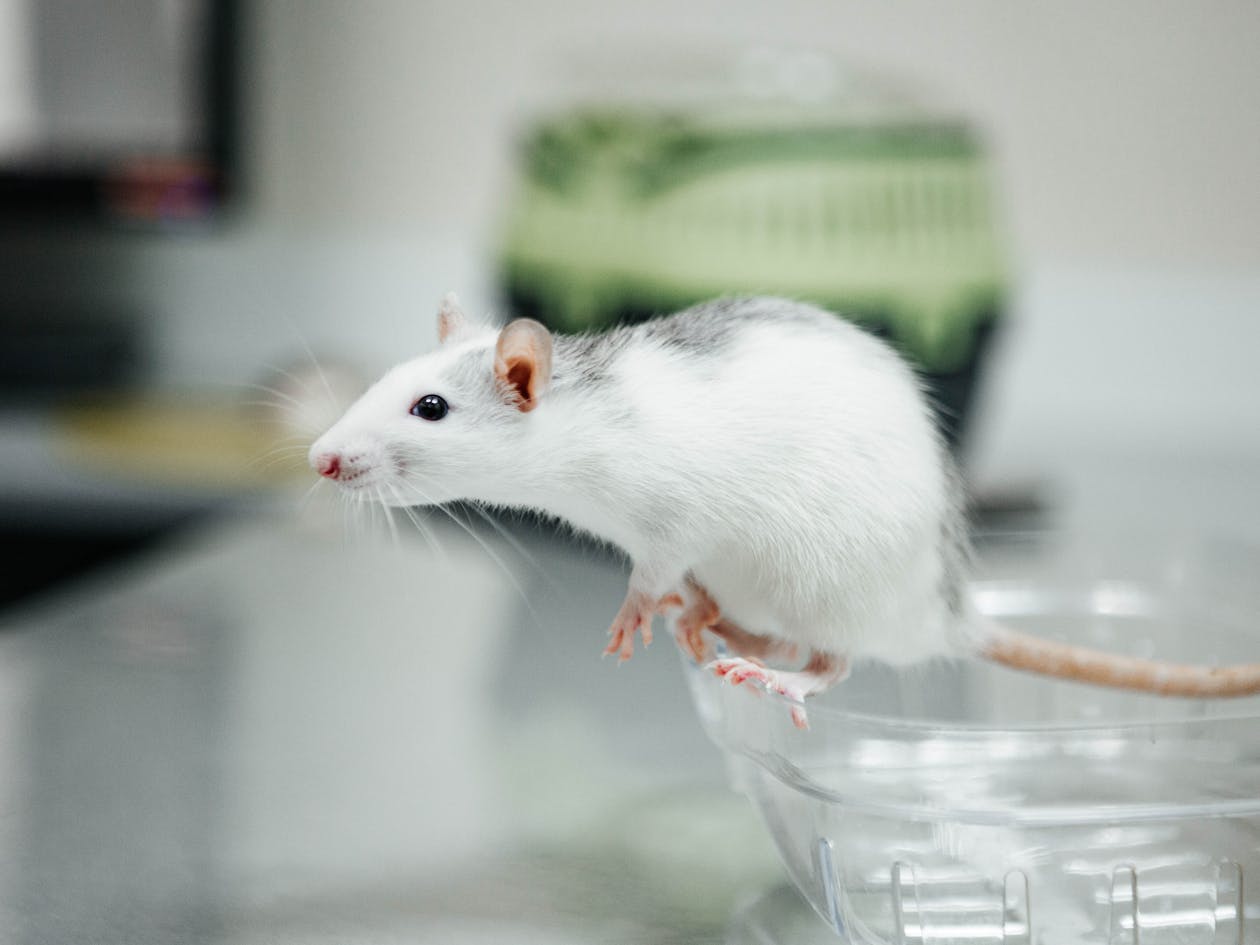
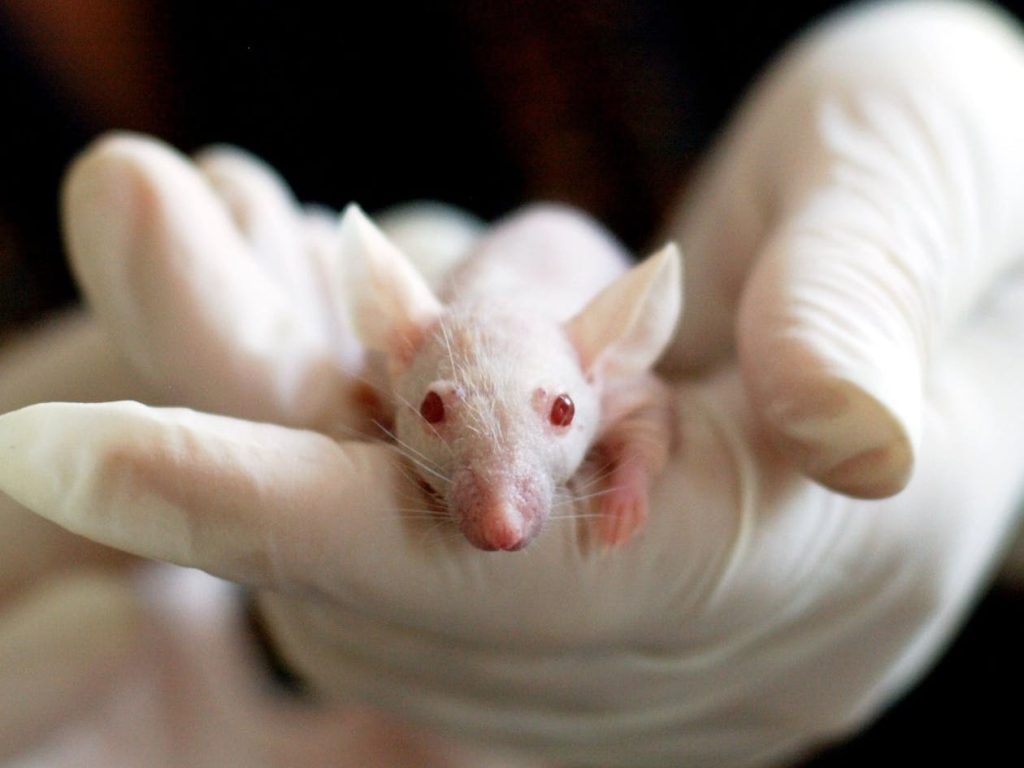
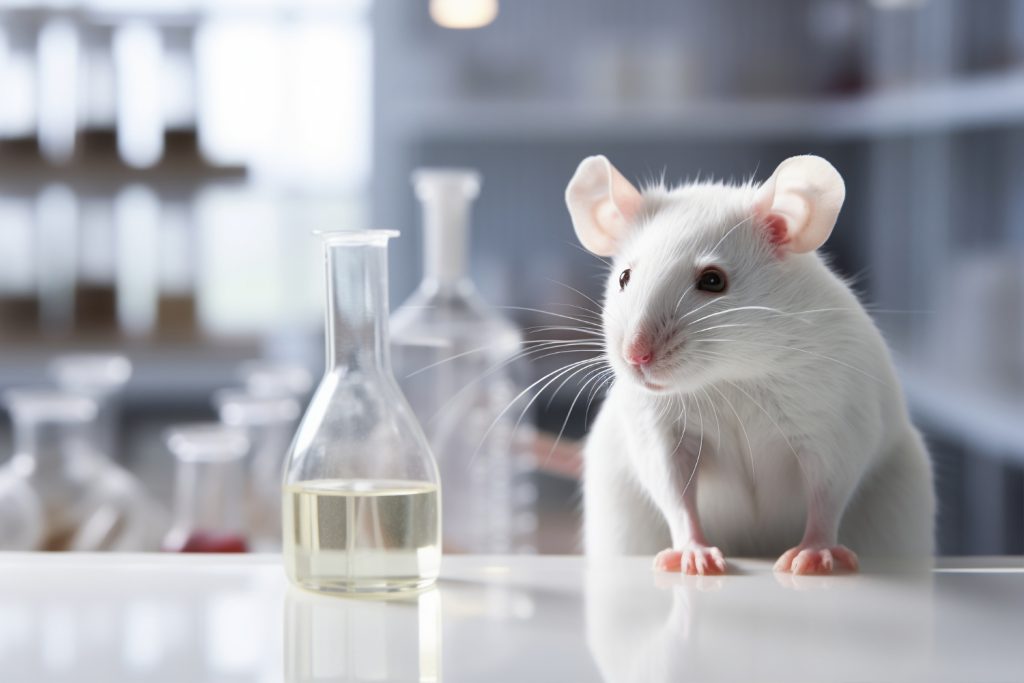
Science Minister Lord Vallance stood before cameras with a pledge he claimed would transform British research laboratories forever. Animals long used to test everything from life-saving vaccines to everyday household chemicals would soon give way to something radically different. Yet as the details of his sweeping plan emerged, one question reverberated across the scientific community: can microscopic chips, bioprinted tissues, and artificial intelligence truly safeguard human health as reliably as living organisms have for decades?
On Tuesday, November 11, Britain unveiled an ambitious roadmap to phase out animal testing, supported by £75 million in new investment. Officials describe the strategy as one of the most comprehensive transition plans ever introduced by any nation. Led by Science Minister Lord Vallance, the initiative fulfills a Labour manifesto promise to collaborate with scientists, industry, and civil society to reduce and ultimately eliminate animal experiments.
Animal welfare groups responded with cautious optimism. Researchers, meanwhile, scrambled to understand what the new deadlines would mean for their current work. Online communities buzzed with arguments about whether the plan represents a scientific breakthrough or a potential public-health gamble.
Even with existing laws already requiring scientists to use alternatives wherever possible, millions of procedures still occur each year. Many researchers argue that certain biological questions cannot yet be answered with non-animal methods, especially when it comes to how drugs behave inside complex living systems.
Vallance’s roadmap centers around three rapidly advancing technologies—each once considered science fiction but now very real.
Organ-on-a-chip systems are the flagship technology. These devices, sometimes no bigger than a USB stick, contain human cells arranged to mimic organ-level functions. At Queen Mary University of London’s Centre for Predictive in vitro Models, scientists have linked miniature liver and brain tissues to create tiny biological networks. Co-director Prof Hazel Screen argues that using human cells should ultimately generate more accurate, human-relevant data than traditional animal tests.
Artificial intelligence forms the second pillar. Machine-learning models will sift through vast datasets on molecular structures, predicting toxicity and biological interactions long before any substance reaches a living creature.
3D bioprinted tissues complete the trio. Advances in bioprinting now allow researchers to produce realistic human skin, liver tissue, and even small organ fragments for testing. Officials believe these models could dramatically reduce the need for live animals in preliminary research.
But scientists remain divided. Can a chip containing a cluster of cells truly reproduce a whole organism, with its intricate interactions across hormones, neural pathways, and immune responses? Even the most optimistic technologists concede that full biological complexity is a long way from being replicated on a micro-scale.
The plan outlines specific, binding deadlines:
By the end of 2026, animal testing for skin and eye irritation, as well as skin sensitization, must end. Pyrogen tests traditionally done on rabbits will be replaced with assays using human immune cells.
By 2027, Botox potency tests on mice must cease. DNA-based laboratory tests will also replace all adventitious agent testing used to detect microbial contamination.
By 2030, pharmacokinetic studies on dogs and non-human primates must fall by at least 35%. These studies measure how drugs travel through the body, information crucial for ensuring safe dosing.
These deadlines raise a pressing dilemma: what if alternative methods are not scientifically ready in time? Some researchers fear that rushed implementation could compromise drug-safety evaluations.
The public reaction was swift and polarized. Social media platforms—Reddit especially—became battlegrounds for clashing worldviews.
Some users questioned the practicality of the plan:
“How do people expect vaccines to be produced without animal safety data?” one commenter asked.
Others worried Britain might inadvertently push the moral burden elsewhere:
“Won’t we just end up relying on medicines tested on animals overseas?”
Still, proponents argued the shift is overdue, morally necessary, and scientifically promising. Many pointed out that human-based models may ultimately prove far more accurate than relying on animals like rabbits or rodents whose biology often differs markedly from our own.
The government aims to match its ambition with infrastructure:
£60 million will establish a national hub coordinating data, expertise, and advanced technologies.
Another £15.9 million from the Medical Research Council, Innovate UK, and the Wellcome Trust will support research teams using organ-on-a-chip systems to model diseases of the liver, brain, cancer, pain, and vascular systems.
A new Centre for the Validation of Alternative Methods will ensure that new technologies meet strict scientific and regulatory standards.
Beginning next year, early-career scientists will receive foundational training in non-animal techniques, and academic journals will more prominently highlight alternative methods.
These investments signal a government intent on transforming not just science, but the scientific workforce itself.
Despite broad support for alternatives, many senior researchers warn against unrealistic expectations.
Prof Frances Balkwill of Barts Cancer Institute, who studies ovarian cancer, insists that certain biological phenomena—especially how tumors evolve in whole organisms—cannot yet be replicated outside animals.
“These methods will never replace the complexity we see when a tumour grows inside a living system,” she says.
Prof Robin Lovell-Badge echoes this concern, noting that behavior and neurological research simply cannot be modeled in a petri dish.
Even Vallance himself admits total elimination of animal use is far off:
“The idea that we can eliminate animal use in the foreseeable future—I don’t think is there.”
Animal experiments in Britain peaked at 4.14 million in 2015, driven by genetic modification research. By 2020, they had dropped to 2.88 million, but progress has since slowed. Vallance hopes his plan will reignite this downward trend, though some believe the “easy” replacements have already been made and future reductions will be far more challenging.
Organizations such as the RSPCA welcomed the roadmap, calling it a meaningful step toward more humane, human-relevant science. They argue that newer technologies often produce more predictive results than animal tests, which sometimes fail to forecast human responses.
Dr Vicky Robinson of the National Centre for the Replacement, Refinement and Reduction of Animals in Research praised the strategy as “ambitious” and essential for keeping Britain at the forefront of ethical scientific innovation.
Pharmaceutical companies and research charities offered measured support. They agree with the ethical goals but emphasize that patient safety must remain paramount.
Industry leaders such as Richard Torbett of the Association of the British Pharmaceutical Industry noted that while alternatives are improving rapidly, some forms of animal research remain indispensable for the time being.
Nicola Perrin of the Association of Medical Research Charities highlighted that many breakthroughs—from cancer treatments to chronic disease therapies—still rely on animal models for final safety validation.
Wendy Jarrett, CEO of Understanding Animal Research, summarized the delicate balance: Britain must both accelerate innovation and avoid undermining scientific integrity. While she supports the transition, she cautions that many life-saving discoveries still depend on understanding how medicines behave in whole organisms.
She hopes for a future where animals are no longer required, but acknowledges this milestone is still decades away.
Lord Vallance’s committee will publish performance indicators next year to track progress. Whether these metrics reveal a scientific revolution or a messy transition will depend on how quickly emerging technologies can match the complexity of the living organisms they aspire to replace.
For now, millions of laboratory animals live in a moment of uncertainty—caught between scientific tradition, evolving ethics, and a future where humanity hopes to answer medicine’s toughest questions without demanding living sacrifices.