BE CAREFUL, if you get these bruises on your body, it means you have Ca…see more
Health 26/06/2026 22:25
According to the World Health Organization (WHO), hyperglycemia — commonly referred to as high blood sugar — is defined as a fasting blood glucose level above 7.0 mmol/L (126 mg/dL) or a reading higher than 11.0 mmol/L (200 mg/dL) two hours after a meal. Although it is most frequently associated with diabetes, elevated blood sugar can also appear in people at risk due to factors like unhealthy eating habits, lack of physical activity, or certain medical conditions.
This condition arises when the body does not produce sufficient insulin — the hormone that helps transfer glucose from the bloodstream into cells — or when the body becomes resistant to insulin’s action. If not properly managed, hyperglycemia can slowly damage nerves, blood vessels, and major organs, resulting in serious long-term complications. For this reason, spotting the early warning signs is essential to prevent further health issues and maintain overall well-being.
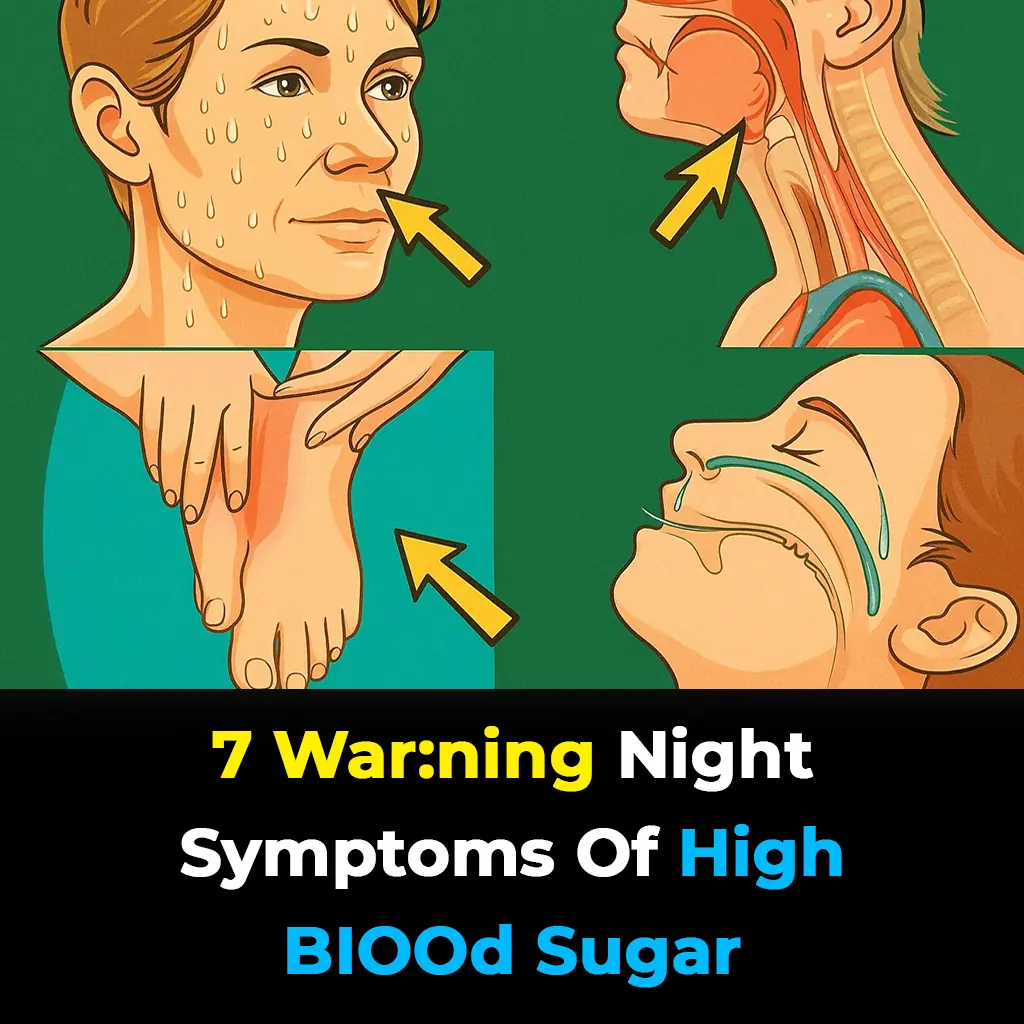
Below are seven key symptoms that may indicate your blood sugar is rising to unhealthy levels:
One of the most common early signs of high blood sugar is an unquenchable thirst. When glucose builds up in the bloodstream, the kidneys work harder to filter and remove the excess through urine. In doing so, they pull extra fluids from the body, leaving you dehydrated and craving more water than usual.
High blood sugar disrupts your body’s ability to turn food into usable energy. Since glucose cannot enter the cells effectively, the brain interprets this as an energy shortage — even if you’ve just eaten. As a result, you may find yourself feeling unusually hungry, craving larger meals or frequent snacks.
Persistently high glucose levels can raise triglyceride levels — a type of fat in the bloodstream. This may lead to the formation of small, yellowish bumps on the skin, often on the arms, legs, buttocks, or hands. While not painful, these bumps signal that your blood sugar and lipid levels may be too high.
Without enough insulin, cells are deprived of the glucose they need to produce energy. Instead, sugar remains in the blood, causing you to feel drained, weak, or unable to concentrate. Chronic fatigue linked to high blood sugar often doesn’t improve with rest and may persist for weeks or months if untreated.
High blood sugar can cause fluid shifts that affect the lens of the eye, leading to swelling, distorted vision, and trouble focusing. In some cases, the strain may trigger headaches, further impacting daily productivity and comfort.
Over time, elevated glucose levels can damage the body’s peripheral nerves — a condition known as diabetic neuropathy. Early signs include tingling, burning sensations, or numbness in the extremities, especially the hands and feet. Prompt blood sugar management can help prevent further nerve damage.
Skin tags — small, harmless growths — often appear in body folds such as the neck, armpits, groin, or eyelids. While common, frequent or sudden skin tag development can sometimes be linked to insulin resistance and high blood sugar.
Bottom Line
Recognizing these symptoms early and seeking medical advice can make a significant difference in managing blood sugar effectively. A healthy diet, regular exercise, and routine blood glucose monitoring are key to keeping your levels in check and avoiding serious complications.