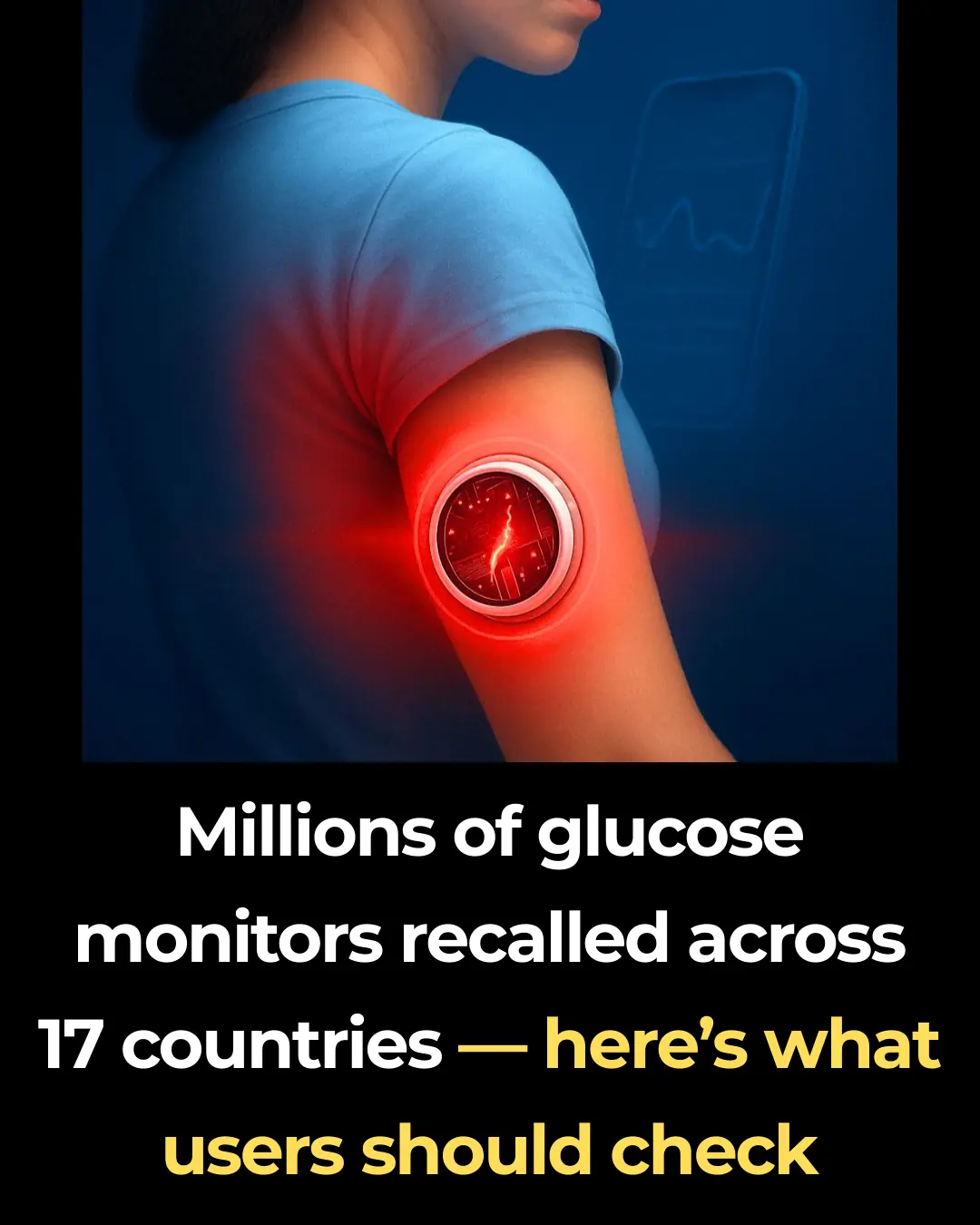
Millions of glucose monitors recalled across 17 countries — here’s what users should check
Health 06/12/2025 19:08
A Fatal Post-COVID Syndrome Doctors Never Expected

In the quiet office of Professor Dennis McGonagle at the University of Leeds, a perplexing medical mystery unfolded. He sat, staring at medical charts that made little sense, as patients with an autoimmune disease he had studied for years flooded his clinic. However, something was terribly different. It was alarming, puzzling, and urgent.
A New Syndrome Emerges
MDA5-positive dermatomyositis, a rare condition, has historically been found predominantly in Asian populations—especially Japanese and Chinese individuals. Yet in Yorkshire, England, McGonagle began seeing a strange influx of white British patients with the same telltale antibodies. What was most troubling, however, was that many of these patients had no clear memory of being sick with COVID-19. Some recalled only mild symptoms or nothing at all, even though the disease seemed to manifest with severe consequences.
From 2020 to 2022, McGonagle and his team documented 60 new cases of this disease in a region where it had been virtually unknown. The situation was both extraordinary and dire—eight patients died from complications related to the syndrome.
The Alarmingly Rapid Rise
Before 2019, MDA5 autoimmunity accounted for just 0.4% of muscle-specific autoantibody tests in Yorkshire. By 2021, that number had soared to 4.8%, marking a twelvefold increase in a matter of months, which coincided with major COVID-19 waves sweeping through the area. This anomaly was striking because no other autoantibodies showed similar patterns of increase. Only MDA5 exhibited such a sharp spike. This led McGonagle to look for answers beyond traditional diagnostics.
Reaching Across the Globe for Help
McGonagle reached out to Professor Pradipta Ghosh at the University of California, San Diego, a leader in computational medicine. Ghosh’s team had already uncovered a range of COVID-related syndromes affecting the heart and lungs, and their expertise in analyzing vast medical datasets was invaluable. Using powerful computational tools, Ghosh's team began investigating the surge in MDA5 autoimmunity.
MDA5, or melanoma differentiation-associated protein 5, serves as a crucial front-line defender against viral infections in the human body. When the SARS-CoV-2 virus enters, MDA5 acts as an RNA sensor, alerting the immune system to fight the virus. However, something was going wrong in these Yorkshire patients. Instead of defending against the virus, their immune systems were attacking MDA5 itself, triggering a cascade of destruction.
The Development of Interstitial Lung Disease
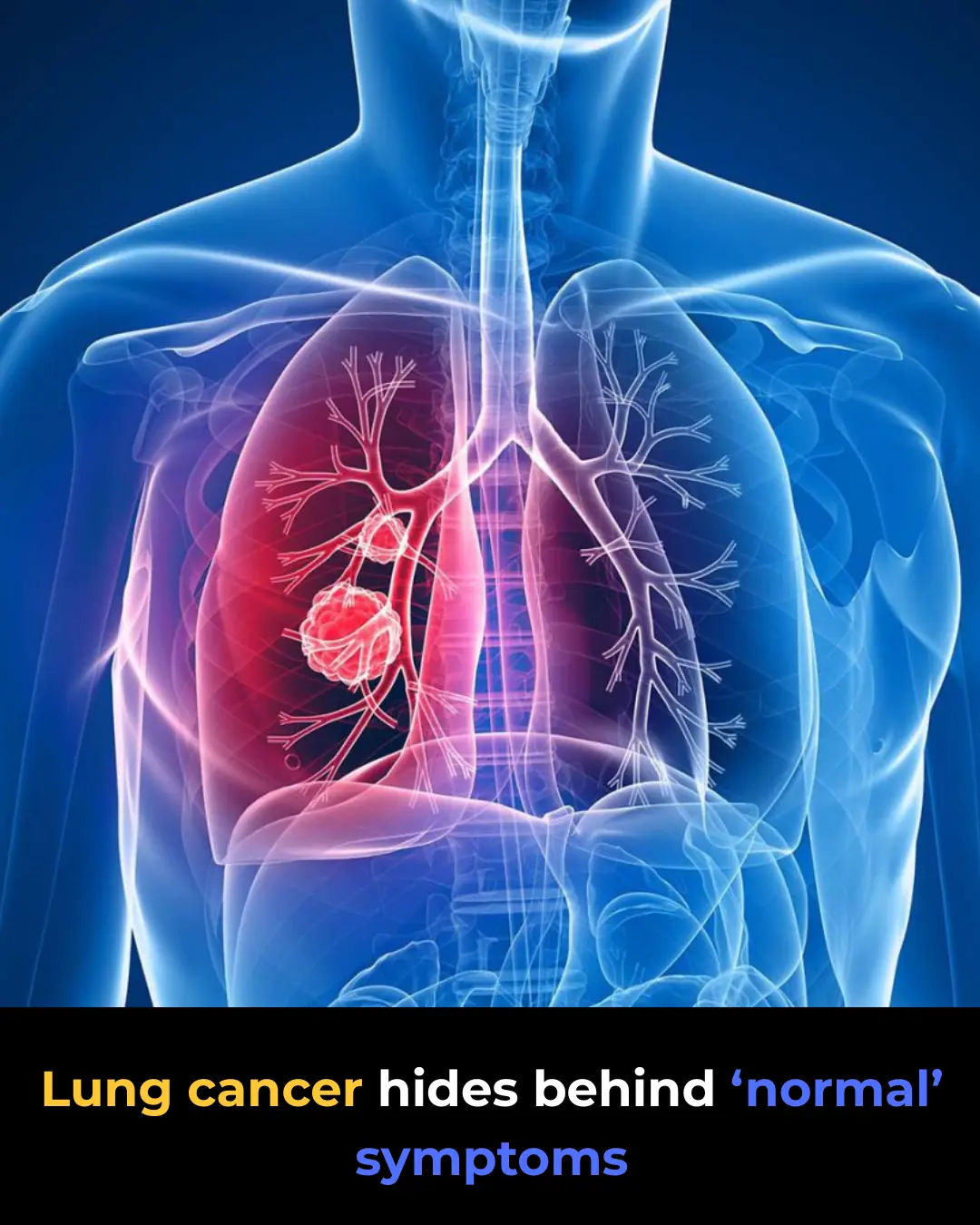
As a result of this autoimmune response, many patients developed progressive interstitial lung disease. The lung tissue became scarred and thickened, progressively impairing its ability to transfer oxygen to the bloodstream. Breathing, once a simple task, became labored and ultimately impossible for some patients.
Among the 60 cases McGonagle documented, 25 patients developed interstitial lung disease. Half of these cases progressed quickly and severely. Despite aggressive medical intervention, eight patients tragically died due to complications from the disease. This presented a sobering new challenge for doctors.
Uncovering the Mystery with Computational Power
Ghosh’s team, including computational scientist Saptarshi Sinha and undergraduate researcher Ella McLaren, sought to uncover the underlying patterns in the data. Using their advanced tool, BoNE (Boolean Network Explorer), they analyzed McGonagle’s patient data. Unlike traditional statistical methods that focus on differences between patients, BoNE identifies commonalities across a dataset, allowing the team to pinpoint shared features of the disease.
Their analysis revealed a striking pattern. The patients with the highest MDA5 response also had elevated levels of interleukin-15 (IL-15), an inflammatory cytokine associated with progressive interstitial lung disease and fibrosis. This cytokine is known to push cells to the brink of exhaustion, further exacerbating the autoimmune response.
Introducing MIP-C: A New Syndrome
The team concluded that they were witnessing a new syndrome, which they named MDA5-autoimmunity and Interstitial Pneumonitis Contemporaneous with COVID-19, or MIP-C (pronounced "mipsy"), in reference to a similar COVID-related syndrome called MIS-C that affects children. The discovery was groundbreaking, shedding light on an unexplained post-COVID complication that doctors had never anticipated.
Patients Without Known Infections
What was especially perplexing about MIP-C was its association with patients who did not have a clear history of COVID-19 infection. Only eight out of the 60 patients had tested positive for the virus, yet the surge in cases perfectly aligned with the regional spread of COVID-19 during 2021. This suggested that many of these patients might have had asymptomatic or mild infections that went unnoticed. Moreover, some patients may have been exposed to the virus without developing full symptoms, further complicating the picture.
An additional layer of complexity was added by vaccination status. Of the 60 patients, 58% had received an anti-SARS-CoV-2 vaccine before developing MDA5 autoimmunity. However, 42% had not been vaccinated, indicating that the syndrome could potentially be triggered by infection alone, independent of vaccination.
The Genetic Puzzle
Genetic analysis revealed a protective factor in some patients. Those carrying a specific variant (rs1990760 TT) in their IFIH1 gene, which encodes MDA5, exhibited reduced susceptibility to severe disease. This genetic variant provided protection against the disease, with younger individuals demonstrating even higher levels of protection. Furthermore, corticosteroid treatment was effective only for patients lacking the protective variant, adding another layer of nuance to treatment options.
How MIP-C Differs from Classic Disease
When compared to classic MDA5-positive dermatomyositis, MIP-C presents several key differences. Classic dermatomyositis is most common in Asian populations, with nearly all cases involving lung complications and high mortality rates due to rapidly progressive fibrosis. In contrast, MIP-C has a wider ethnic distribution, with a higher incidence among Caucasians, and lung involvement in only 42% of cases in the early stages.
What the Medical Community Still Doesn’t Know
Despite the strides made in understanding MIP-C, many questions remain unanswered. Ghosh emphasized that MIP-C is not confined to Yorkshire. Similar cases are emerging globally, yet awareness among healthcare professionals remains limited. Some patients, particularly those with unexplained symptoms following COVID-19 or vaccination, may be going undiagnosed. The medical community must remain vigilant for these elusive post-COVID complications, especially as new variants and vaccines continue to evolve.
Conclusion: The Long Shadow of COVID-19
MIP-C serves as a stark reminder of the long-term effects of the COVID-19 pandemic. Even mild or unnoticed infections can trigger hidden risks that manifest months later. The continuing research into MIP-C could help save lives by identifying those at risk and providing appropriate interventions before the disease progresses too far.
As the world moves beyond the immediate crisis of COVID-19, vigilance for these delayed consequences is paramount. Doctors must stay alert to the possibility that patients may develop symptoms like unexplained breathlessness, mysterious rashes, or lung issues after what seemed like a mild or asymptomatic COVID infection.
In the end, understanding MIP-C may not only be key to saving lives but also a crucial part of the ongoing battle against the many lingering consequences of the COVID-19 pandemic.
McGonagle, D., et al. “Autoimmunity and COVID-19: The Rising Threat of MDA5-Positive Dermatomyositis.” Journal of Immunology, 2022.
Ghosh, P., et al. “The Computational Study of MDA5 Autoimmunity and COVID-19.” Nature Medicine, 2023.
Centers for Disease Control and Prevention (CDC). “COVID-19: New Post-Infection Syndromes and Long-Term Effects.” CDC Website, 2022.