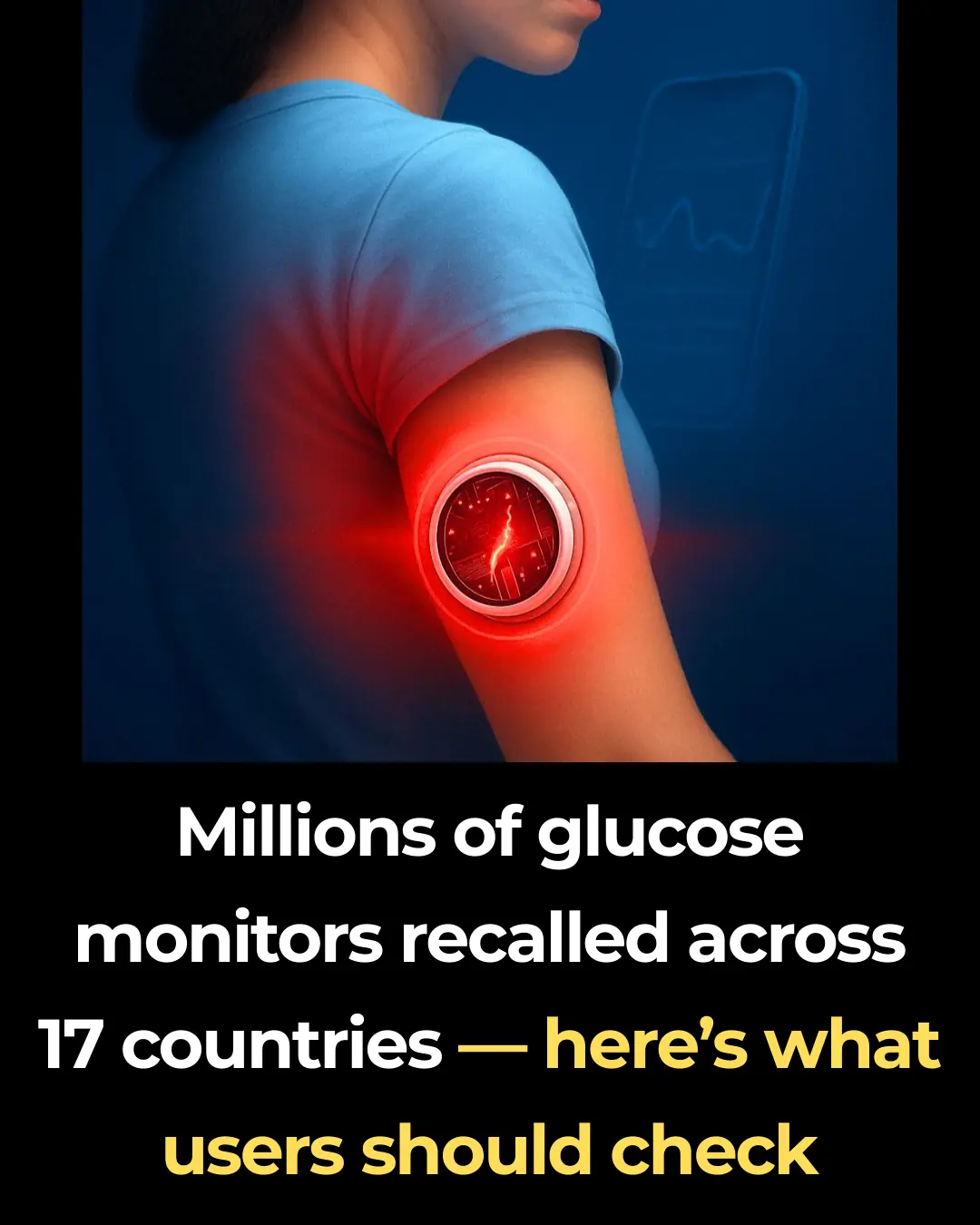
Millions of glucose monitors recalled across 17 countries — here’s what users should check
Health 06/12/2025 19:08
Type 2 diabetes is becoming one of the fastest-growing chronic diseases worldwide — and it’s no longer limited to older adults. Younger individuals, even teenagers, are now developing diabetes due to changes in diet, lifestyle, and stress levels. Detecting symptoms early and knowing how to manage blood sugar can prevent severe complications later in life.
This article covers early warning signs, major causes, and proven ways to control Type 2 diabetes effectively.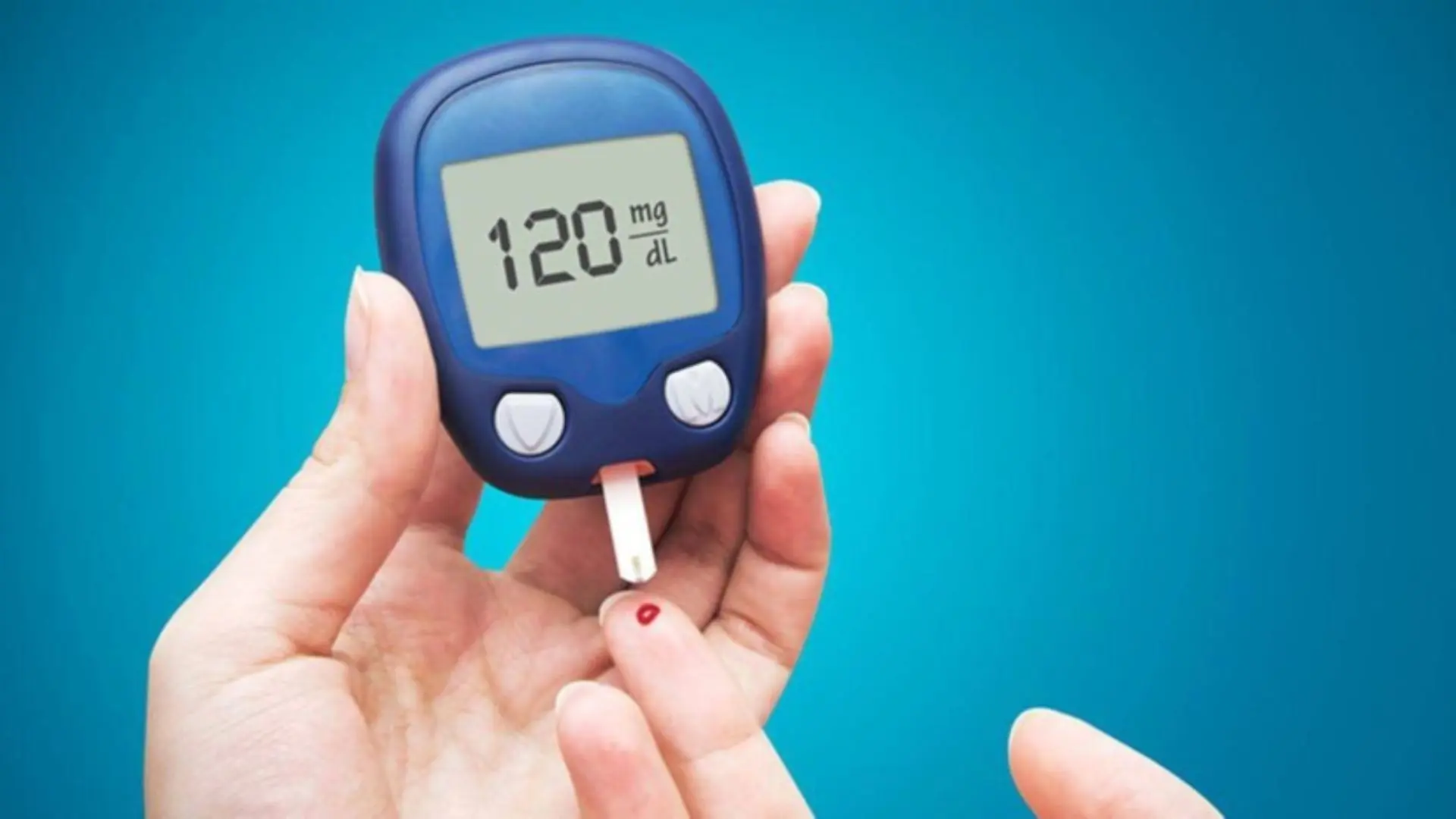
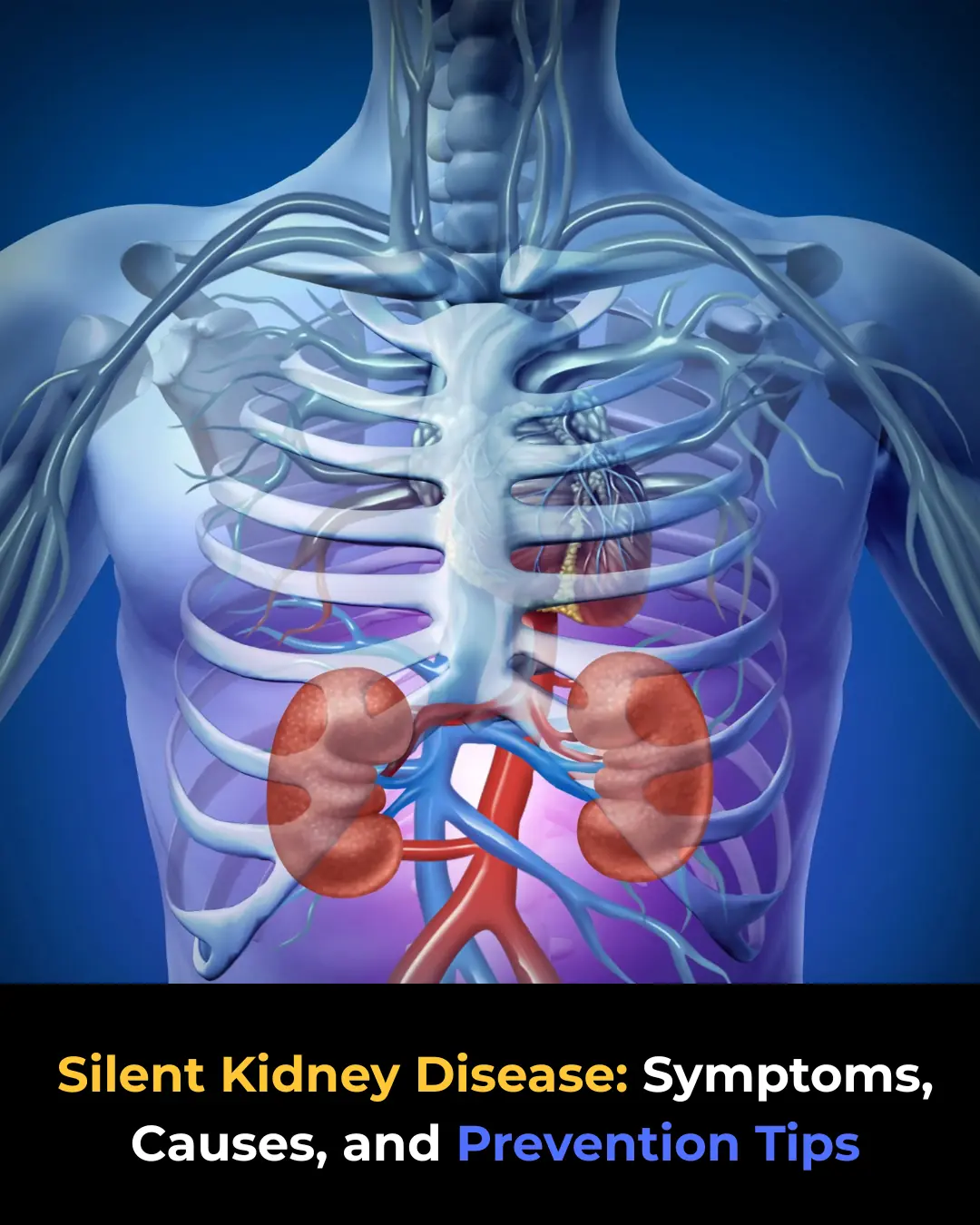
Type 2 diabetes occurs when the body becomes resistant to insulin or does not produce enough of it. Insulin helps move sugar from the bloodstream into cells for energy. When insulin isn’t working properly, sugar builds up in the blood — causing long-term damage to the heart, kidneys, nerves, and eyes.
High blood sugar pulls fluid from tissues, making you feel thirsty constantly.
Your kidneys work harder to remove excess sugar, causing frequent urination — especially at night.
Sugar can't enter cells efficiently, leaving you tired even after resting.
When cells lack energy, your body signals hunger even if you’ve just eaten.
High glucose levels affect the tiny blood vessels in your eyes.
Cuts, bruises, and infections heal more slowly due to impaired circulation and immune function.
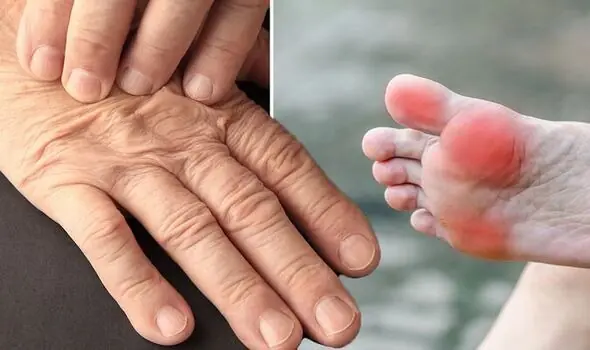
Nerve damage can occur early, causing numbness or tingling sensations.
High consumption of:
Sweetened beverages
White rice, white bread
Fast food
Processed snacks
High-calorie desserts
leads to insulin resistance.
Desk jobs and low physical activity prevent your body from using glucose efficiently.
Excess belly fat increases inflammation and directly affects insulin sensitivity.
A family history of diabetes greatly increases risk — especially in Asian populations.
Stress hormones raise blood sugar levels over time.
Poor sleep disrupts hormones that control appetite and insulin.
Focus on:
Vegetables
Whole grains
Lean proteins
Healthy fats
Low-sugar fruits
Avoid high-glycemic foods that spike blood sugar.
Aim for:
150 minutes of moderate exercise per week
Strength training 2–3 times weekly
Exercise increases insulin sensitivity and helps burn stored glucose.
Losing even 5–10% of body weight can significantly improve blood sugar levels.
Drinking water helps the kidneys flush out excess sugar naturally.
Try:
Meditation
Deep breathing
Yoga
Walking
Digital detox
Reducing stress stabilizes blood sugar swings.
Aim for 7–8 hours per night to support hormonal balance.
Regular monitoring helps you understand patterns and adjust lifestyle habits accordingly.
Doctors may prescribe:
Metformin
Insulin (if required)
GLP-1 agonists
Other sugar-lowering medications
Medication plus lifestyle control works best for long-term health.

Type 2 diabetes develops quietly — sometimes with no obvious symptoms at all. Recognizing early signs and taking control of your lifestyle can prevent complications and even reverse the condition in many cases. Your daily habits are the most powerful tool you have to protect your long-term health.