Why You Keep Waking Up at Night
Health 06/12/2025 20:52
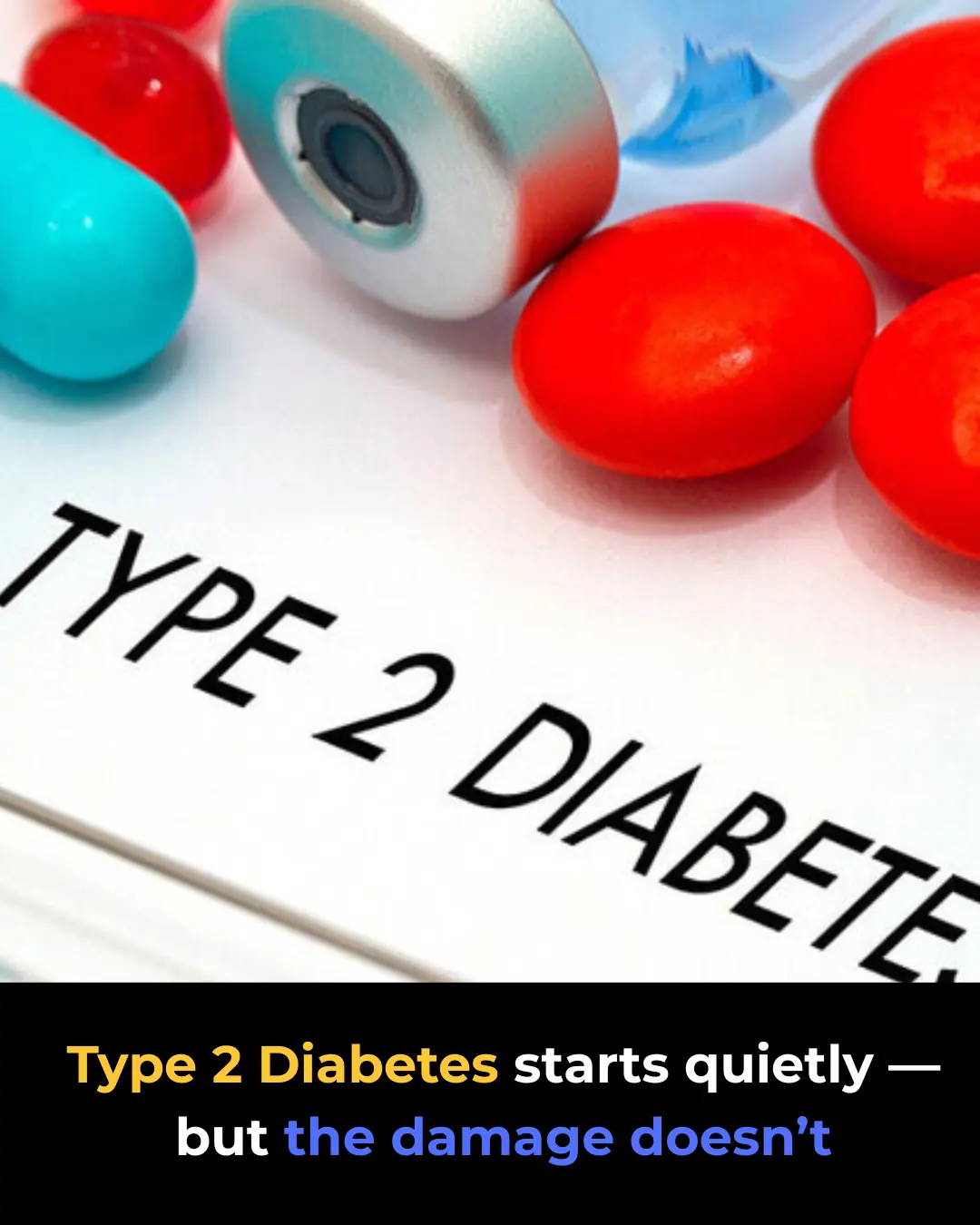
Abbott, one of the world’s leading medical technology companies, has issued a massive global recall of its blood glucose sensors after discovering serious accuracy problems that may put users at risk. These devices, commonly used by people with diabetes to track glucose levels in real time, are considered essential for daily safety and long-term disease management.
But now, millions of users across 17 countries are being urged to double-check their devices after reports linked the faulty sensors to seven deaths and hundreds of major health incidents, including 57 in the United States alone. For many, this recall may still be flying under the radar, even though the consequences of using a defective sensor can be severe.
Abbott has recalled its FreeStyle Libre 3 and Libre 3 Plus glucose sensors due to inaccurate readings.
Faulty sensors have been tied to seven deaths and 736 serious medical incidents worldwide.
Millions of units were distributed in the U.S., Europe, Canada, New Zealand, and several other countries.
Inaccurate readings may lead to dangerous insulin decisions and life-threatening blood sugar swings.
Abbott says the issue has been identified and corrected, and replacement sensors are available.
The recall began when Abbott discovered that certain sensors produced on a specific manufacturing line were prone to giving false high or false low blood glucose readings. These inaccuracies are extremely dangerous for people with diabetes, who depend on precise numbers to guide insulin dosing, food intake, and emergency decisions.
Because blood sugar can spike or drop rapidly, even one faulty reading can trigger a cascade of harmful choices. As Abbott investigated the issue further, it became clear that the problem affected millions of sensors distributed worldwide.
Blood sugar accuracy is not just helpful—it is lifesaving. A false high may cause someone to ignore a dangerously low glucose level, potentially leading to hypoglycemia, which can cause seizures, fainting, or coma.
Meanwhile, a false low could push someone to inject insulin unnecessarily, causing their blood sugar to crash even further. Both situations can escalate in minutes and may become fatal if not corrected.
This is why even a small margin of error in these devices poses a serious risk.
Abbott estimates that around three million defective sensors entered the U.S. market alone. Millions more were distributed throughout:
Austria
Belgium
Canada
Denmark
Finland
France
Germany
Italy
Luxembourg
Netherlands
New Zealand
Norway
Spain
Sweden
Switzerland
United Kingdom
The recall includes specific model numbers of FreeStyle Libre 3 and Libre 3 Plus sensors. Abbott has provided a full searchable list so users can verify whether their device is affected.
FreeStyle Libre sensors use a tiny, flexible filament that sits just under the skin. This filament measures glucose in the interstitial fluid and uses an enzyme reaction to produce an electrical signal. That signal is then translated into a glucose reading displayed on the user’s smartphone or reader.
When functioning properly, the system offers an easy, painless, and reliable alternative to finger-stick tests. But when a sensor becomes unreliable, the entire monitoring system breaks down—making the numbers impossible to trust.
Both Abbott and the FDA are urging users to take this recall seriously. If you think your sensor may be affected:
Stop using the sensor immediately.
Visit Abbott’s recall page to check your device online using the model number and lot number.
Contact Abbott or your health care provider to request a replacement.
Follow all safety guidance provided by your clinician to avoid episodes of high or low blood sugar.
Abbott states that the manufacturing issue has now been corrected and that it does not expect major supply shortages during the replacement process.
While the immediate danger is inaccurate readings, long-term complications are also possible. Repeated unrecognized glucose spikes or crashes can contribute to:
Nerve damage
Kidney problems
Cardiovascular issues
Increased risk of hospitalization
Long-term metabolic instability
This is why the recall must be taken seriously—consistent glucose management is the foundation of diabetes care.
If you or someone you care for uses Abbott’s FreeStyle Libre 3 or Libre 3 Plus sensors, take a moment to verify your device. Millions of units have been recalled, and accuracy is critical for diabetes safety. One quick online check can determine whether your sensor needs replacement—and taking action now may prevent a potentially life-threatening situation.