Millions of glucose monitors recalled across 17 countries — here’s what users should check
Health 06/12/2025 19:08
Fatty liver disease is becoming one of the most common health issues worldwide — and one of the most misunderstood. Many people who develop fatty liver have no symptoms at all, and by the time the condition is detected, the liver may already be inflamed or scarred. Doctors emphasize that early awareness is the key to reversing liver damage before it becomes serious.
In this article, you'll learn what fatty liver disease really is, early warning signs to watch for, its major causes, and the most effective prevention and treatment tips based on current medical recommendations.
Fatty liver disease occurs when too much fat builds up in the liver cells. A healthy liver normally contains some fat, but when fat reaches 5–10% or more of the liver's total weight, it becomes a medical concern.
There are two main types:
Caused by diet, lifestyle, metabolism, and other non-alcohol-related factors.
This is the most common form.
Caused by excessive alcohol consumption.
Both types can progress silently to more dangerous conditions if not treated early.
The liver is very resilient. It can heal and regenerate itself — but only if damage is caught early.
If ignored, fatty liver can progress through 3 stages:
Simple fatty liver (steatosis) – fat buildup
NASH (Non-alcoholic steatohepatitis) – inflammation and liver cell damage
Fibrosis → Cirrhosis → Liver failure – permanent scarring
Most early cases are reversible with lifestyle changes. But once fibrosis or cirrhosis develops, the damage becomes difficult or impossible to reverse.
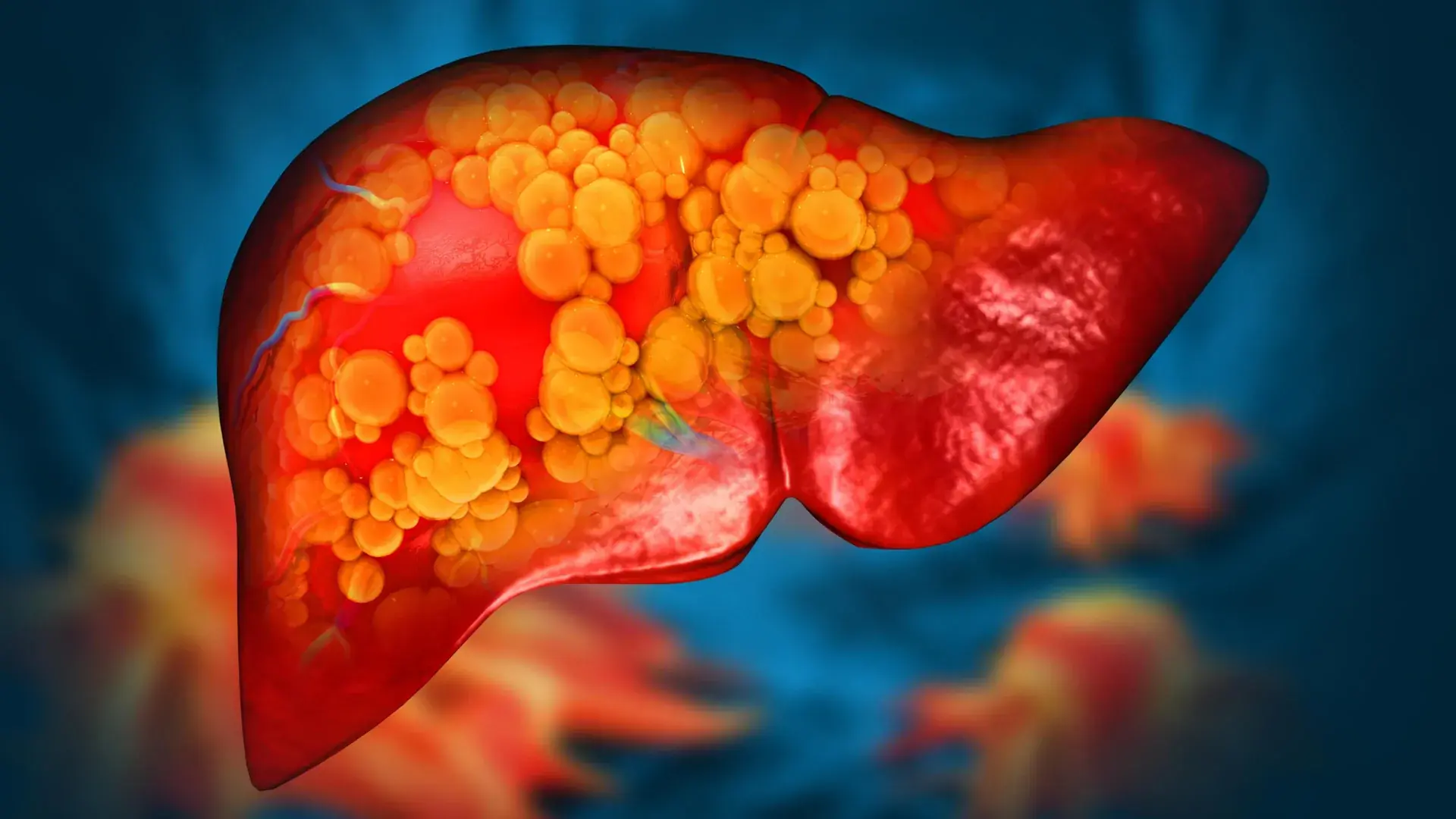
Fatty liver is often called a silent condition because symptoms may not appear until the disease advances.
However, some early clues include:
Feeling tired without explanation is one of the most frequently reported early signs. When the liver is stressed, it struggles to filter toxins, making the body feel sluggish.
Some people notice a dull ache or a feeling of heaviness under the ribs on the right side, where the liver is located.
Fatty liver often comes with insulin resistance and metabolic imbalance, making weight loss more challenging.
Many people discover fatty liver through routine blood tests showing elevated ALT or AST levels.
Digestive issues and reduced appetite may occur when fat buildup affects liver function.
A large waistline is strongly linked to fatty liver and metabolic syndrome.
Fatty liver occurs when your body produces too much fat or cannot process it efficiently. The major causes include:
High intake of:
Fried foods
Processed snacks
Sugary drinks
Fast food
High-carb diets
Excessive fructose (sodas, sweetened juice, pastries)
These foods overload the liver with fat and sugar, leading to fat accumulation.
Excess fat, especially around the abdomen, increases the risk of fat buildup in the liver.
When cells become resistant to insulin, the liver starts storing more fat. This is one of the strongest risk factors.
Excess fats in the bloodstream contribute directly to fat storage in the liver.
Even moderate drinking can contribute to fatty liver, but heavy drinking causes inflammation and accelerates liver damage.
Lack of physical activity slows metabolism and increases fat storage in the liver.
Some medications may contribute to fatty liver, including:
Steroids
Certain cancer drugs
Tamoxifen
Methotrexate
Always consult a doctor if you suspect medication-related liver issues.
Early diagnosis is crucial. Doctors typically use:
Checking ALT, AST, triglycerides, fasting glucose, and insulin levels.
A simple, painless method to detect fat in the liver.
Measures liver stiffness (to detect fibrosis or scarring).
Not common, but used when inflammation or severe disease is suspected.
The good news: fatty liver is often reversible, especially in the early stages. Most people can improve or fully heal their liver by making the right lifestyle changes.
Below are science-backed prevention and treatment strategies.
Cut down on:
Sodas
Candy
White bread
White rice
Pastries
Sweetened drinks
Processed foods
These spike insulin and drive fat directly into the liver.
Include:
Leafy greens
Fish rich in omega-3
Olive oil
Berries
Avocado
Nuts
Whole grains
Beans
The Mediterranean diet is especially effective for reducing liver fat.
Even small weight loss can significantly reduce fat in the liver and improve enzyme levels.
Aim for:
150 minutes/week of moderate activity (walking, cycling, swimming), or
75 minutes/week of vigorous activity
Strength training 2–3 times a week also helps regulate blood sugar and burn visceral fat.
Alcohol multiplies the liver’s workload. Reducing or eliminating it gives your liver the rest it needs to heal.
Water helps the liver flush out toxins and process fat more efficiently.
Poor sleep affects metabolism and increases insulin resistance, contributing to fatty liver.
Doctors may prescribe:
Vitamin E
Pioglitazone
Omega-3 supplements
Medication for diabetes or high cholesterol
These are recommended only after proper diagnosis.
You should consult a healthcare provider if you experience:
Persistent fatigue
Upper right abdominal pain
Unexplained weight gain
High cholesterol or triglycerides
A family history of fatty liver
High blood pressure or diabetes
Routine check-ups are the best way to detect fatty liver early.
Fatty liver disease is far more common than most people realize — but the encouraging news is that early stages are highly reversible. By paying attention to early warning signs, improving your diet, staying active, and managing blood sugar, you can protect your liver before the condition progresses.
Your liver works around the clock to detoxify your body.
Give it the support it deserves — starting today.