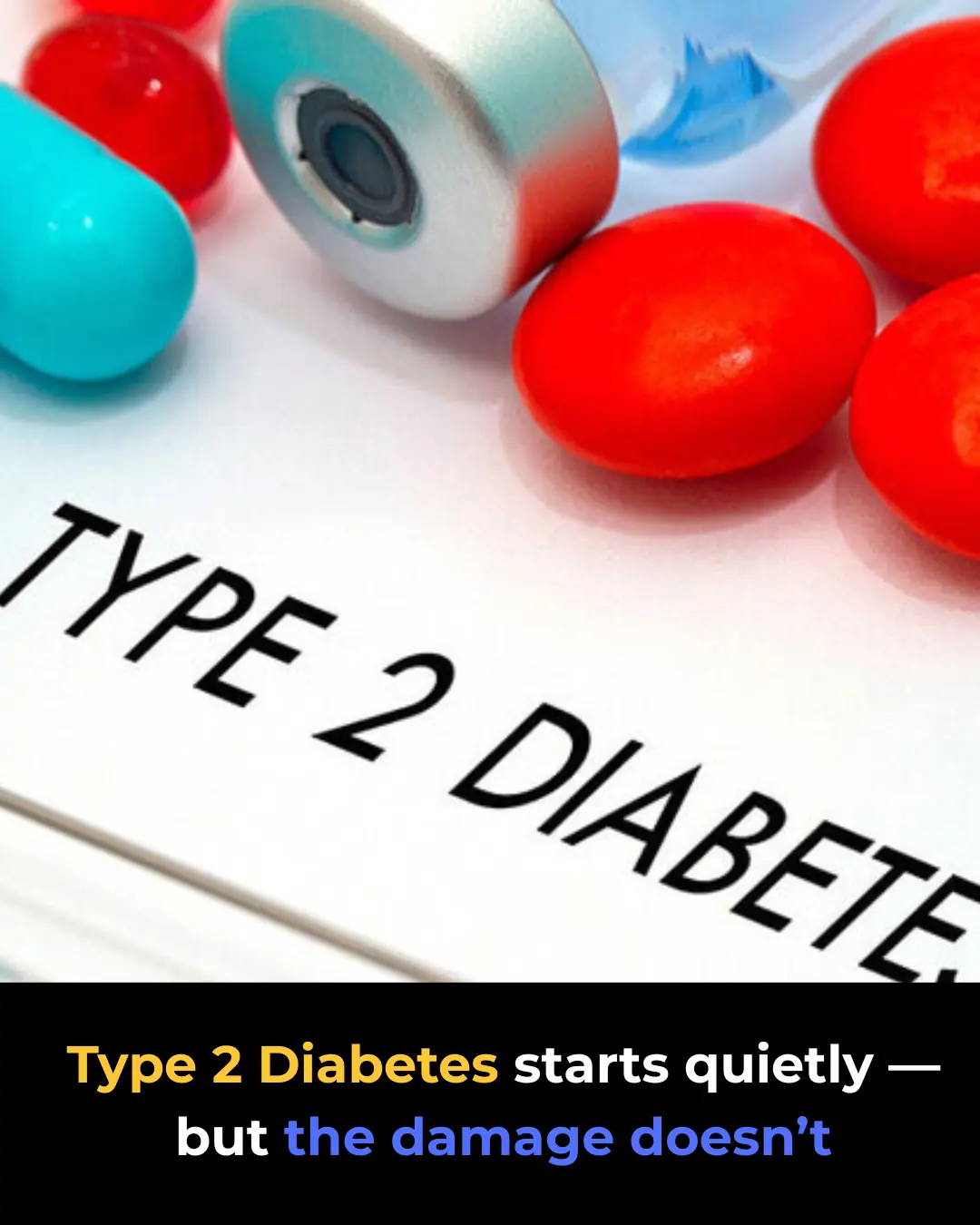
Type 2 Diabetes: Early Symptoms and Effective Ways to Control It
Health 06/12/2025 17:36
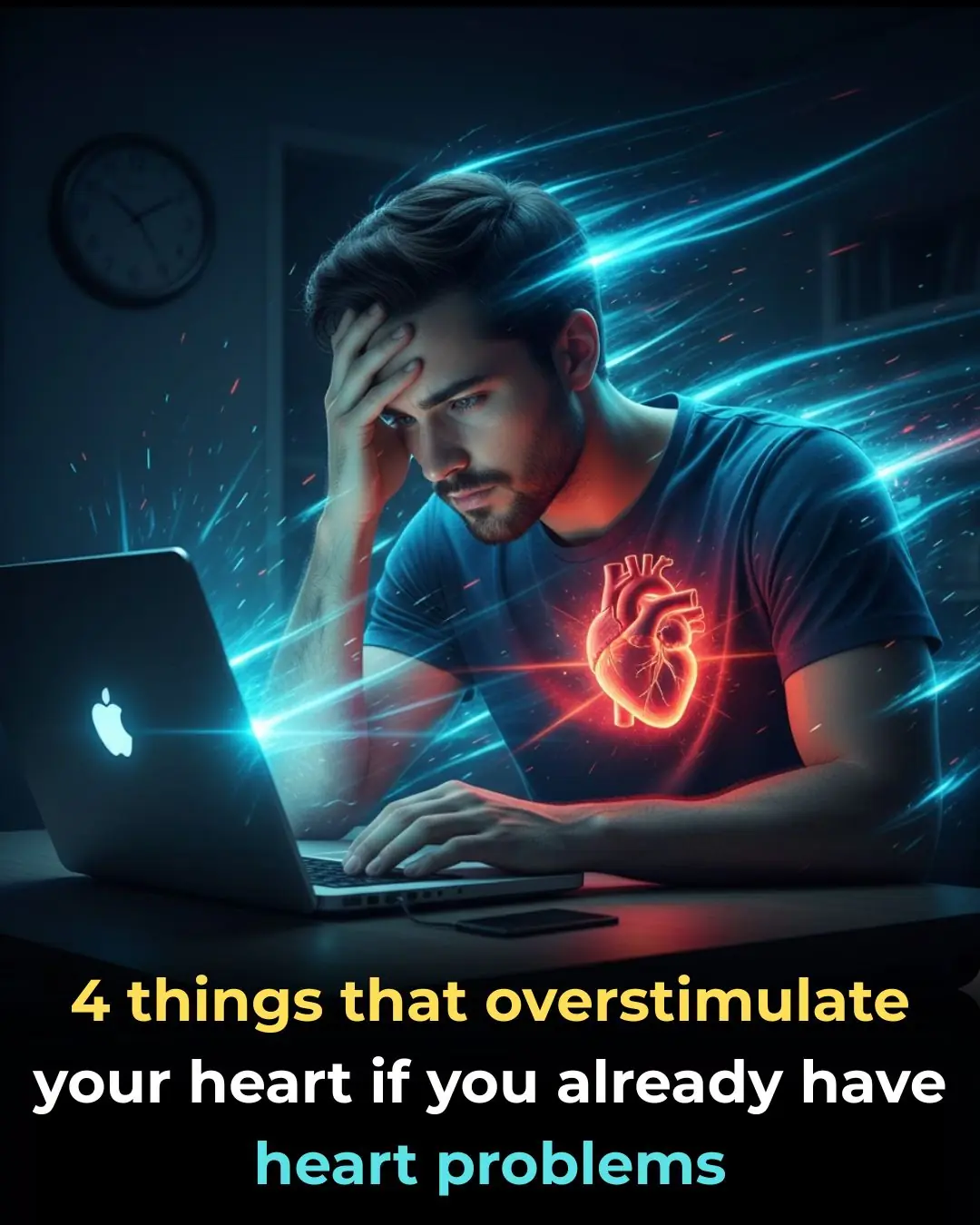
Heart disease remains the leading cause of death worldwide, yet many people don’t realize that the body often sends early warning signs long before a serious event such as a heart attack or stroke occurs. These symptoms can appear mild, vague, or easy to confuse with other health issues, which is why they’re commonly overlooked. However, recognizing them early—and taking action—can dramatically improve long-term heart health and overall well-being.
In this article, we’ll uncover 10 warning signs of heart disease that you should never ignore, why they happen, and what to do if you're experiencing them.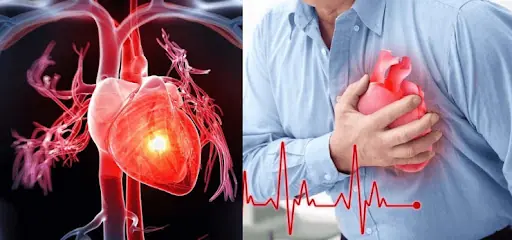
Chest pain doesn’t always show up as a dramatic, crushing sensation like in the movies. Instead, it often appears as:
Pressure
Tightness
Burning
A feeling of heaviness in the chest
This discomfort may come and go, especially after physical activity or emotional stress. Many people dismiss it as heartburn or fatigue. But if chest discomfort reoccurs or lasts for minutes at a time, it may be a sign of restricted blood flow to the heart.
When to worry:
If the pain radiates to the arm, jaw, back, or neck, seek medical attention immediately.
Feeling breathless when you haven’t exerted yourself is one of the earliest signs of heart disease. The heart may be struggling to pump enough oxygen-rich blood to the body, leaving you feeling winded.
Shortness of breath may occur:
When lying flat
During light physical activity
After waking up
Even at rest in severe cases
Many people mistake this symptom for aging, lack of fitness, or respiratory issues, but it’s often an early sign of heart failure.
Unusual, persistent fatigue—especially in women—can signal heart disease. If you feel exhausted even after sleeping well, or you’re tired from simple tasks like climbing stairs or carrying groceries, your heart may not be pumping efficiently.
This type of fatigue feels different from normal tiredness; it lingers and is often described as a “deep, heavy exhaustion.”
Heart-related pain doesn’t always stay in the chest. It can spread to surrounding areas due to shared nerve pathways.
Common patterns include:
Pain in the left arm
Pain in the shoulders
A choking or tight sensation in the jaw
Upper back discomfort that feels like muscle strain
People often misinterpret these as dental problems, pulled muscles, or nerve issues. But radiating pain should be taken seriously—especially if it appears suddenly.
Feeling like your heart is skipping beats, fluttering, or beating too fast can be harmless—or a sign of arrhythmia, which increases the risk of stroke and heart failure.
You may notice:
Sudden strong heartbeats
A racing pulse
A “flip-flop” feeling in the chest
Fainting or dizziness accompanying the palpitations
Persistent or unexplained irregular heartbeats should always be checked by a doctor.
When the heart becomes weak and can’t pump blood effectively, fluid can accumulate in the lower extremities. This condition, called edema, is an early sign of heart failure.
You may observe:
Puffy ankles
Swollen feet by the end of the day
Indents on the skin when you press the swollen area
While swelling can also be caused by kidney issues or sitting too long, chronic or worsening swelling should not be ignored.
Feeling faint can happen when the heart fails to maintain stable blood pressure or pump enough blood to the brain. This may be due to:
Arrhythmias
Blocked arteries
Low blood pressure caused by weak heart function
If dizziness happens frequently or is accompanied by chest discomfort or shortness of breath, it may signal a serious problem.
A persistent cough—especially one that produces white or pink mucus—may be a sign of congestive heart failure. This occurs when fluid builds up in the lungs due to poor heart function.
Symptoms may include:
Wheezing
Difficulty breathing when lying down
Nighttime coughing
A feeling of fluid “gurgling” in the chest
Many people confuse this with asthma or allergies, delaying proper diagnosis.
Sweating excessively—especially when there's no physical exertion—can indicate the heart is struggling. Cold sweats often accompany heart attacks and severe heart strain.
Nausea, vomiting, and dizziness may also appear, particularly in women. Many assume these symptoms are stomach-related, but they can be early cardiovascular warnings.
When the heart can't pump oxygenated blood efficiently, the extremities may turn bluish (a condition called cyanosis). This signals dangerously low oxygen levels.
This symptom can develop slowly or appear suddenly during serious complications like heart failure or congenital heart disease.

You should seek medical attention if:
Symptoms occur frequently
You experience multiple symptoms at once
Symptoms worsen over time
Your daily activities become difficult due to fatigue or breathlessness
If you ever experience severe chest pain, sudden shortness of breath, or a strong sense that “something is wrong,” treat it as a potential emergency.
Early diagnosis can prevent heart attacks, strokes, and long-term complications.
Even if you experience mild symptoms, adopting heart-healthy habits significantly lowers your risk:
Maintain a balanced diet rich in vegetables, whole grains, nuts, and lean proteins
Exercise at least 150 minutes per week
Maintain a healthy weight
Manage stress through mindfulness, yoga, or meditation
Limit alcohol and quit smoking
Monitor blood pressure, cholesterol, and blood sugar regularly
Get enough sleep
Stay hydrated
Small lifestyle changes can make a huge difference in long-term heart health.
Heart disease doesn’t always announce itself with obvious symptoms. Often, it whispers warnings through subtle signs like fatigue, swelling, cough, and mild chest pressure. Listening to your body—and seeking medical help early—can save your life.
If you’ve noticed any of the warning signs above, don’t ignore them. Early detection is the most powerful tool we have in preventing heart attacks, strokes, and serious complications.