American Beautyberry (Callicarpa americana) is a striking native shrub that grows primarily throughout the southeastern United States. Instantly recognizable by its vivid clusters of bright purple berries wrapped tightly around the stems, this plant offers far more than ornamental beauty. Its berries are edible, and both the leaves and roots have a long history of traditional use for practical and wellness purposes.
For those new to foraging or exploring natural remedies, American Beautyberry is an excellent plant to start with. It is relatively easy to identify, widely distributed in its native range, and versatile in how it can be used. Beyond its usefulness to people, it also plays an important ecological role in supporting birds and beneficial insects.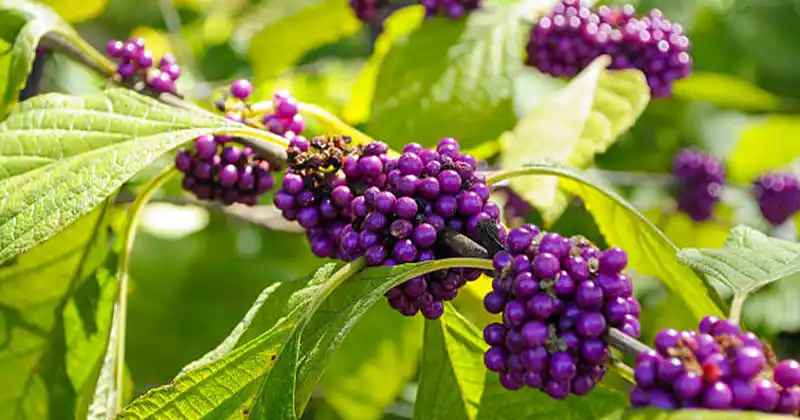
Main Benefits of American Beautyberry
Below are eight commonly discussed benefits associated with this remarkable shrub:
1. Rich in Antioxidants
The vibrant purple berries contain natural antioxidant compounds that help protect the body against oxidative stress. Antioxidants support overall cellular health and may contribute to long-term wellness.
2. Anti-Inflammatory Properties
Extracts derived from the leaves and other parts of the plant have shown potential anti-inflammatory effects in preliminary studies. Traditionally, preparations were used to soothe minor discomfort and swelling.
3. Immune Support
The berries contain plant nutrients and phytonutrients that may help support a healthy immune system when consumed in moderation as part of a balanced diet.
4. Natural Insect Repellent
One of the plant’s most famous traditional uses is as a natural insect repellent. Crushed fresh leaves have been rubbed on the skin to help deter mosquitoes and ticks — a practice rooted in folk knowledge from the American South.
5. Skin-Soothing Applications
Infused leaf preparations have been used in homemade salves to calm minor skin irritations, bug bites, and mild rashes.
6. Mild Digestive Support
When eaten in small amounts, ripe berries may provide gentle digestive support. As with many wild fruits, moderation is important.
7. Potential Antimicrobial Activity
Some research suggests compounds within the plant may help slow the growth of certain bacteria, although more studies are needed to fully understand its properties.
8. Wildlife and Garden Benefits
Although not a direct human health benefit, beautyberry shrubs are highly valuable for birds, pollinators, and other wildlife. Planting them in home gardens helps strengthen local ecosystems while adding brilliant seasonal color.
How to Identify American Beautyberry
Correct identification is essential before harvesting any wild plant. American Beautyberry has several distinctive features:
-
Leaves: Light green, oval-shaped, slightly rough to the touch, with pointed tips and a somewhat toothed edge.
-
Berries: Bright violet to deep purple clusters that encircle the stem in tight rings.
-
Flowers: Small pink to lavender blossoms that appear in clusters before the berries develop.
-
Height: Typically grows between 3 and 8 feet tall, with an open, arching structure.
In autumn especially, the dense purple berry clusters make the shrub unmistakable among woodland edges and sunny clearings.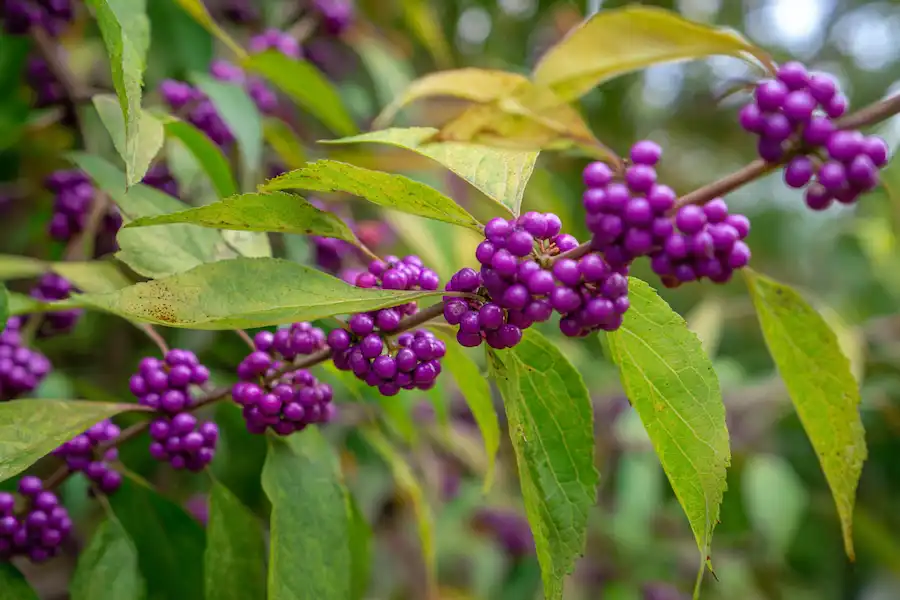
Ways to Use American Beautyberry
1. Eating the Berries Fresh
The ripe berries are safe to eat raw. Their flavor is mildly sweet with a subtle earthy note.
-
Enjoy them in small handfuls.
-
Add them to fruit salads for vibrant color.
-
Use as a garnish for desserts.
Beginner Tip: Only harvest fully ripe berries — deep purple and slightly soft. Avoid green, unripe fruit.
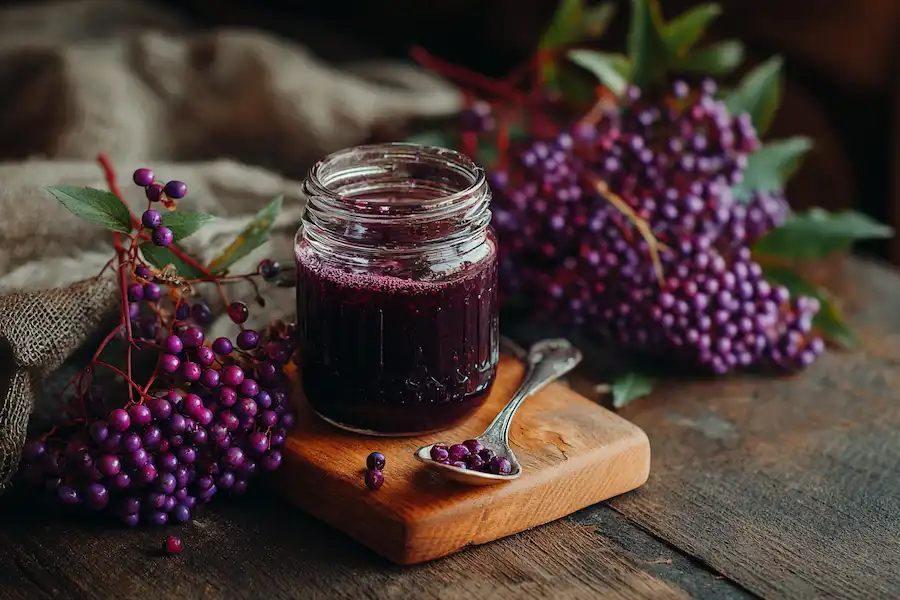
2. Beautyberry Jelly or Jam
This is one of the most popular culinary uses.
Basic method:
-
Combine berries, water, sugar, and lemon juice.
-
Simmer and mash gently.
-
Strain out seeds for a smoother texture.
-
Cook until thickened and pour into sterilized jars.
The finished jelly has a delicate flavor and a beautiful pink-purple hue.
3. Beautyberry Tea
Both leaves and berries can be used.
Preparation:
-
Rinse fresh or dried plant material.
-
Add to boiling water.
-
Simmer for 10–15 minutes.
-
Strain and serve warm.
Honey or a slice of lemon can enhance the taste. This tea is traditionally enjoyed for general wellness support.
4. Natural Insect Repellent
-
Crush fresh leaves and rub directly on exposed skin.
-
Or steep leaves in alcohol (such as vodka) for 1–2 weeks, strain, and pour into a spray bottle.
This homemade preparation has been used as a plant-based alternative to synthetic repellents.
5. Skin-Soothing Salve
-
Infuse dried leaves in a carrier oil (such as olive oil) for 2–4 weeks.
-
Strain the oil.
-
Warm gently and mix with melted beeswax.
-
Pour into small containers and allow to cool.
This balm can be applied to minor irritations and bug bites.
6. Decorative and Garden Uses
-
Plant shrubs along borders or woodland edges to attract birds.
-
Use berry stems in wreaths or seasonal table displays.
-
Combine with native plants to create a pollinator-friendly garden.
In landscaping, beautyberry provides year-round interest — green foliage in summer, delicate flowers in late spring, and dramatic berries in fall.
Safety Considerations
-
Consume berries in moderation; large quantities may cause mild digestive discomfort.
-
Avoid eating unripe berries.
-
Use leaves internally only with proper knowledge and preparation.
-
If you have plant sensitivities, test a small amount first.
-
Always positively identify wild plants before harvesting.
Final Thoughts
American Beautyberry is more than a visually stunning shrub — it is a plant rich in tradition, ecological value, and practical uses. From antioxidant-rich berries to natural insect-repelling leaves, it offers a gentle introduction to the world of edible and useful wild plants. Whether you’re making homemade jelly, brewing herbal tea, or simply planting it to support local wildlife, this native shrub brings both beauty and function to the landscape.