Anxiety disorders affect millions worldwide, yet they remain deeply misunderstood. Many people mistake anxiety for overthinking, stress, or emotional weakness—but clinical anxiety is a complex psychological condition influenced by brain chemistry, life experiences, and biological factors.
This article explains the psychological signs that people often misinterpret or overlook.
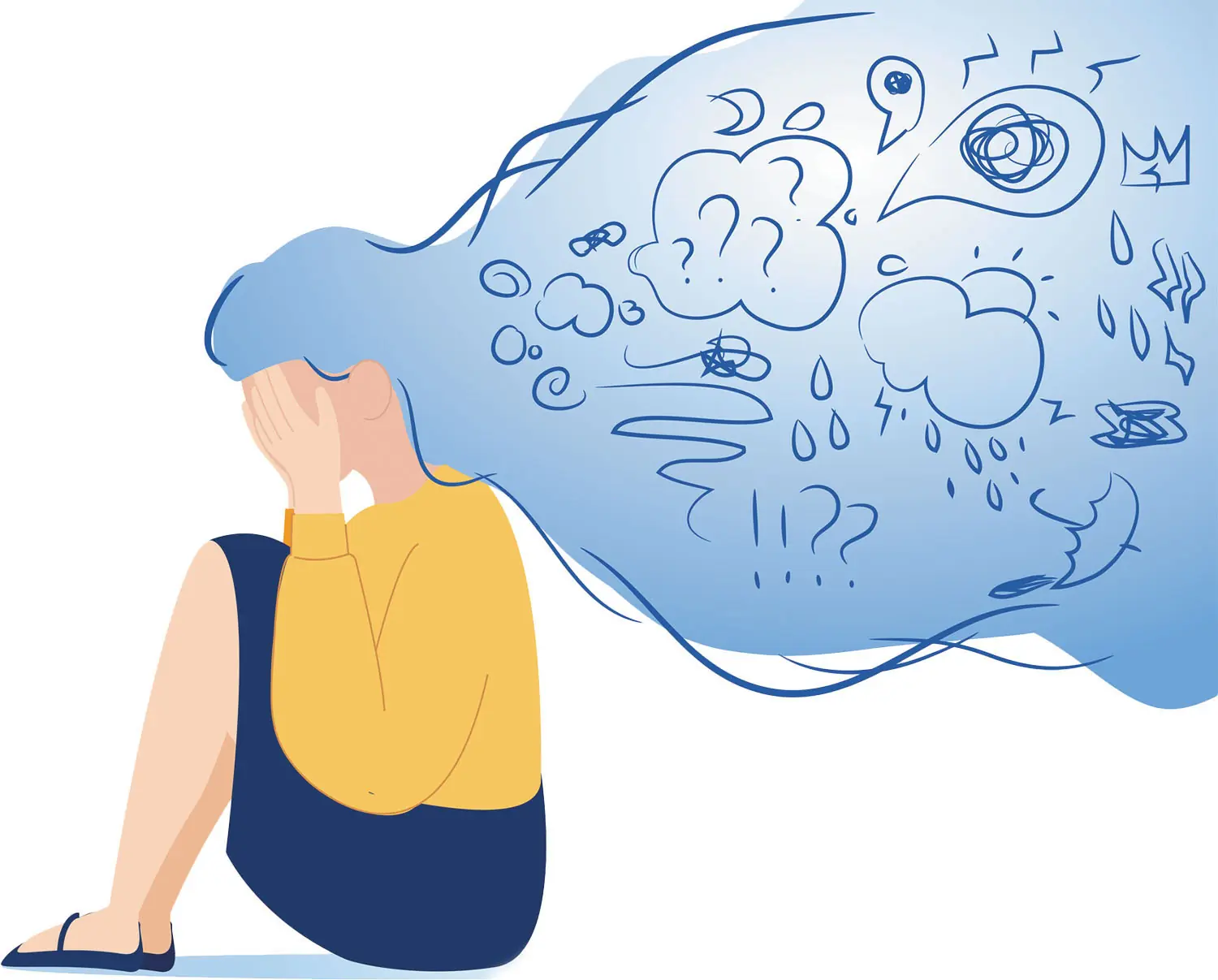
I. What Is an Anxiety Disorder?
Anxiety becomes a disorder when it persists longer than six months, interferes with daily life, or causes excessive fear, worry, or physical symptoms.
It includes:
II. Signs People Misunderstand
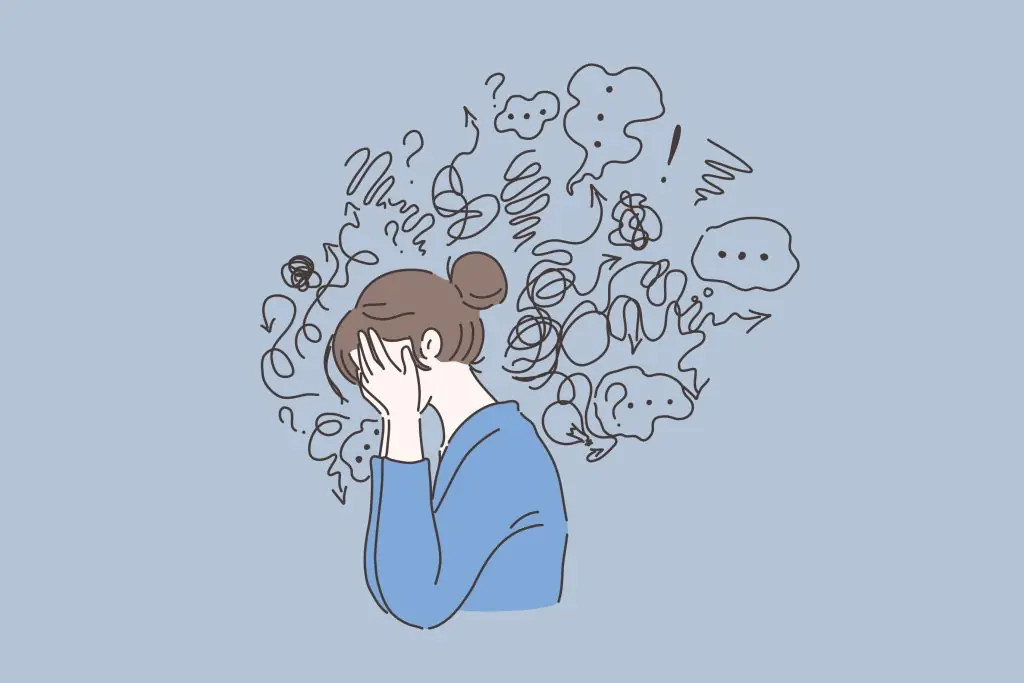
1. Overthinking That Feels Uncontrollable
Not normal stress — the mind loops fear-based scenarios constantly.
2. Physical Symptoms
People often misread them as medical issues:
-
Chest tightness
-
Rapid heartbeat
-
Dizziness
-
Stomach pain
-
Sweating
-
Cold hands
These stem from the nervous system staying in “fight or flight” mode.
3. Irritability or Easily Overwhelmed
Often seen as “bad temper,” but actually emotional overload.
4. Avoidance Behavior
Skipping events, canceling plans, or avoiding crowds is not laziness — it’s self-protection.
5. Perfectionism
Driven by fear of failure, not ambition.
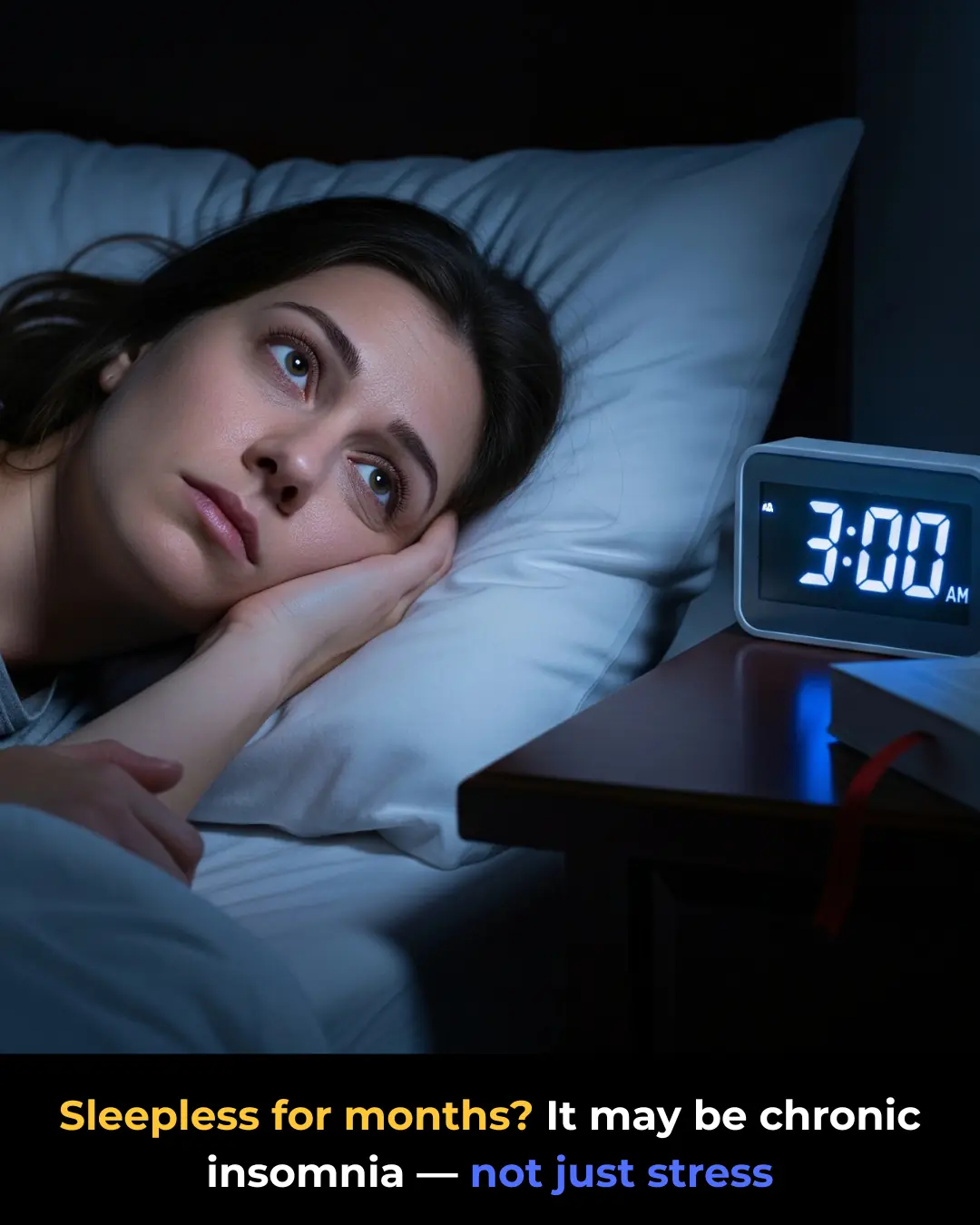
6. Insomnia
A restless mind makes sleep difficult.
7. Difficulty Concentrating
Often mistaken for ADHD; anxiety can shut down focus.
8. Feeling Detached (Derealization)
A coping mechanism when stress becomes too high.
III. Causes
IV. Treatment Options
1. Cognitive Behavioral Therapy (CBT)
Helps reprogram fear-based thinking patterns.
2. Medication
SSRIs and other medications can rebalance brain chemistry when necessary.
3. Lifestyle Improvements
-
Exercise
-
Mindfulness
-
Healthy diet
-
Sleep routines
-
Limiting caffeine
4. Journaling & Grounding Techniques
Helps calm the nervous system and break anxious cycles.