The 11 surprising baking soda uses that actually have science behind them
Health 08/12/2025 23:57
Hepatitis B is one of the most widespread and dangerous viral infections affecting the liver. Despite advancements in medicine, Hepatitis B remains a silent global threat—many infected people do not show symptoms for years, allowing liver inflammation to progress quietly into fibrosis, cirrhosis, or even liver cancer.
Understanding who is at highest risk and how to prevent the disease is essential. This article breaks down the key facts every individual, parent, and healthcare-conscious reader should know.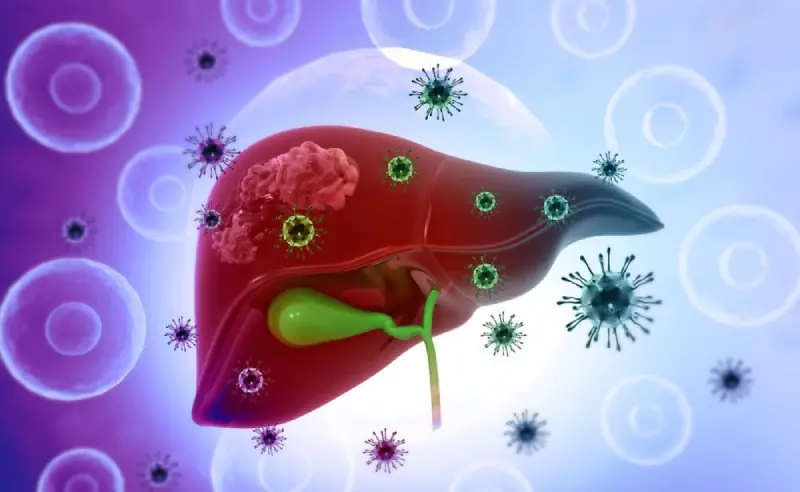
Hepatitis B is a viral infection caused by the Hepatitis B virus (HBV). It targets the liver, causing acute or chronic inflammation.
There are two types:
Acute infection: Short-term, may resolve on its own.
Chronic infection: Long-term, lasting more than 6 months; can lead to liver scarring, liver failure, or cancer.
The virus spreads when infected blood or bodily fluids enter another person’s bloodstream.
Although anyone can contract HBV, certain groups face significantly higher risk:
This group has the highest likelihood of developing chronic infection because their immune systems cannot fight the virus effectively.
Doctors, nurses, lab technicians, and emergency responders face constant exposure to blood and sharps injuries.
Sharing razors, toothbrushes, or even surfaces contaminated with blood increases risk.
HBV can be transmitted through sexual activity, especially when protection is not used.
Shared needles or syringes are one of the fastest transmission routes.
Frequent exposure to medical equipment raises the risk of transmission.
Areas such as parts of Asia, Africa, and the Pacific Islands have high rates of chronic HBV.
Many people never show signs. When symptoms appear, they may include:
Fatigue
Jaundice
Loss of appetite
Dark urine
Persistent nausea
Right upper abdominal pain
Chronic Hepatitis B often remains silent for decades.
Hepatitis B is almost entirely preventable. The following strategies are globally recommended:
The HBV vaccine is 95% effective.
Schedule:
✔ Birth dose
✔ Followed by 2–3 additional doses
Adults can vaccinate anytime.
Use condoms and avoid risky sexual behaviors.
Razors, clippers, toothbrushes, and needles should never be shared.
Ensure equipment is sterilized and licensed.
Early detection prevents mother-to-child transmission.
Blood tests include HBsAg, anti-HBs, and anti-HBc.
Seek medical advice if you:
Have been exposed to infected blood
Show signs of liver issues
Are pregnant (HBV screening is mandatory)
Have a family history of liver disease