The 11 surprising baking soda uses that actually have science behind them
Health 08/12/2025 23:57
Chronic bronchitis is a long-term inflammation of the bronchial tubes, the airways that carry air in and out of the lungs. Unlike acute bronchitis, which often follows a cold or flu, chronic bronchitis is persistent and recurring, lasting for at least three months a year for two consecutive years.
This condition is often associated with chronic obstructive pulmonary disease (COPD) and is common among smokers, older adults, or those exposed to air pollutants.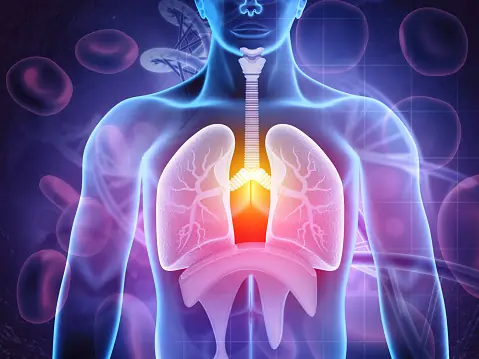
Tobacco smoke irritates and damages the lining of the airways, causing chronic inflammation and mucus overproduction.
Workers exposed to dust, fumes, or chemicals (miners, factory workers, farmers) have higher risk.
Repeated infections weaken airway resilience, causing long-term inflammation.
Some individuals have increased sensitivity to lung irritants.
Symptoms usually worsen over time:
Persistent cough (especially in the morning)
Thick mucus (white, yellow, or green)
Wheezing
Shortness of breath
Frequent chest infections
Fatigue
Chest tightness
Over years, the airways become increasingly narrow, making breathing difficult.
Untreated chronic bronchitis may lead to:
COPD
Respiratory failure
Pulmonary hypertension
Heart strain
Repeated pneumonia
Reduced quality of life
Prevention and early treatment are crucial.
The most effective treatment. Lung function begins to improve within weeks.
Moist air helps loosen mucus and reduce chest discomfort.
Water thins mucus, making it easier to cough up.
Pursed-lip breathing, diaphragmatic breathing, and light aerobic exercise improve lung capacity.
Ginger, honey, mint, and turmeric help soothe the airways.
Stay away from smoke, dust, cleaning chemicals, and outdoor pollution on high-index days.
Garlic, fruits high in vitamin C, leafy greens, and omega-3 can reduce inflammation.
Annual flu shots and pneumonia vaccines prevent severe respiratory infections.
Urgent care is needed if you experience:
Fever
Severe shortness of breath
Continuous wheezing
Chest pain
Signs of pneumonia
Doctors may prescribe inhalers, steroids, antibiotics (if infection is present), or pulmonary rehabilitation.