Why Does My Heart Hurt? Common Reasons For Heart or Chest Pain
Health 23/12/2025 13:33
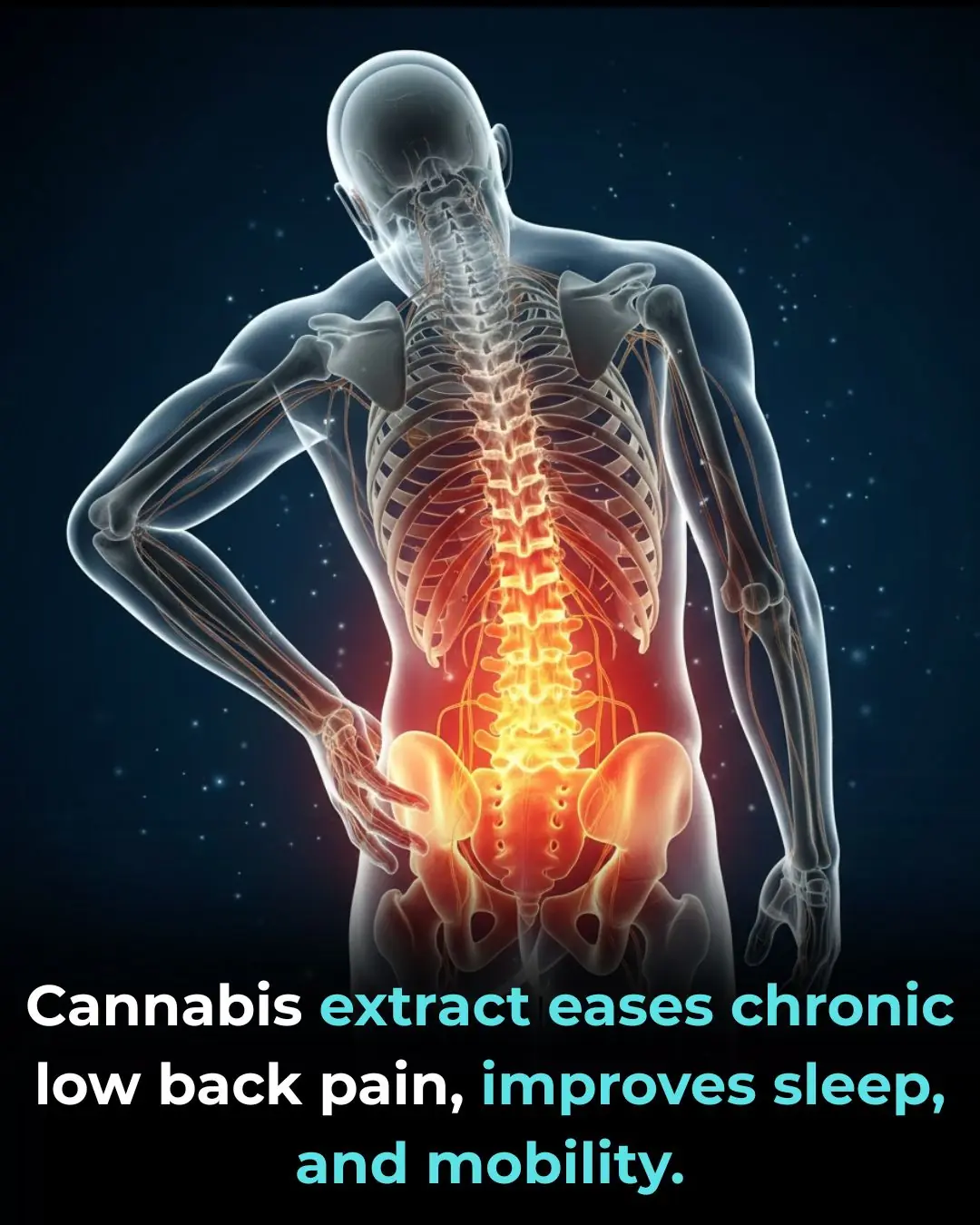
Chronic low back pain (CLBP) remains one of the most common and disabling medical conditions worldwide, affecting hundreds of millions of adults and imposing a substantial burden on healthcare systems. Despite the availability of pharmacologic and nonpharmacologic therapies, many patients continue to experience persistent pain, impaired mobility, and poor sleep. New phase 3 clinical trial data now suggest that a cannabis-based extract may offer meaningful relief for adults with CLBP—without serious side effects or signs of addiction—marking a potentially important advance in pain management.
CLBP is notoriously difficult to treat. Conventional options such as nonsteroidal anti-inflammatory drugs (NSAIDs), muscle relaxants, antidepressants, and opioids often provide limited benefit or are associated with significant risks. Long-term opioid use, in particular, carries the dangers of tolerance, dependence, and overdose, prompting clinicians to seek safer alternatives for chronic pain management.
Nonpharmacologic approaches—including physical therapy, exercise, and behavioral interventions—are essential components of care, yet many patients remain symptomatic despite these measures. As a result, interest has grown in therapies that can address pain while also improving sleep quality and physical function, two critical but often overlooked aspects of chronic pain.
The phase 3 study evaluated a standardized cannabis extract in adults diagnosed with chronic low back pain. Participants typically had long-standing symptoms that interfered with daily activities, sleep, and overall quality of life. The extract contained carefully controlled cannabinoid concentrations and was administered under medical supervision.
Key findings from the trial included:
Significant reductions in pain intensity, with many patients reporting clinically meaningful improvements
Improved sleep quality, including fewer nighttime awakenings and better overall rest
Enhanced physical function and mobility, allowing participants to engage more comfortably in daily activities
No serious adverse events, with side effects generally mild and transient
No evidence of addiction or problematic use, an important distinction from opioid-based therapies
These outcomes suggest that the cannabis extract provided multidimensional benefits, addressing not only pain but also functional and sleep-related impairments that commonly accompany CLBP.
Cannabis-based therapies interact with the body’s endocannabinoid system, which plays a role in pain modulation, inflammation, sleep regulation, and muscle tone. Cannabinoids such as tetrahydrocannabinol (THC) and cannabidiol (CBD) influence both central and peripheral pain pathways, potentially reducing pain perception while promoting relaxation and improved sleep.
Unlike opioids, cannabinoids do not directly suppress respiratory drive, and their mechanism of action differs fundamentally from that of traditional analgesics. This distinct pharmacology may explain why patients experienced pain relief without developing tolerance or dependence during the trial period.
Safety was a key focus of the phase 3 evaluation. Most reported side effects—such as mild dizziness, dry mouth, or fatigue—were manageable and tended to diminish over time. Importantly, there were no serious cardiovascular, neurologic, or psychiatric complications reported.
Equally notable was the absence of addiction signals. Participants did not demonstrate escalating dose requirements, compulsive use behaviors, or withdrawal symptoms upon discontinuation—an especially relevant finding given widespread concerns about substance use in chronic pain populations.
Sleep disturbance is both a cause and consequence of chronic pain. Poor sleep can amplify pain sensitivity, impair mood, and reduce physical resilience. The observed improvements in sleep quality suggest that cannabis extracts may help break this vicious cycle, enabling patients to recover more effectively and engage in rehabilitation or physical activity.
Enhanced mobility and functional capacity further underscore the potential of cannabis-based treatments to improve overall quality of life, not merely reduce pain scores.
These findings contribute to a growing body of evidence supporting the role of carefully formulated cannabis-based medicines in chronic pain care. While cannabis should not be viewed as a universal solution, the phase 3 data suggest it may serve as a viable, lower-risk option for selected patients with CLBP who have not responded adequately to standard therapies.
Clinicians emphasize that such treatments should be integrated into comprehensive pain management plans, including physical therapy, lifestyle modification, and ongoing clinical monitoring.
Despite encouraging results, researchers caution that longer-term studies are needed to assess sustained efficacy, safety, and functional outcomes over months or years. Additional research should also explore optimal dosing strategies, cannabinoid ratios, and patient characteristics that predict the best response.
Regulatory considerations and standardization of cannabis-derived products remain critical challenges, underscoring the importance of pharmaceutical-grade formulations tested in rigorous clinical trials.
The new phase 3 evidence suggests that a cannabis extract can significantly reduce pain while improving sleep and mobility in adults with chronic low back pain—without serious side effects or signs of addiction. As the medical community continues to search for safer and more effective chronic pain treatments, cannabis-based therapies may represent a meaningful addition to the therapeutic landscape.
If confirmed by further research and supported by regulatory frameworks, this approach could help reshape how chronic low back pain is managed, offering renewed hope to patients whose lives are limited by persistent pain.