Diverticulitis is a painful inflammatory condition that occurs when small pouches in the colon—called diverticula—become infected or swollen. While diverticulosis (the presence of diverticula) is common and often harmless, diverticulitis is a medical condition that requires attention. It can lead to severe abdominal pain, fever, digestive disturbances, and, in advanced cases, dangerous complications.
Understanding the early pain patterns, risk factors, and treatment options can help patients respond quickly and prevent the condition from worsening. This 1000-word guide explains everything adults need to know about diverticulitis and how to manage flare-ups safely.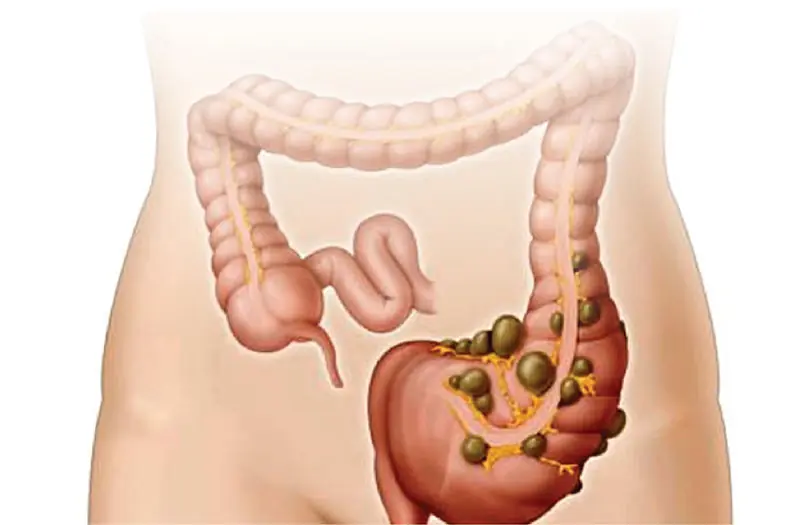
What Is Diverticulitis?
Diverticula are small, bulging pouches that form in weak areas of the colon wall. Most often, these develop in the sigmoid colon, the lower-left part of the abdomen. When these pouches become blocked with stool or bacteria, inflammation occurs, leading to diverticulitis.
Diverticulitis can be:
-
Uncomplicated: inflammation only
-
Complicated: includes abscesses, perforation, fistula, or bowel obstruction
Who Is at Risk?
Several factors increase the likelihood of developing diverticulitis:
-
Low-fiber diet
-
Chronic constipation
-
Sedentary lifestyle
-
Obesity
-
Smoking
-
Aging (risk rises sharply after 40)
-
Long-term use of NSAIDs
Early Pain Patterns to Watch
Recognizing the pain early is important because diverticulitis episodes often worsen quickly.
1. Lower Left Abdominal Pain
This is the hallmark symptom. The pain usually:
-
starts mild and becomes persistent
-
worsens with movement
-
may improve temporarily after passing stool or gas
2. Cramping and Tenderness
The affected area becomes tender to the touch. Many describe it as a “deep pressure” inside the abdomen.
3. Pain That Worsens After Meals
Inflamed diverticula struggle when the bowel is stimulated by food.
4. Pain Combined With Fever
This is a sign the inflammation may be turning into infection.
5. Radiating Pain
Occasionally, pain moves to the back or spreads across the abdomen when infection spreads.
Additional Symptoms of Diverticulitis
Along with pain, patients may experience:
-
nausea and vomiting
-
constipation (most common)
-
diarrhea (less common)
-
bloating
-
loss of appetite
-
feeling of incomplete bowel movement
Severe symptoms such as fever, chills, and sharp or worsening pain require immediate evaluation.
Complicated Diverticulitis: Signs to Know
While many cases are mild, some become life-threatening:
1. Abscess
A pocket of pus forms near the inflamed pouch. Symptoms include persistent fever and severe tenderness.
2. Perforation (Tear in Colon)
This can cause peritonitis — a medical emergency with sudden severe abdominal pain.
3. Fistula
An abnormal connection forms between the colon and bladder or other organs.
4. Bowel Obstruction
Inflammation blocks movement of stool.
These conditions require urgent medical or surgical treatment.
How Diverticulitis Is Diagnosed
Doctors may use:
-
CT scan — most accurate imaging
-
blood tests — check infection markers
-
abdominal exam — evaluate tenderness
Colonoscopy is usually avoided during an active flare due to risk of perforation.
Treatment Options
Treatment depends on the severity.
1. Mild (Uncomplicated) Cases
Usually treated at home with:
-
temporary clear-liquid diet
-
gradual reintroduction of low-fiber foods
-
rest
-
warm compresses
Antibiotics may be prescribed, though recent guidelines allow selective use depending on symptoms.
2. Moderate-to-Severe Cases
Require medical supervision with:
-
intravenous fluids
-
stronger antibiotics
-
pain management
3. Surgical Treatment
Surgery may be necessary for:
-
repeated flare-ups
-
perforation
-
abscesses not responding to drainage
-
bowel obstruction
-
fistula formation
The most common procedure is a sigmoid colectomy, where the affected section of the colon is removed.
Long-Term Prevention
Prevention focuses on lifestyle and digestive health:
High-Fiber Diet
Fiber softens stool and prevents pressure buildup. Good sources include:
-
oats
-
brown rice
-
vegetables
-
fruits
-
legumes
Regular Exercise
Activity improves bowel movement and reduces inflammation.
Hydration
Proper fluid intake supports smooth digestion.
Limit Red Meat and Processed Foods
These increase inflammation and constipation risk.
Healthy Weight Maintenance
Obesity strongly correlates with recurrence.
Avoid Smoking
Smoking increases colon complications and flare frequency.
When to Seek Medical Help
See a doctor immediately if you have:
-
severe abdominal pain
-
fever over 38.3°C
-
vomiting
-
rectal bleeding
-
inability to pass stool or gas
-
symptoms not improving within 24–48 hours
Conclusion
Diverticulitis is a common yet highly manageable condition when recognized early. Understanding the pain patterns—especially lower-left abdominal discomfort—helps individuals seek care before complications arise. With proper diet, lifestyle adjustment, and timely treatment, most people can prevent flare-ups and maintain a healthy digestive system.